
Esta semana vou falar de uma das minhas viagens preferidas. Sem dúvida, há viagens que nos marcam e esta foi uma delas, não só pela quantidade de locais maravilhosos que tive a oportunidade de ver, mas também pela duração da mesma.
O destino era visitar o Norte de Itália, mas até lá chegar… De Lisboa viajei até ao Porto, do Porto apanhei o avião até Lille. De Lille fomos dormir a Antuérpia, pois tenho lá família e a partir daí começou a verdadeira aventura.
Fiz esta viagem com a minha família de carro, sem qualquer hotel marcado, durante o mês de Agosto. Todos os dias visitámos um local novo. Visitei Bruxelas, Bruges, Ghent, Midelburgo, Reims, Lugano, Milão, Verona, Pádua, Veneza, Florença e Pisa.
Hoje vou dar enfâse ao Norte de Itália e ao que visitei, pois foi esse o principal objetivo desta viagem, assim como algumas dicas que possam ser úteis para vocês.
Sugestões do que ver num dia em cada local:
Verona
Verona foi uma cidade que me deixou bastante surpresa até porque não estava nos planos visitá-la. Aqui sem dúvida que tens de:
- Passear pela Piazza Bra, onde vais puder encontrar um arco com um relógio que pertencia à muralha da cidade.
- Ver a Arena de Verona, um anfiteatro romano, conhecido pelas monumentais produções de ópera que aí são apresentadas.
- Piazza Delle Erbe é considerada o coração de Verona. Originalmente um fórum romano, atualmente está rodeada de cafés e alguns dos edifícios mais luxuosos da cidade, incluindo o Palazzo Maffei. Na praça também se encontra o arco monumental conhecido como Arco da Costa.
- A Casa de Julieta, na Via Cappello, localizada no centro histórico da cidade, fica o atrativo principal da cidade. Neste local podes explorar as acomodações da Casa de Julieta. Além disso, dizem que se tocares no seio da estátua da Julieta que se encontra à entrada da casa, vais ter sorte no casamento. As paredes do local estão preenchidas de bilhetes amorosos de pessoas que por ali passaram.
- Ponte Scaligero (Ponte di Castelvecchio), um dos mais belos postais. É também considerada a obra mais ousada e admirável da Idade Média da cidade.
Florença
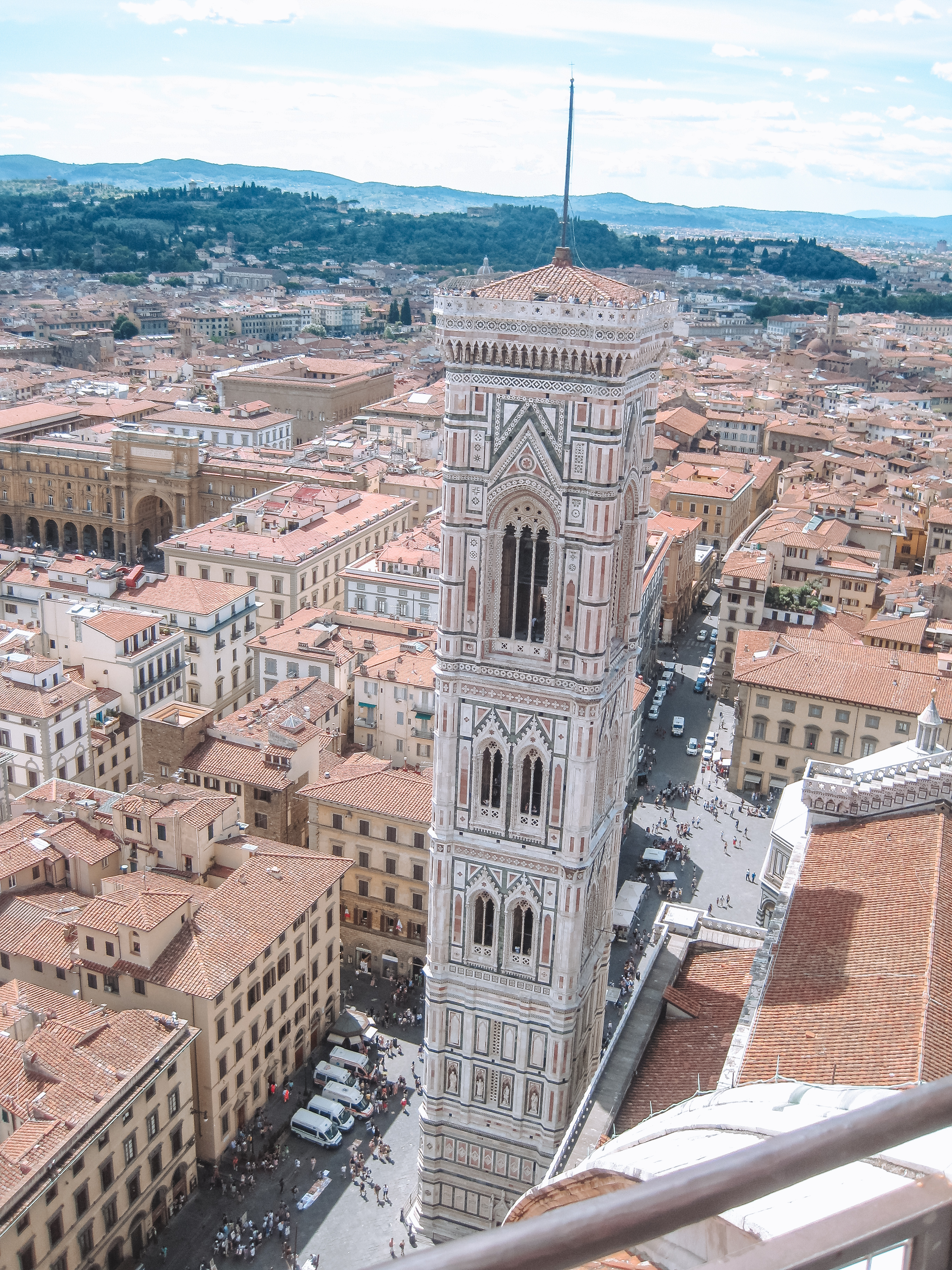
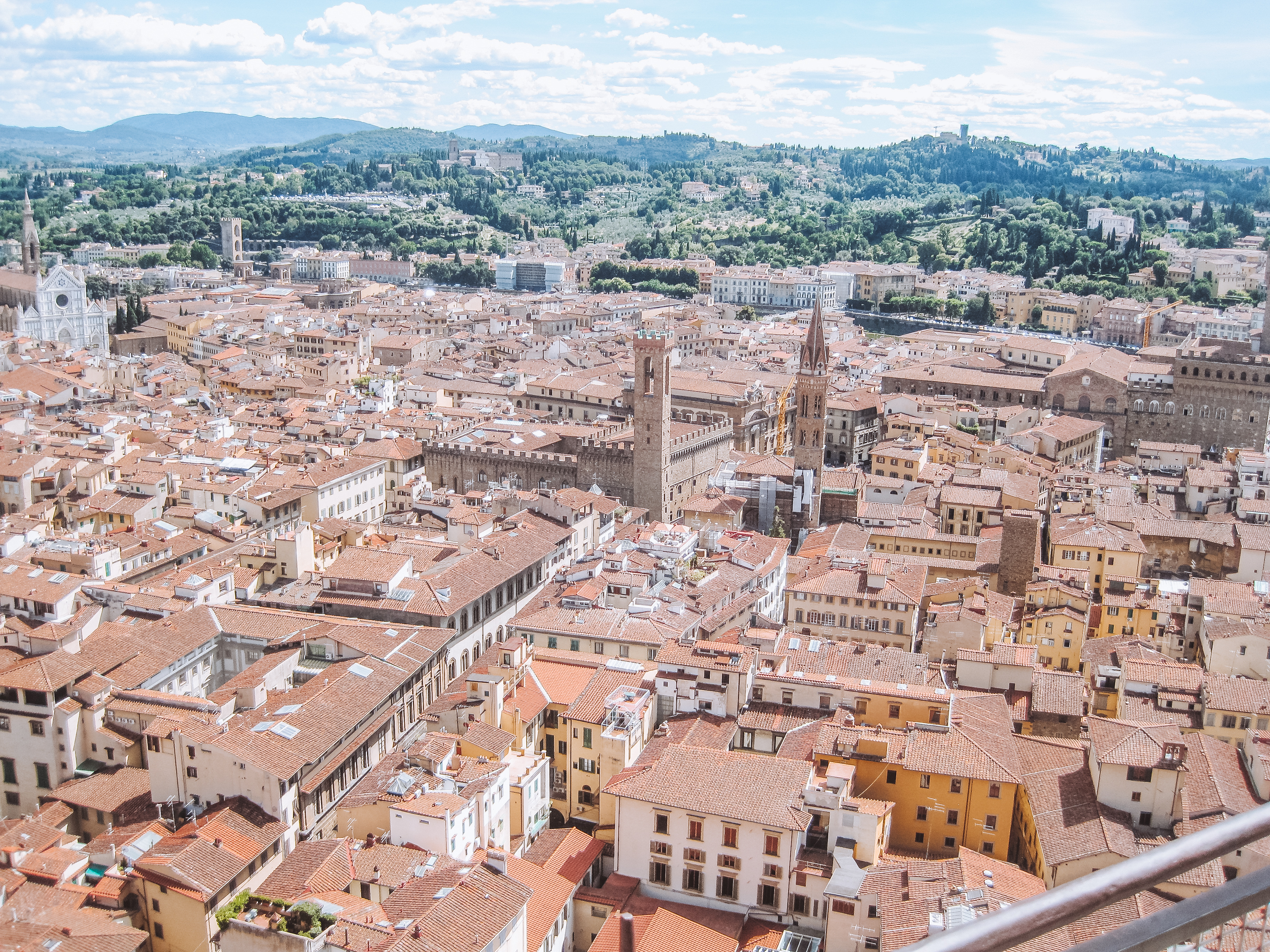
- Catedral Santa Maria Del Fiore, Duomo, é um dos símbolos de Florença. Se não sofres de claustrofobia, de ataques de pânico ou de vertigens, lanço-te o desafio de subir à cúpula onde vais ter a oportunidade de apreciar uma vista inesquecível da cidade e das colinas em redor.
- Ponte Vecchio, é o símbolo do romantismo que inunda a cidade. As origens da ponte remontam o ano de 1345, o que faz dela a ponte de pedra mais antiga da Europa. Aqui vais ter a oportunidade de ver as várias lojas que foram ocupadas por joalheiros e ourives.
- David, o símbolo de Florença e uma obra-prima da arte italiana, a obra original esculpida pelas mãos do verdadeiro Michelangelo está na Galleria dell’Accademia. No entanto existem mais duas réplicas – uma na entrada da Galeria e outra e na Piazzale Michelangelo.
- Piazza San Giovanni, está localizada em frente ao Duomo, onde vais apreciar a fachada da catedral de Florença.
- Piazzale Michelangelo, aqui vais ter a oportunidade de ver a vista mais impressionante de Florença.
Milão
- Praça do Duomo é a praça principal Milão. Aqui está localizada a famosa catedral e grande parte dos pontos turísticos da cidade. Em frente ao Duomo, há uma estátua em homenagem ao Vittorio Emanuelle II.
- Galleria Vittorio Emanuele II é uma elegante arcada de compras do século XIX. Aqui vais encontrar algumas das boutiques mais luxuosas de Milão e restaurantes. Na cúpula central vais ter a oportunidade de ver um mosaico deslumbrante que representa os diferentes continentes.
- Via Dante, é uma das ruas mais importantes e elegantes de Milão.
- Castelo Sforzesco, um dos monumentos mais importantes de Milão. Este castelo é um símbolo dos momentos históricos, tristes e felizes da cidade. Com o tempo foi demolido, reconstruído, restaurado, funcionou como casa e fortaleza.
- A Última Ceia do Leonardo da Vinci está no seu lugar original, na parede da sala de jantar do antigo convento dominicano de Santa Maria delle Grazie e é uma das obras de arte mais célebres e conhecidas no mundo.
Pádua
- Basilica Pontificia di Sant’Antonio di Padova, é a igreja mais importante da cidade e uma das maiores e mais visitadas no mundo. Santo António nasceu e viveu em Lisboa e morreu a 13 de junho de 1231, em Arcella, perto de Pádua, e é por essa razão que 13 de junho passou a ser o Dia de Santo António. No ano seguinte, a cidade de Pádua decidiu edificar uma Basílica em sua honra. Existe uma grande rivalidade entre Lisboa e Pádua relativamente a evocarem o santo como o símbolo único de cada uma destas cidades.
- Cappella degli Scrovegni, é uma capela que contém uma das maiores obras-primas da história da pintura italiana e europeia do século XIV. É considerada a série mais completa de frescos pintados por Giotto.
- Giardini dell’Arena, é um conjunto de jardins famosos por um anfiteatro romano e pela capela “Cappella degli Scrovegni”. Várias são as antigas estruturas e exposições florais decoram o parque.
- Pratto della Valle, aqui vais encontrar um canal elíptico artificial que rodeia uma ilha, chamada Isola Memmia em homenagem a quem a criou. Nas margens deste canal, vais encontrar um total de 78 estátuas (40 na margem interna, 38 na externa) que representam figuras famosas ligadas a Pádua, tais como artistas, estudiosos, guerreiros, e antigos líderes da cidade.
- Piazza del Duomo, aqui vais ter acesso a um complexo histórico e arquitetonicamente significativo de importantes edifícios eclesiásticos.
- Piazza dei Signori, uma das praças mais importantes de Pádua, tem sido um local de festividades municipais e eventos ao ar livre desde a Idade Média. Está rodeada por edifícios históricos de diferentes épocas. É possível ver os restos de decorações góticas e renascentistas.
Veneza
- Piazza San Marco, é a praça que concentra inúmeros atrativos turísticos.
Aqui vais encontrar a Catedral de São Marco, imponente e exótica, que chama a atenção de qualquer pessoa. Hoje, é umas das principais igrejas de Veneza, considerada uma obra prima da arte bizantina.
A Torre do Relógio de S. Marcos é um dos prédios mais bonitos da cidade, devido ao seu relógio que é considerado uma obra-prima da tecnologia e engenharia e tem duas estátuas, o Leão de São Marcos e a Virgem Maria com o Menino Jesus.
O Campanile de San Marcos é o campanário da Basílica de São Marcos. Com 98,5 metros de altura, é o edifício mais alto da cidade e oferece uma bela vista de Veneza. A torre original servia como farol para os navegantes, além de ser um campanário. Depois de várias restaurações, adquiriu sua forma atual em 1515.
O Palácio Ducal (Palazzo Ducale) também chamado de Doge’s Palace (Palácio do duque) é um símbolo da cidade de Veneza e uma obra-prima do gótico veneziano.
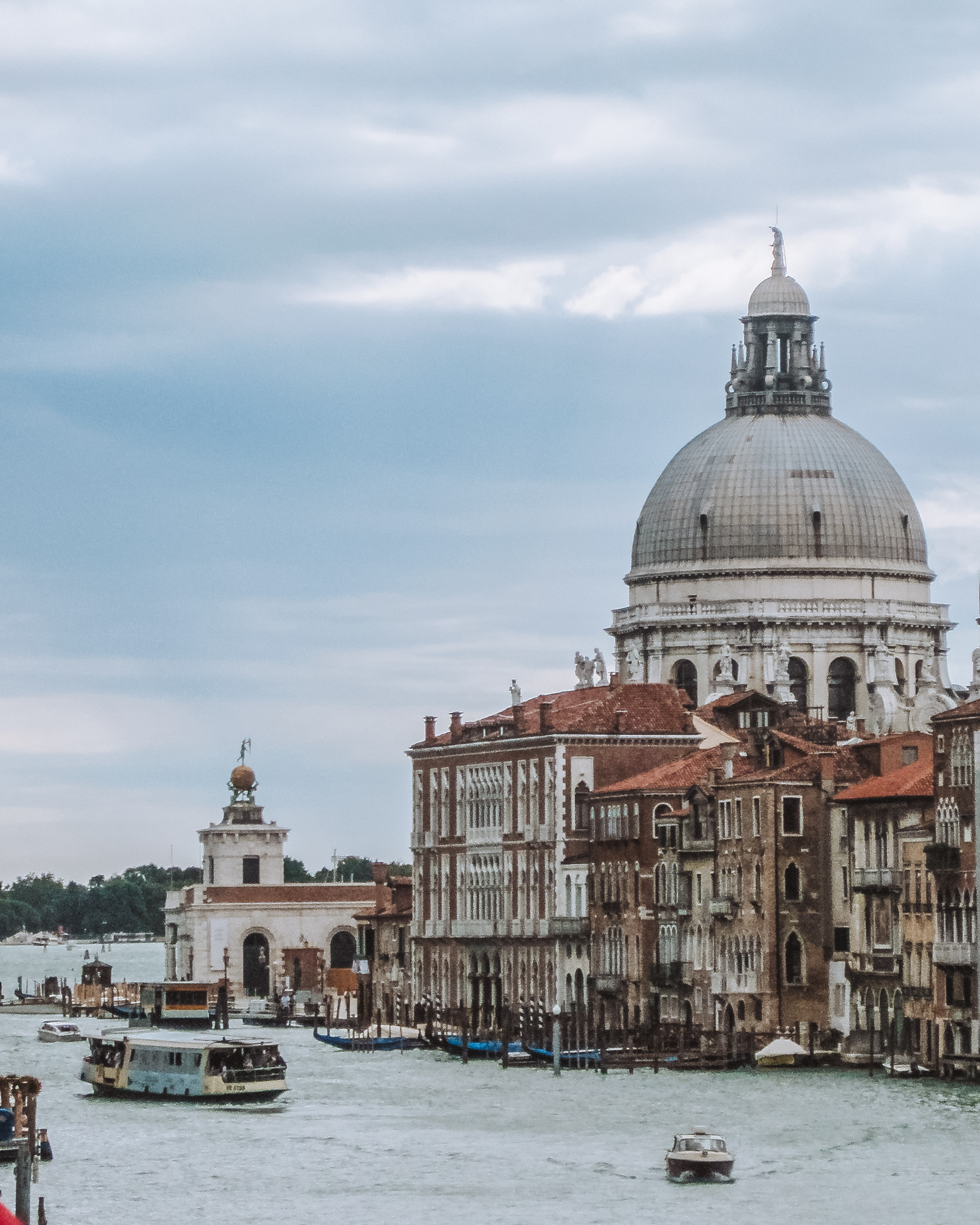
- Canal Grande é o maior e mais importante de todos os canais de Veneza com 4 km de comprimento percorrem Veneza dividindo a cidade em duas partes. Liga a Piazza San Marco, a Ponte Rialto e os pontos de chegada da cidade.
- Ponte Rialto, o monumento é um dos principais cartões postais de Veneza, juntamente com a Ponte dos Suspiros e a Praça São Marcos.
- Ponte dos Suspiros (Ponte dei Sospiri), construída no início do século XVII, entre 1600 e 1602, servia de ligação entre o Palácio dos Doges, com salas de interrogatório e as chamadas velhas prisões e as novas prisões. Existem duas histórias em relação a esta ponte, uma é que quando os reclusos eram levados para as respetivas celas soltavam um suspiro ao olhar pela última vez para a paisagem de Veneza e o mundo exterior, através das minúsculas janelas da ponte. Outra história é que se um casal der um beijo no exato momento em que atravessa a ponte de gôndola, na altura do pôr-do-sol, o seu amor durará para sempre.
Pisa
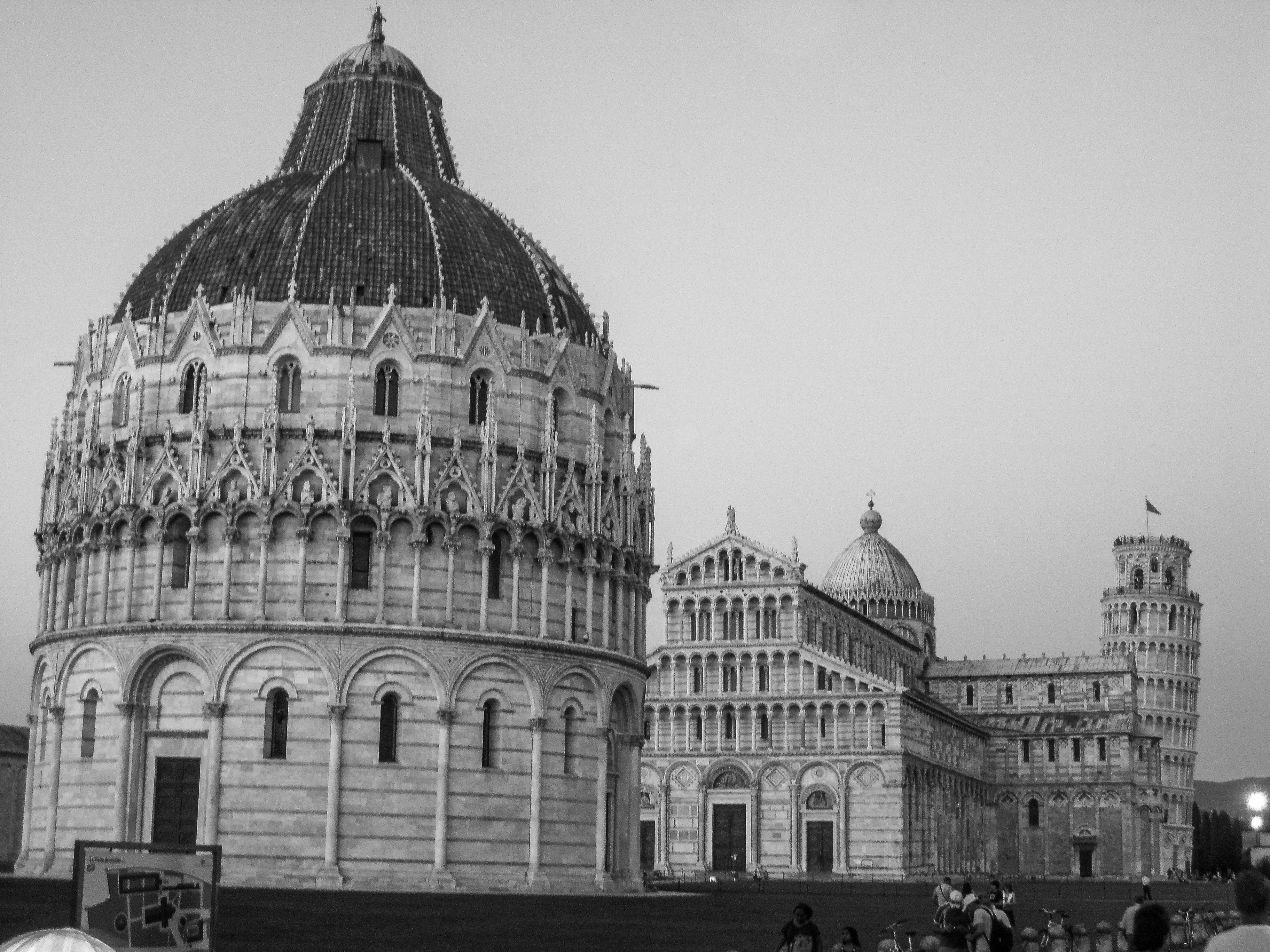
Os monumentos mais famosos da cidade concentram-se na Piazza dei Miracoli, Praça dos Milagres. Este complexo arquitetónico foi declarado Património da Humanidade pela UNESCO em 1987. Aqui vais ter oportunidade de ver os três monumentos religiosos mais importantes da cidade: o campanário, conhecido como a Torre Inclinada, a catedral ou Duomo e o Batistério.
Dicas
- Se fores no Verão leva roupa fresca, pois em Itália as temperaturas são muito elevadas.
- Leva um calçado confortável.
- Não te esqueças que Itália é um país católico e por isso deves de ter em atenção que podes ser barrado(a) à entrada das Igrejas caso tenhas saias ou calções muito curtos e ombros à mostra. Contudo há sempre alguém à entrada das Igrejas a vender écharpes.
Espero que tenham gostado!
Com muito amor,
Sofia Gomes






This week I’m going to talk about one of my favourite trips. Without a doubt, some trips mark us, and this was one of them, not only for the number of wonderful places I had the opportunity to see but also for its duration.
The destination was Northern Italy, but to get there. From Lisbon, I travelled to Porto, from Porto, I took the plane to Lille. From Lille, we went to sleep in Antwerp because I have family there, and from there, the real adventure began.
I made this trip with my family by car, without any hotel booking, during August. Every day we visited a new place. I visited Brussels, Bruges, Ghent, Midelburg, Reims, Lugano, Milan, Verona, Padua, Venice, Florence and Pisa.
Today I will emphasise Northern Italy and what I visited because that was the main goal of this trip.
Suggestions of what to see in a day at each location:
Verona
Verona was a city that left me quite surprised even because it was not my plans to visit it. Here you have to:
- Stroll through Piazza Bra, where you will be able to find an arch with a clock that belonged to the city wall.
- See the Arena of Verona, a Roman amphitheatre known for the monumental opera productions presented there.
- Piazza Delle Erbe is considered the heart of Verona. Originally a Roman forum, it is now surrounded by cafes and some of the city’s most luxurious buildings, including Palazzo Maffei. The square is also home to the monumental arch known as the Coastal Arch.
- The city’s main attraction is Juliet’s House, on Via Cappello, located in the city’s historic centre. Here you can explore the accommodations of Juliet’s House. Besides, if you touch the breast of Juliet’s statue that stands at the house entrance, you will be lucky in marriage. The walls of the place are filled with love notes from people who have passed through there.
- Ponte Scaligero (Ponte di Castelvecchio), one of the most beautiful postcards. It is also considered the most daring and admirable work of the Middle Ages in the city.
Florence
- Cathedral Santa Maria Del Fiore, Duomo, is one of the symbols of Florence. Suppose you don’t have claustrophobia, panic attacks or vertigo. In that case, I challenge you to climb the dome where you will have the opportunity to enjoy an unforgettable view of the city and the surrounding hills.
- Ponte Vecchio is the symbol of the romanticism that floods the city. The origins of the bridge date back to 1345, making it the oldest stone bridge in Europe. Here you will have the opportunity to see the various stores that jewellers and goldsmiths once occupied.
- David, The Symbol of Florence and a masterpiece of Italian art, the original work carved by the real Michelangelo’s hands is in the Galleria dell’Accademia. However, there are two more replicas – one at the Galleria entrance and another and in Piazzale Michelangelo.
- Piazza San Giovanni is in front of the Duomo, where you will appreciate Florence’s cathedral facade.
- Piazzale Michelangelo is where you will have the opportunity to see the most impressive view of Florence.
Milan
- Duomo Square is Milan’s main square. Here is located the famous cathedral and most of the sights of the city. In front of the Duomo, there is a statue in honour of Vittorio Emanuelle II.
- Galleria Vittorio Emanuele II is an elegant 19th-century shopping arcade. Here you will find some of Milan’s most luxurious boutiques and restaurants. In the central dome, you will have the opportunity to see a stunning mosaic representing the different continents.
- Via Dante is one of the most important and elegant streets in Milan.
- Sforzesco Castle is one of the most important monuments in Milan. This castle is a symbol of the historical, sad and happy moments of the city. Over time it was demolished, rebuilt, restored, functioned as a house and a fortress.
- Leonardo da Vinci’s Last Supper is in its original place, on the wall of the dining room of the former Dominican convent of Santa Maria Delle Grazie and is one of the most famous and well-known works of art in the world.
Padua
- Basilica Pontificia di Sant’Antonio di Padova is the most important church in the city and one of the world’s largest and most visited. Saint Anthony was born and lived in Lisbon and died on June 13, 1231, in Arcella, near Padua, and that is why June 13 became Saint Anthony’s Day. The following year the city of Padua decided to build a Basilica in his honour. There is a great rivalry between Lisbon and Padua regarding evoking the saint as a unique symbol.
- Cappella Degli Scrovegni is a chapel containing one of the greatest masterpieces in the history of Italian and European painting of the 14th century. It has a series of frescoes painted by Giotto.
- Giardini dell’Arena, is a set of gardens famous for a Roman amphitheater and the chapel “Cappella degli Scrovegni”. Several are the ancient structures, and floral displays decorate the park.
- Prato Della Valle, here you will find an artificial elliptical canal surrounding an island called Isola Memmia in honour of the person who created it. On the banks of this canal, you will find a total of 78 statues (40 on the inner bank, 38 on the outer bank) representing famous figures connected to Padua, such as artists, scholars, warriors, and former leaders of the city.
- Piazza del Duomo is where you will access a historically and architecturally significant complex of important ecclesiastical buildings.
- Piazza Dei Signori, one of Padua’s most important squares, has been a municipal festivities and outdoor events since the Middle Ages. It is surrounded by historical buildings from different eras where you can see Gothic and Renaissance decorations’ remains.
Venice
- Piazza San Marco is a square that concentrates on numerous tourist attractions.
Here you will find the Cathedral of San Marco, imposing and exotic, which draws anyone’s attention. Today it is one of the main churches in Venice, considered a masterpiece of Byzantine art.
The Clock Tower of San Marco is one of the most beautiful buildings in the city, due to its clock that is considered a masterpiece of technology and engineering and has two statues, the Lion of San Marco and the Virgin Mary with the Baby Jesus.
The Campanile di San Marcos is the belfry of St. Mark’s Basilica. At 98.5 meters high, it is the tallest building in the city and offers a beautiful Venice view. The original tower served as a beacon for sailors, as well as being a belfry. After several restorations, it acquired its present form in 1515.
The Ducal Palace (Palazzo Ducale), also called Doge’s Palace (Duke’s Palace), is a symbol of Venice’s city and a Venetian Gothic masterpiece.
- Grand Canal is the largest and most important of all Venice’s canals. It is 4 km long and runs through Venice, dividing the city into two parts. It connects Piazza San Marco, the Rialto Bridge and the city’s arrival points.
- Rialto Bridge, the monument, is one of Venice’s main postcards, along with the Bridge of Sighs and St. Mark’s Square.
- Bridge of Sighs (Ponte Dei Sospiri), built in the early 17th century, between 1600 and 1602, served as a connection between the Doge’s Palace, interrogation rooms and the so-called old prisons and the new prisons. There are two legends about this bridge. When prisoners went to their cells, they would let out a sigh as they would take one last look at the Venetian landscape. Another story is that if a couple kisses just as they cross the gondola bridge at sunset, their love will last forever.
Pisa
The city’s most famous monuments are in Piazza Dei Miracoli, Miracle Square. This architectural complex was declared a World Heritage Site by UNESCO in 1987. Here you will have the opportunity to see the three most important religious monuments of the city: the belfry, known as the Leaning Tower, the cathedral or Duomo and the Baptistery.
Tips
- If you go in the summer take cool clothes, the temperatures are very high in Italy.
- Wear comfortable shoes.
- Don’t forget that Italy is a catholic country, so you should be aware that you can be stopped by the security when entering a church if you are wearing very short skirts or shorts and your shoulders are showing. However, there is always someone at the entrance of the church selling scarves.
Enjoy
xx
 photobookbysofia.com