Países Baixos: Roteiro

Estás pronto/a para descobrir Países Baixos? Neste artigo vou falar sobre as cidades que deves visitar e os roteiros que deves fazer, sobre a comida típica que não vais querer perder, assim como, os custos de viagens e ainda algumas dicas/ curiosidades.

Quando pensas nos Países Baixos qual é a primeira coisa que te vem à cabeça?

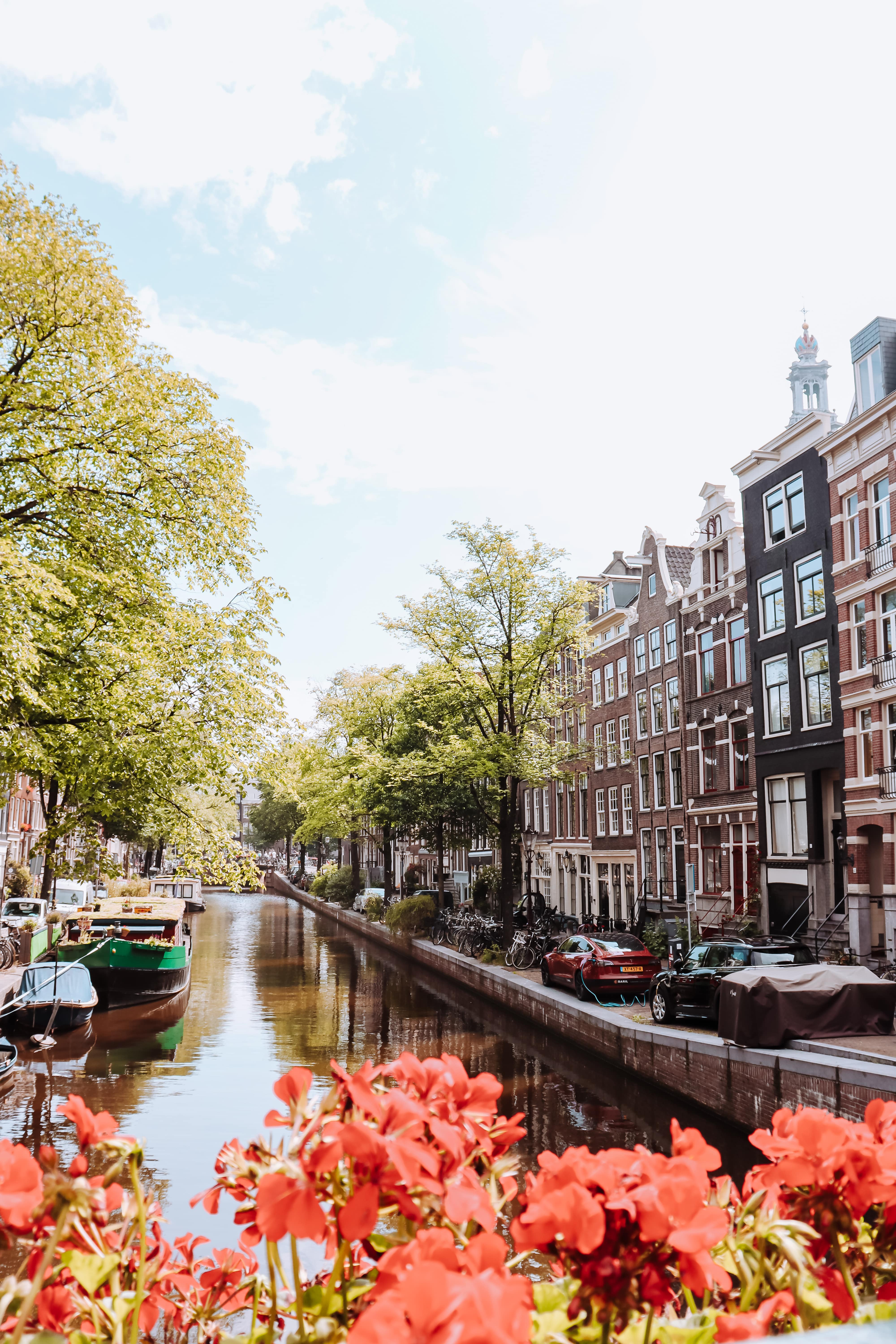
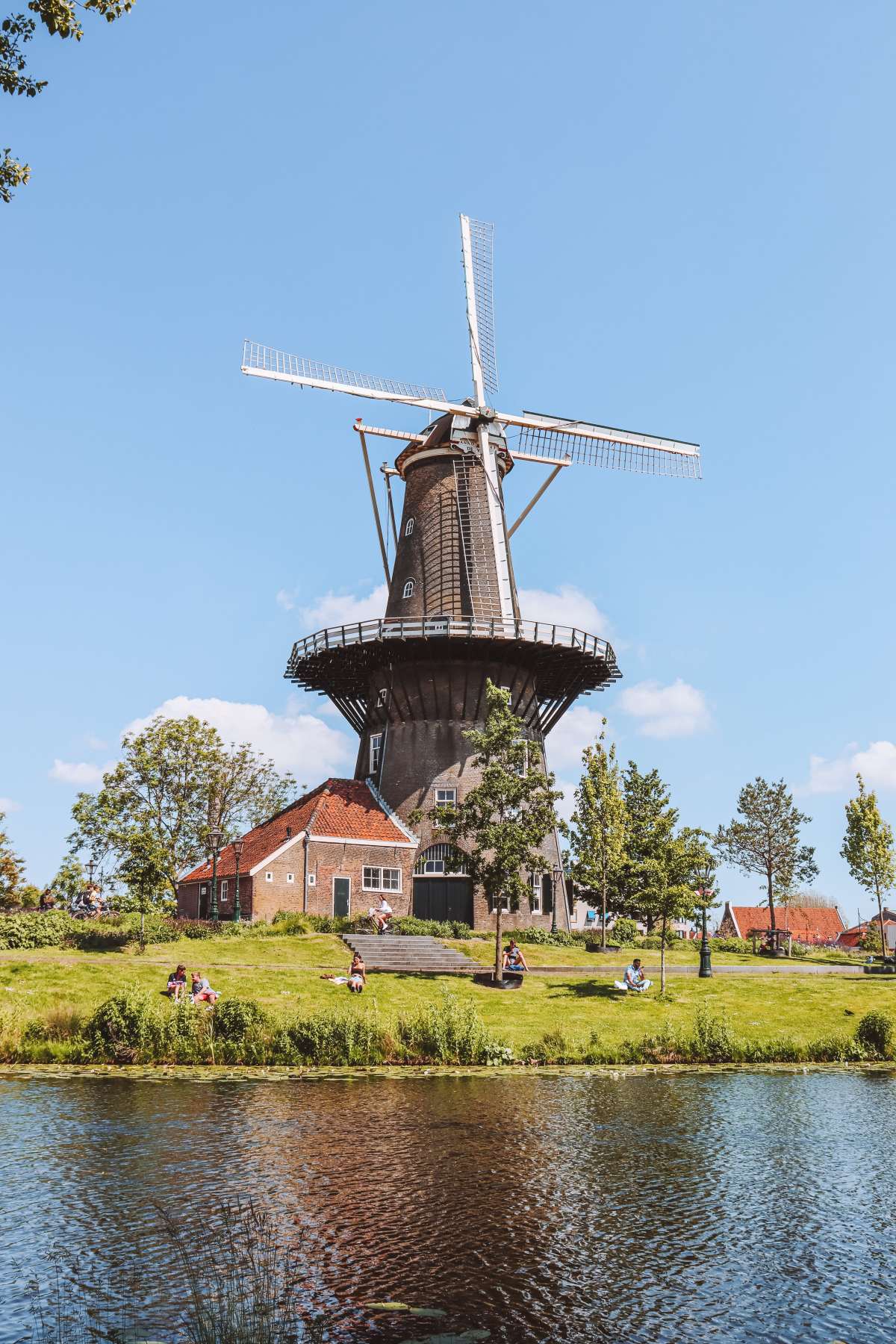
Talvez uma das tuas primeiras respostas vai ser: os canais, os moinhos, os tamancos, as flores, a cidade de Amesterdão e o consumo de substâncias que não são permitidas nos outros países. Contudo, com este artigo vou mostrar-te que há muito mais para além destas respostas.

Estás pronto/a para partir nesta aventura à descoberta dos Países Baixos? Neste artigo vou falar sobre as cidades que deves visitar e os roteiros que deves fazer, vou também falar sobre a comida típica que não vais querer perder, assim como, os custos de viagens e ainda algumas dicas/ curiosidades.

*neste artigo todas as informações de custos de viagens que vou dar tiveram quase sempre a partida da estação de Leiden Centraal, pois foi a cidade onde fiquei hospedada.

Cidades a visitar

LEIDEN

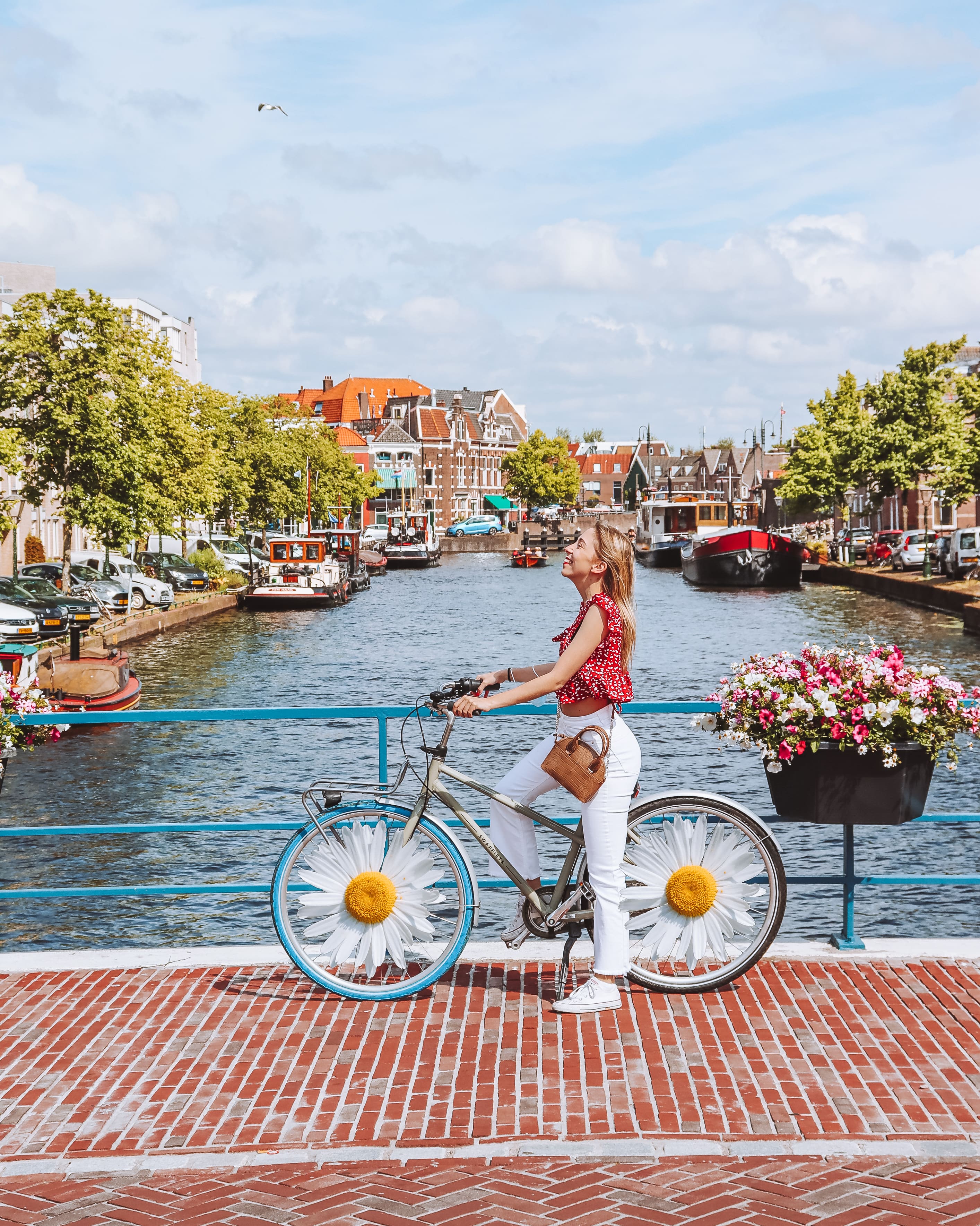
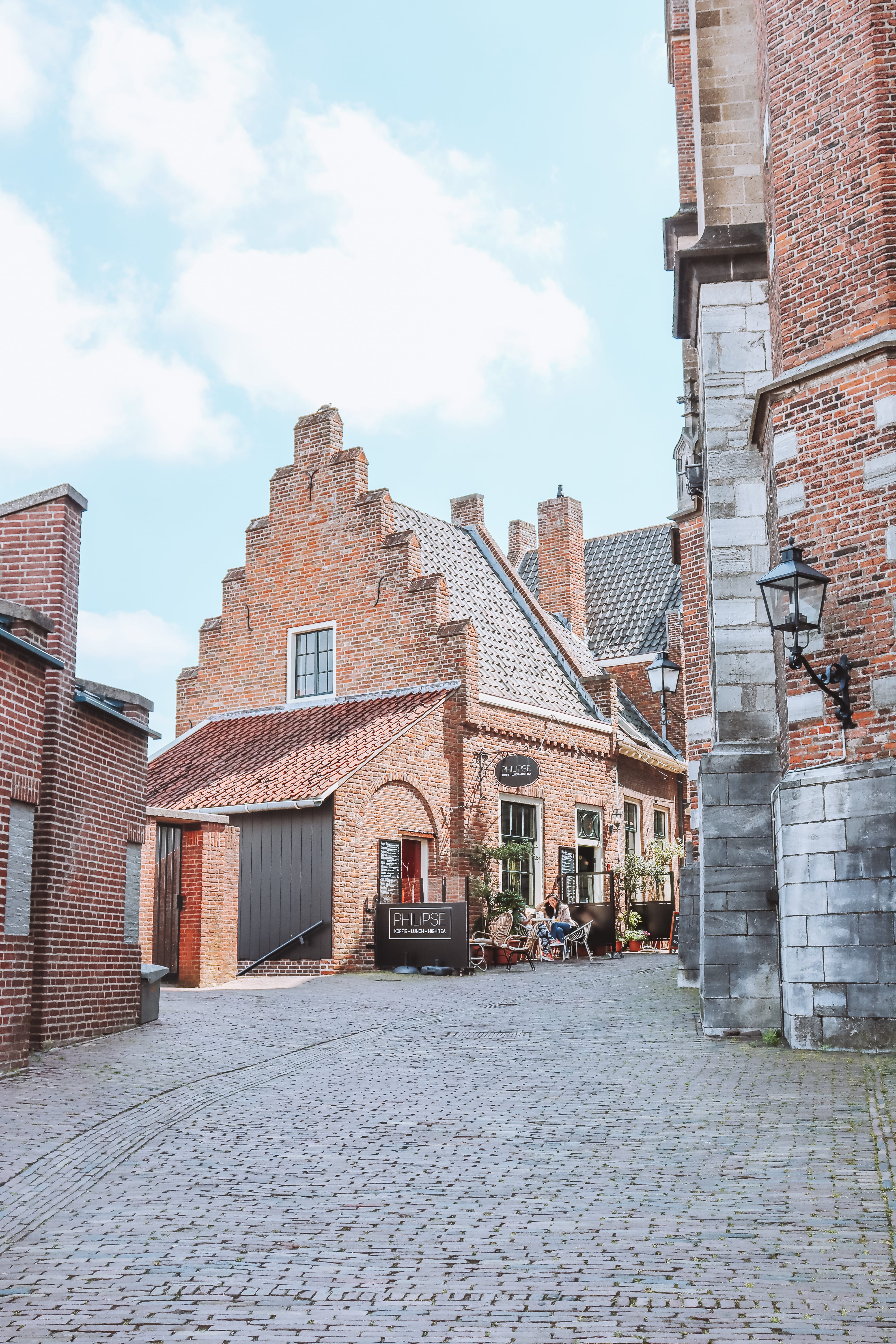
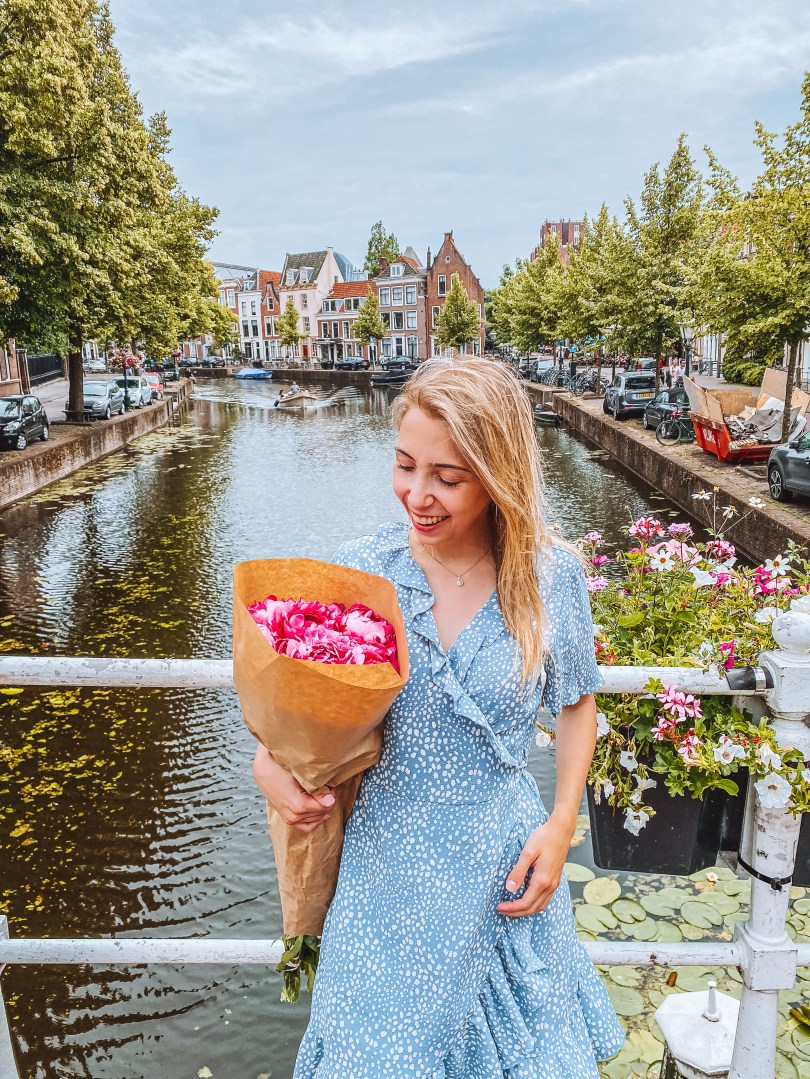
Apenas a 15 minutos de comboio do Aeroporto de Amsterdam Schipol, Leiden é a cidade ideal se queres fugir da confusão de Amesterdão. Aqui vais ter a oportunidade de ver um dos centros históricos mais bem preservados e ficar hospedado/a na cidade universitária mais antiga dos Países Baixos.

A cidade tem um ambiente muito seguro, juvenil, com muitos bares com terraços em cima dos canais e as casas, que parecem autênticas casas de bonecas. Um dos destaques de Leiden é o Pieterskerk e os mais de 120 poemas que se encontram escritos pelas ruas da cidade, que abordam diferentes temáticas e que estão escritos em diferentes idiomas.

O que visitar?

Clica aqui para acederes ao roteiro que preparei para ti.

Transporte e duração da viagem

Amsterdam Schipol – Leiden Centraal ou Leiden Centraal – Amsterdam Schipol:

  • Preço Ida: 6.40€  (comprar online – ida: 5.40€)
  • Duração: 15 minutos

DEN HAG

Haia é um dos segredos mais bem guardados dos Países Baixos.

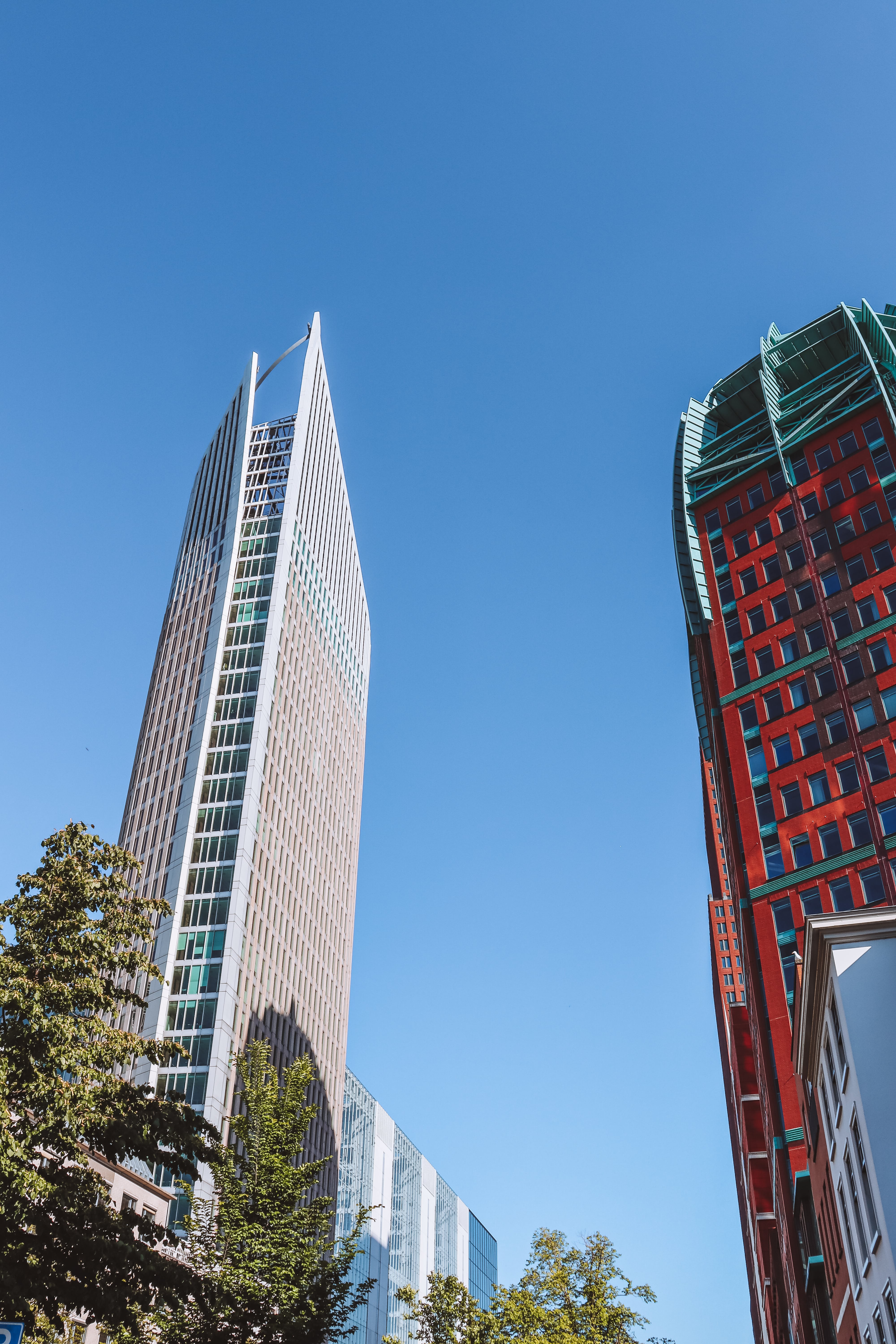
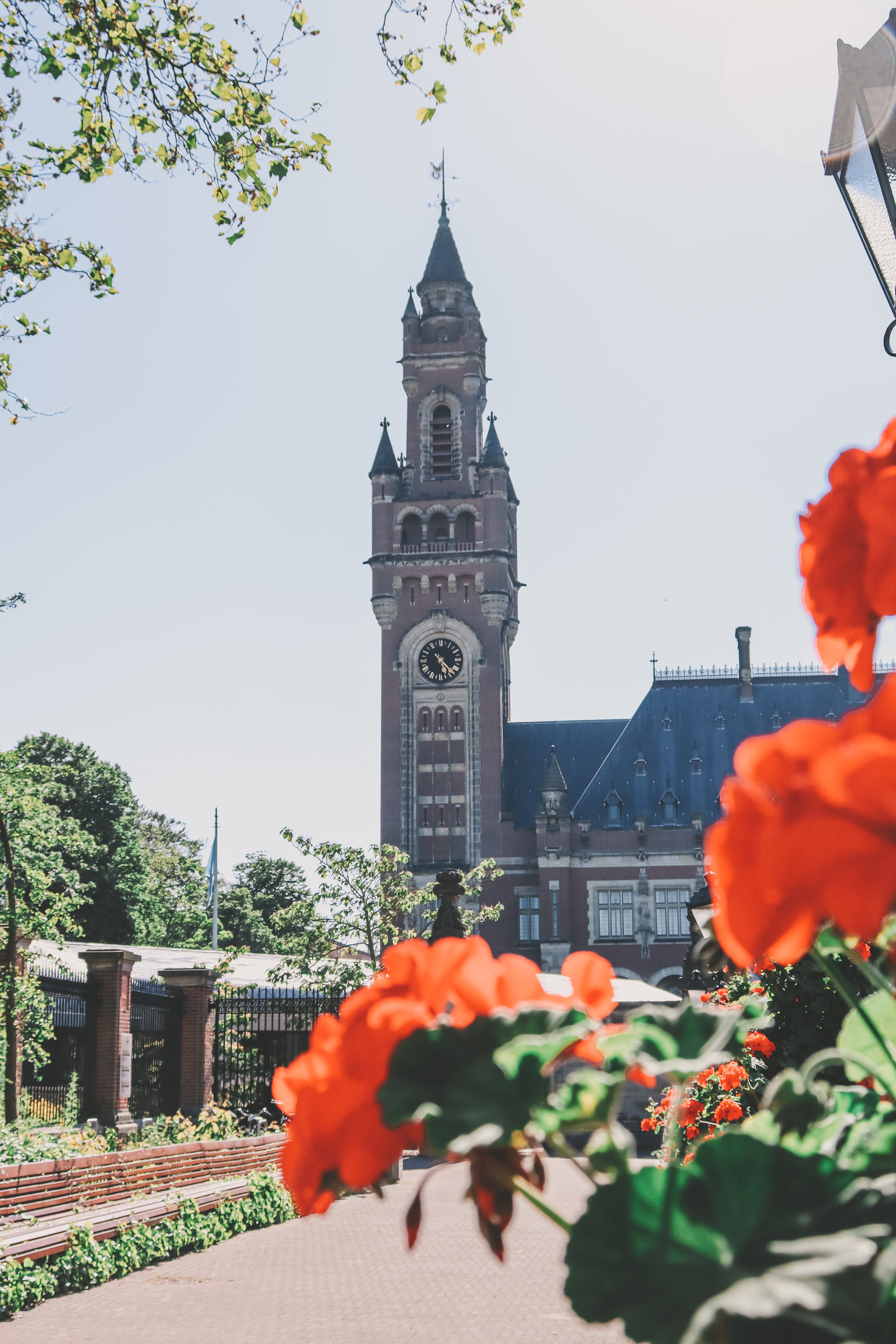
Considerada a cidade com o maior número de locais históricos por metro quadrado dos Países Baixos, Haia é uma cidade com imensa cultura, história e com um coração político, uma vez que é a casa da família real e a sede do governo do país.

Na cidade também não vais querer perder a visita ao museu “O Mauritshuis” lar dos melhores quadros holandeses da Era do Ouro, onde  obras primas, como “A Rapariga com o Brinco de Pérola” de Vermeer, “A Lição de Anatomia” do Dr. Tulp de Rembrandt, “O Pintassilgo” de Fabritius e O Touro de Potter estão em exibição permanente nas salas privadas do museu.

Outra surpresa é o facto de ser a maior cidade junto ao mar dos Países Baixos e a mais verde da Europa. Com uma linha costeira que se estende por 11 km, com praias de areia larga, enormes áreas de dunas, onde se encontra o famoso Cais em Scheveningen, também dispõe de vários parques temáticos, maravilhosos para os visitantes mais jovens, como é o caso da cidade miniatura de Madurodam e do cinema Omniversum.

O que visitar?

Clica aqui para acederes ao roteiro que preparei para ti.

Transporte e duração da viagem

Leiden Centraal – De Haag Centraal ou De Haag Centraal – Leiden Centraal:

  • Preço Ida: 3.80€ (caso compres online – ida: 2.80€)
  • Duração: 10 minutos

ROTERDÃO

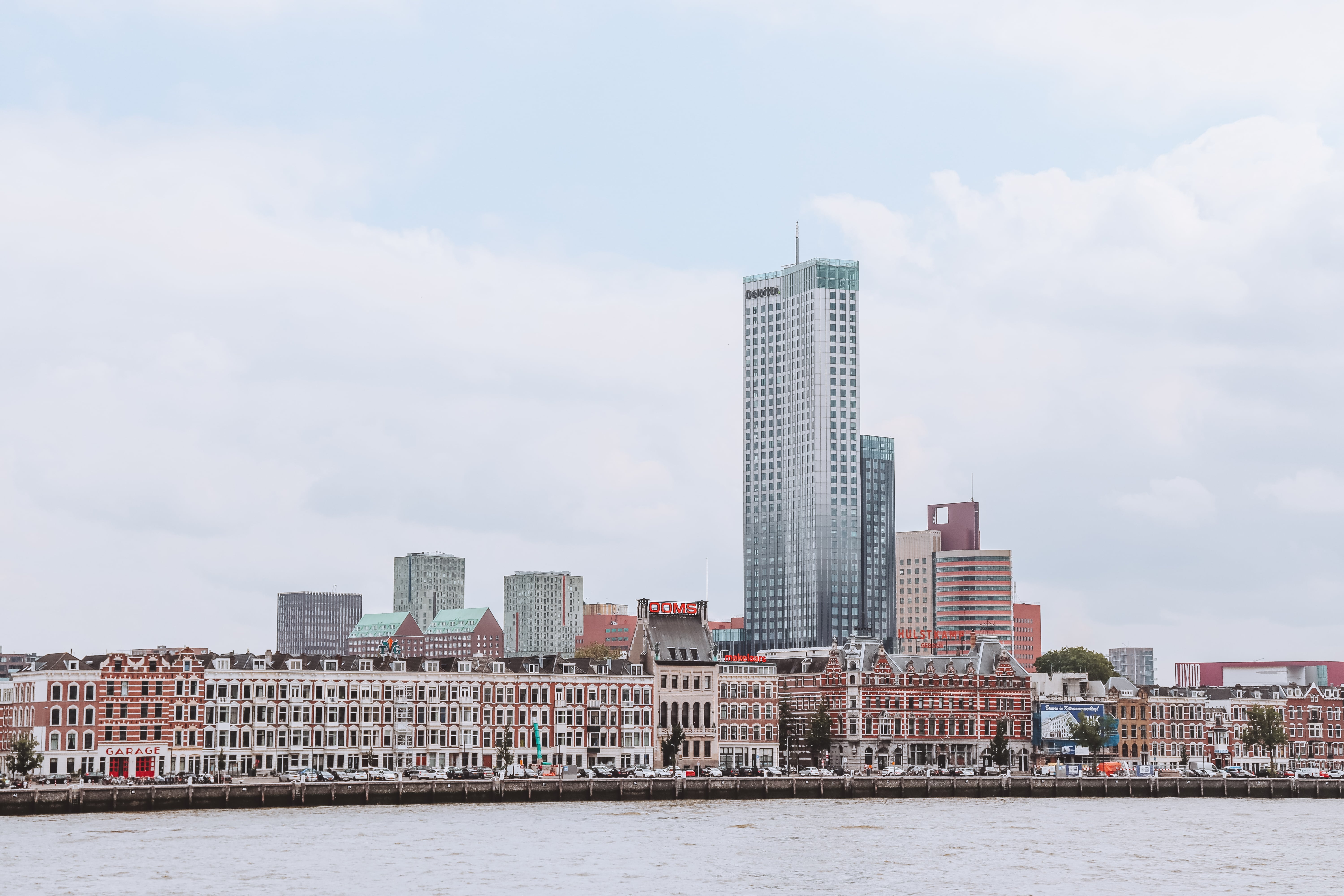
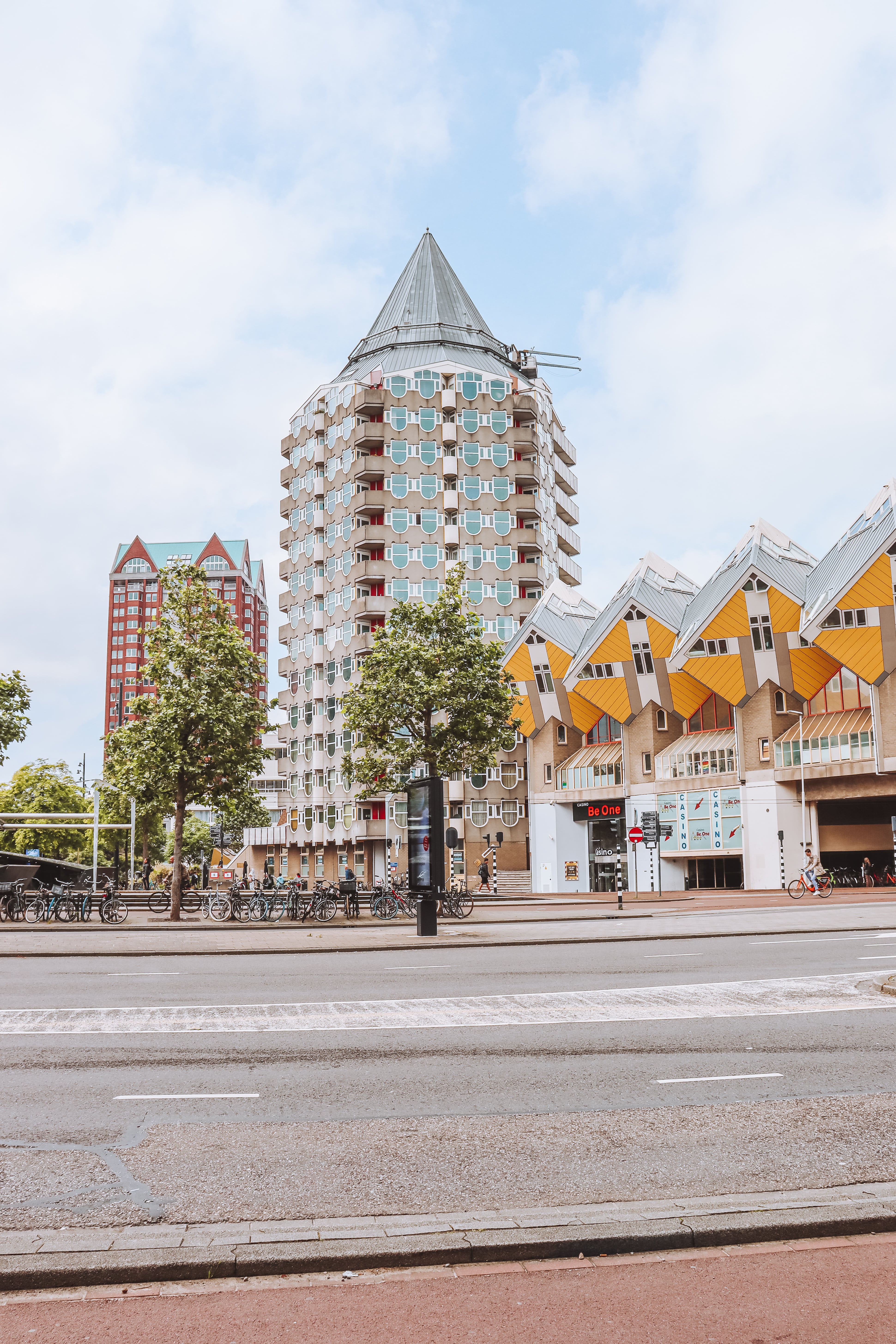
Roterdão é a segunda maior cidade dos Países Baixos e é conhecida por ter o maior porto de contentores da Europa.  Tem uma história marítima muito rica e interessante, mas esta não é uma cidade que ficou presa no passado.

Após ter sido fortemente bombardeada pelos alemães durante a Segunda Guerra Mundial, Roterdão teve de ser reconstruída a partir do zero, um projeto que envolveu alguns dos arquitetos mais visionários do país para dar à cidade uma construção modernista. Atualmente, existem dezenas de edifícios incríveis no interior de Roterdão e a cidade tem a maior concentração de arranha-céus dos Países Baixos.

Se quiseres ter uma impressão de como Roterdão era antes dos bombardeamentos, um local bastante interessante para visitares é o Delfshaven. Ao contrário da maior parte de Roterdão, Delfshaven é um dos bairros que foi poupado durante os bombardeamentos da Segunda Guerra Mundial.

O que visitar?

Clica aqui para acederes ao roteiro que preparei para ti.

Transporte e duração da viagem

Leiden Centraal – Rotterdam Centraal ou Rotterdam Centraal – Leiden Centraal:

  • Preço Ida: 8.10€ (caso compres online – ida: 7.10€)
  • Duração: 35 minutos

AMESTERDÃO

Apesar de existirem cidades muito bonitas e interessantes, a verdade é que Amesterdão é a capital que  tem de estar na lista de qualquer turista. Já tive várias conversas com diversas pessoas que visitaram a cidade e as opiniões diferem imenso.

Esta foi a minha terceira vez em Amesterdão e voltei a ficar encantada com a vida da cidade. Nesta ida, somente fiz um sightseeing pela cidade e adorei.

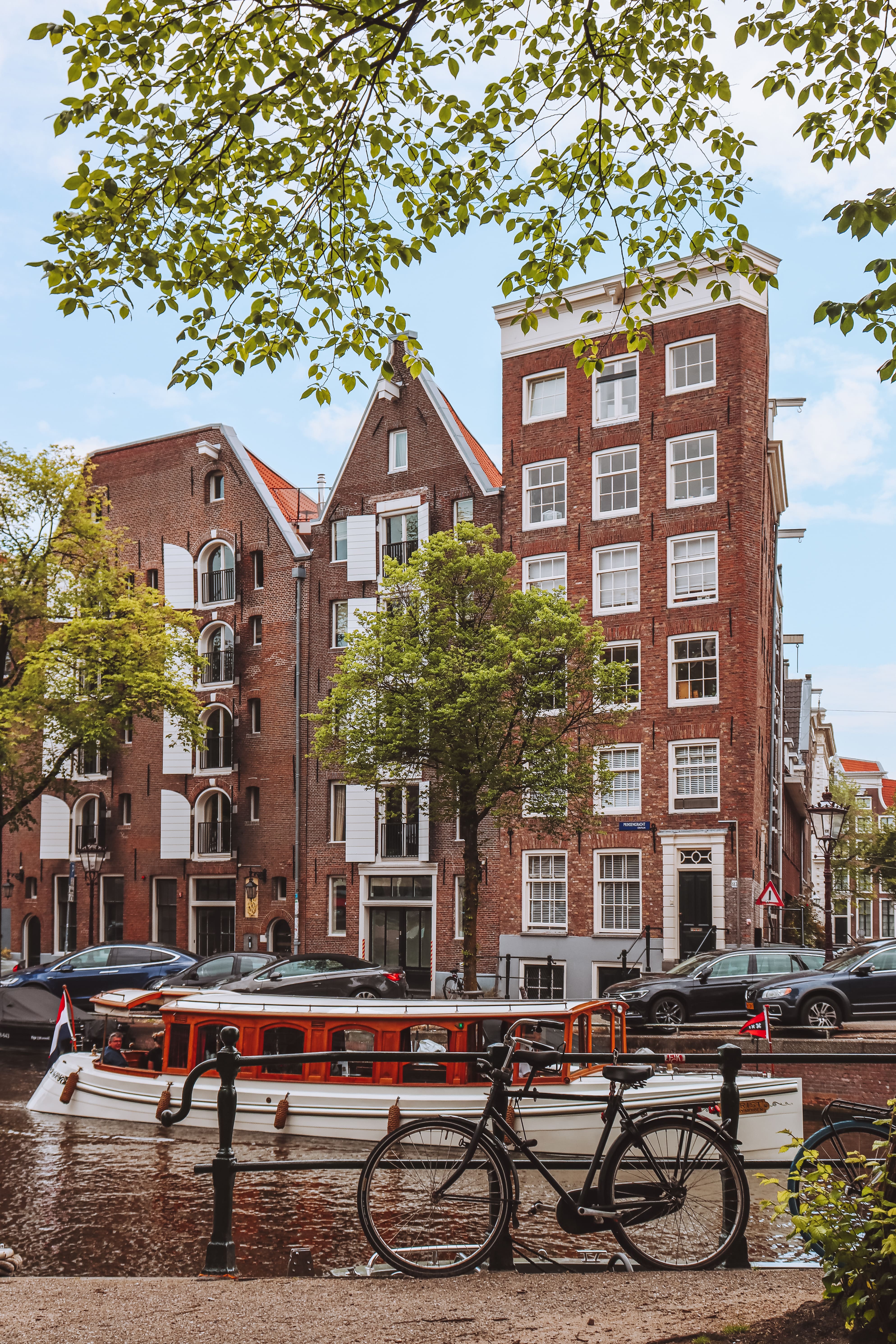
Mais do que os canais, os barcos, a confusão das bicicletas, aquilo que mais me encanta na cidade é a sua arquitetura, assim como, os museus contemporâneos existentes e o espírito de liberdade.

*Roteiro disponível na próxima semana com boas surpresas.

Transporte e duração da viagem

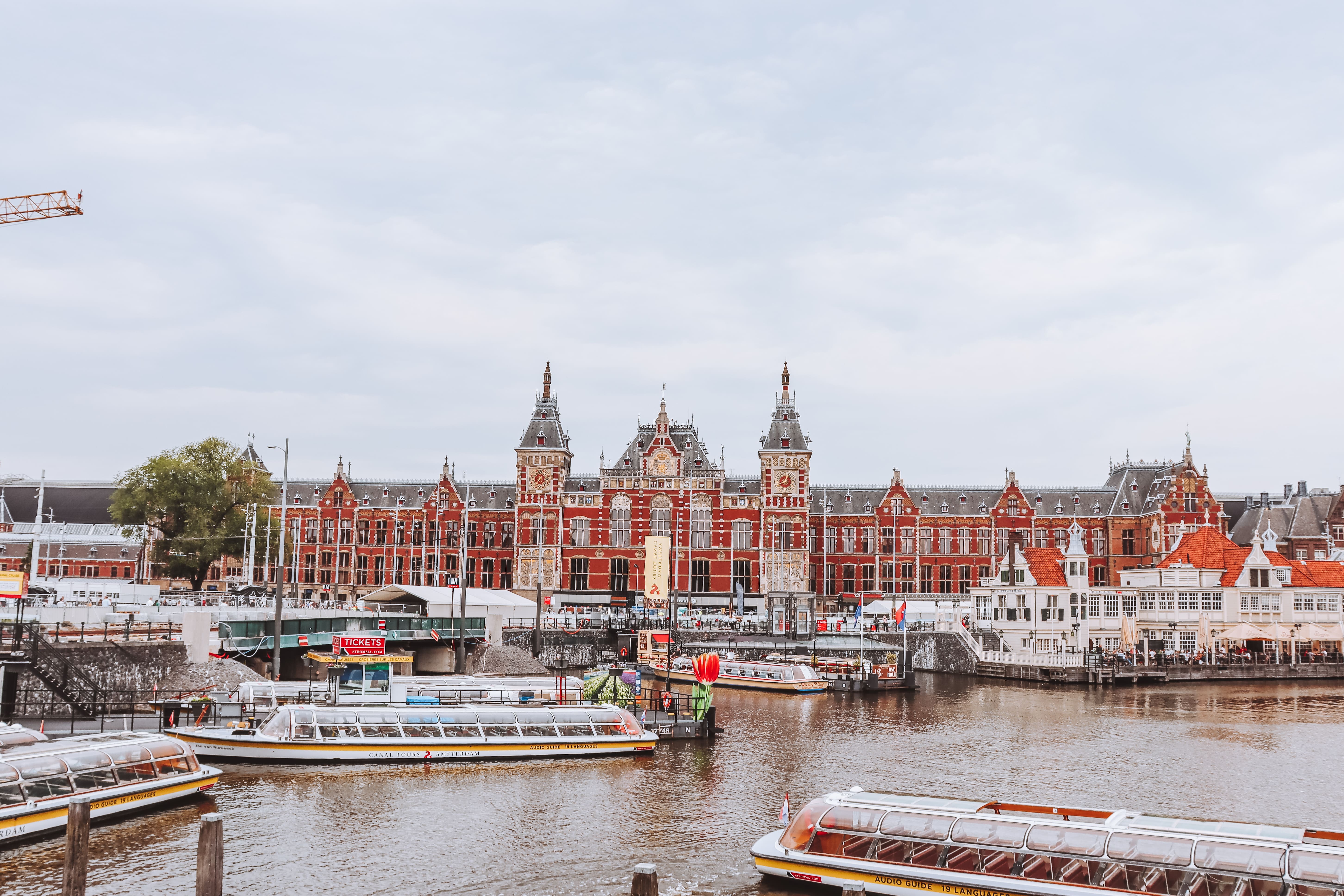
Leiden Centraal – Amsterdam Centraal ou Amsterdam Centraal – Leiden Centraal:

  • Preço Ida: 9.90€ (caso compres online – ida: 8.90€)
  • Duração: 40 minutos

NIJMEGEN

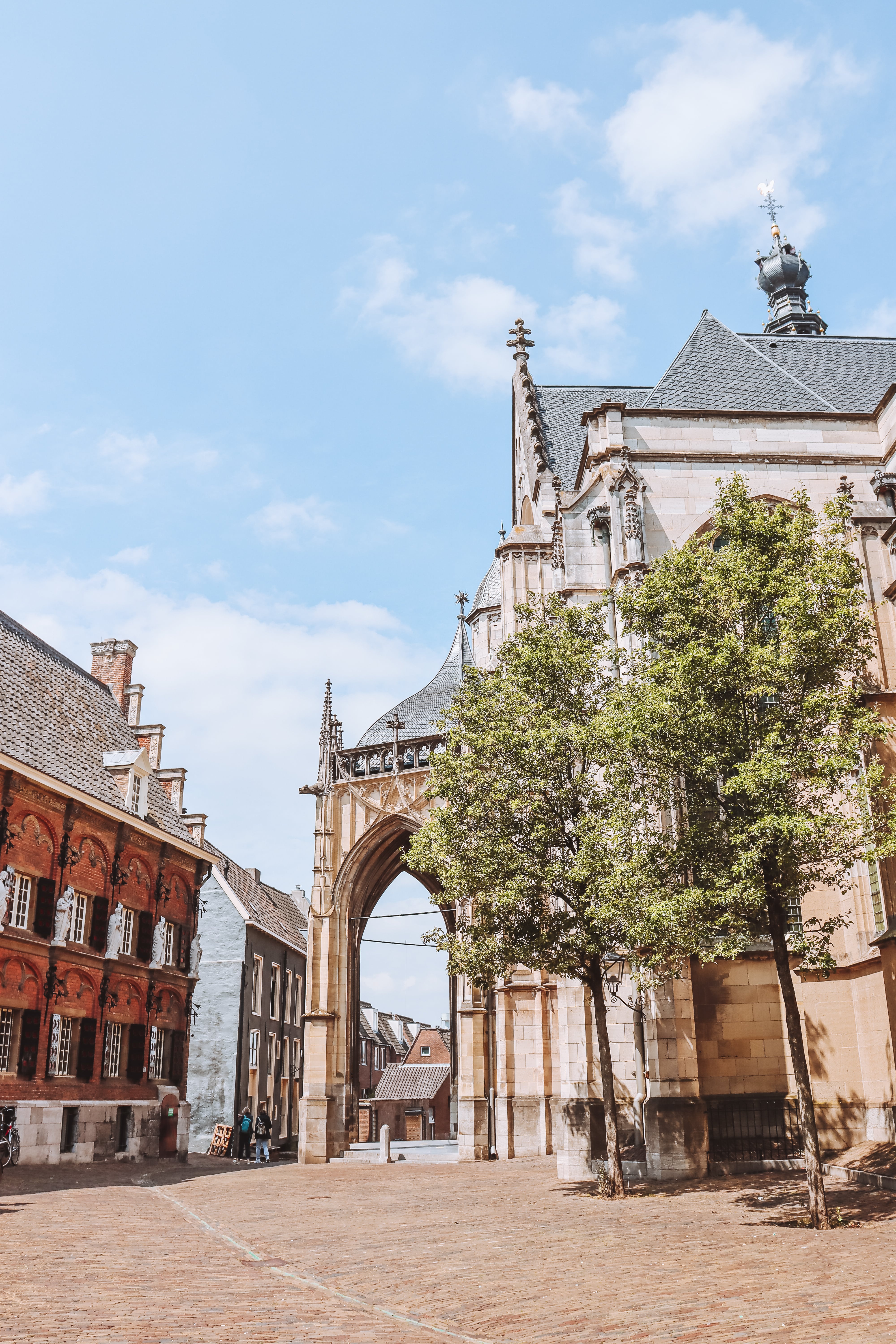
Nijmegen é uma bela cidade na província de Gelderland e não é frequentemente visitada por turistas. Fez parte do Império Romano durante muitos anos, por isso, se és um/a fã de História, Nijmegen é a cidade indicada para visitares. Graças aos romanos, esta é a cidade mais antiga dos Países Baixos e, em 2005, Nijmegen celebrou os seus 2000 anos de existência.

Até há um século atrás, Nijmegen era uma cidade fortificada, e os seus arredores eram palco de muitas batalhas ferozes. Contudo em 22 de Fevereiro de 1944, as forças aliadas bombardearam a cidade por engano, e causaram a morte de 800 pessoas e a destruição de uma grande parte da cidade. No período pós-guerra, várias foram as reconstruções feitas e assim surgiu um novo centro da cidade, no qual monumentos da história de Nijmegen ocupam uma posição especial.

Visita um dos museus da cidade, faz compras e termina o dia num dos muitos cafés ao ar livre para um delicioso lanche e uma bebida. O tempo nesta cidade voa.

O que visitar?

Clica aqui para acederes ao roteiro que preparei para ti.

Transporte e duração da viagem

Leiden Centraal – Nijmegen ou Nijmegen – Leiden Centraal:

  • Preço Ida: 21.80€ (caso compres online – ida: 20.80€)
  • Duração: 1:55 minutos

DELFT

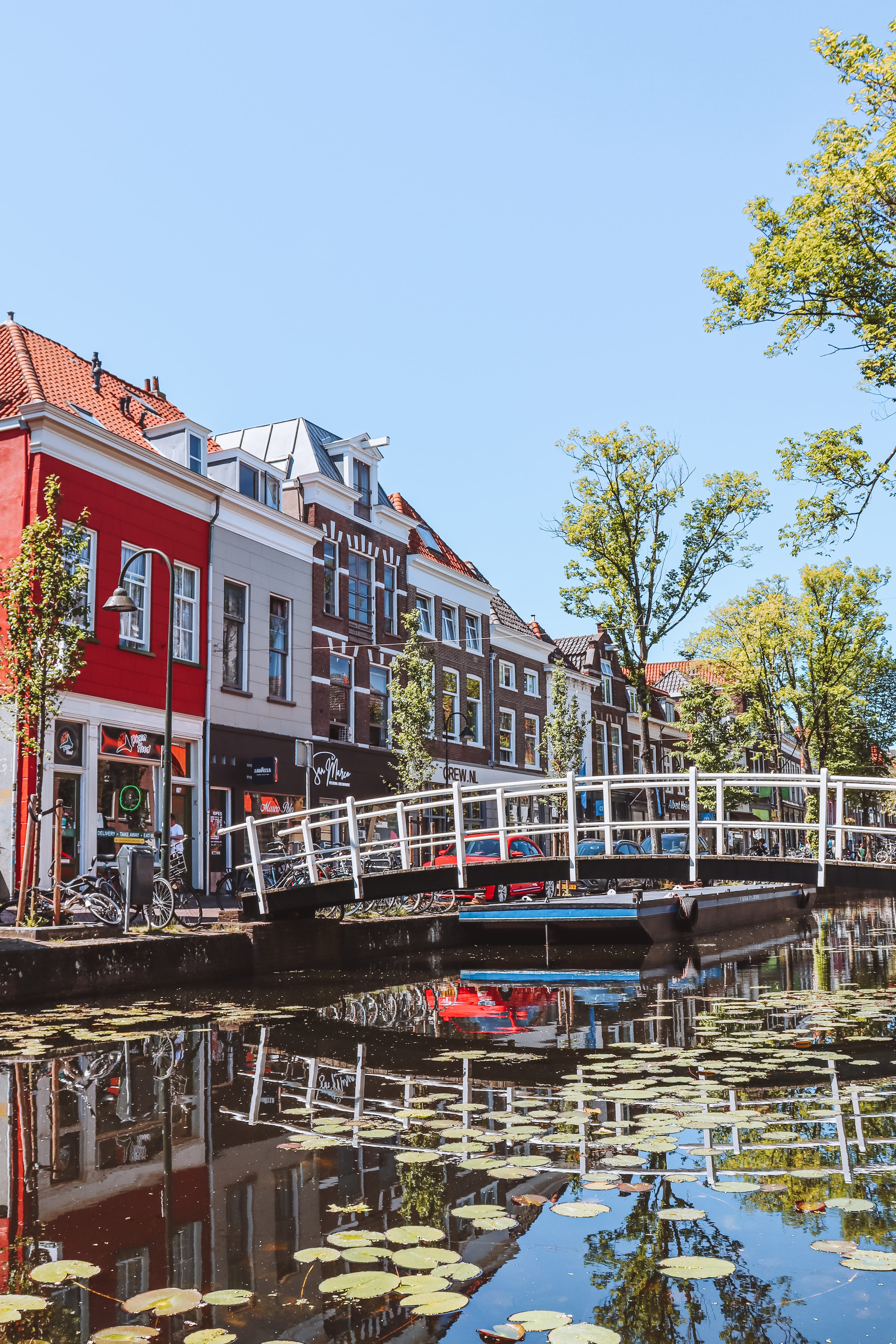
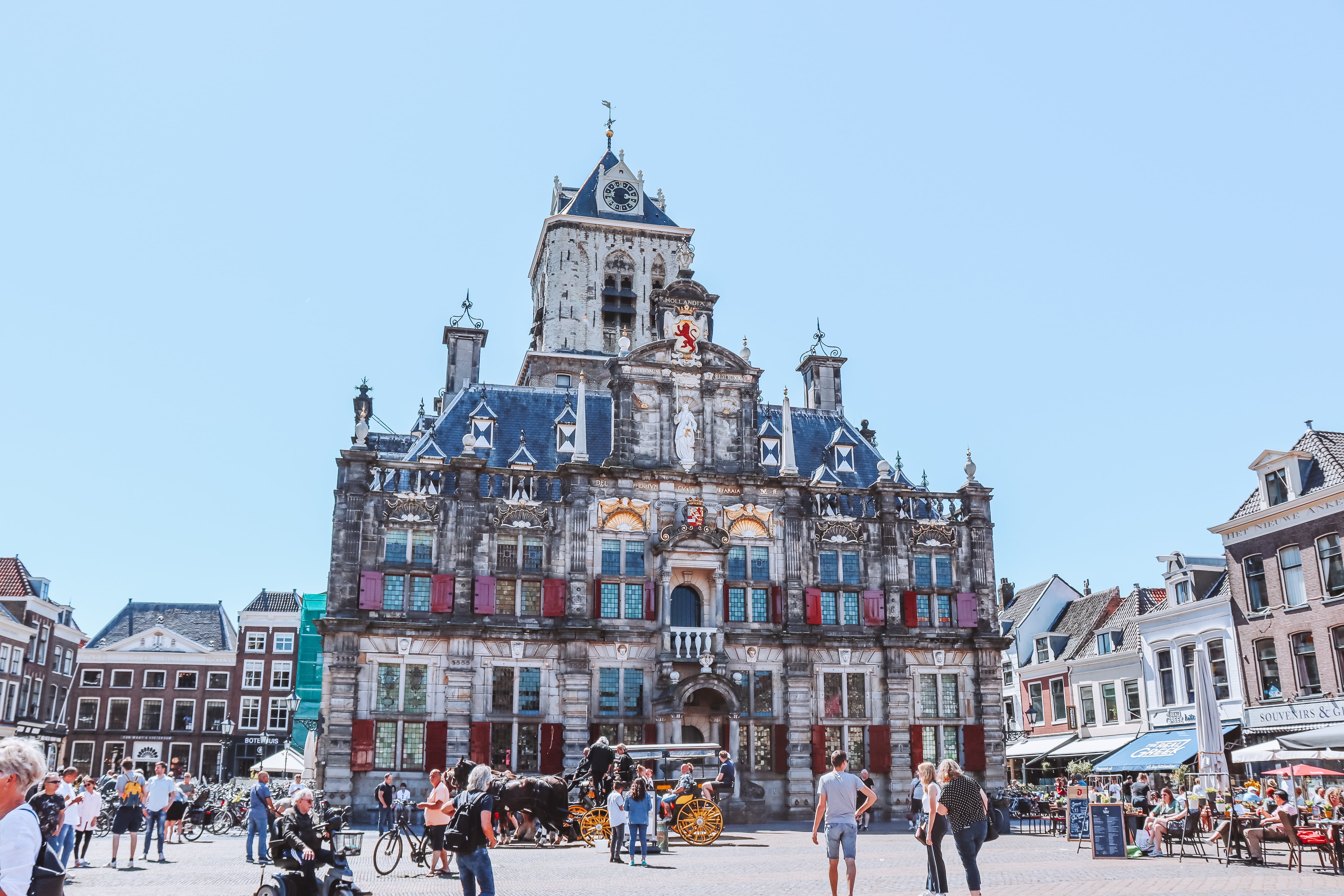
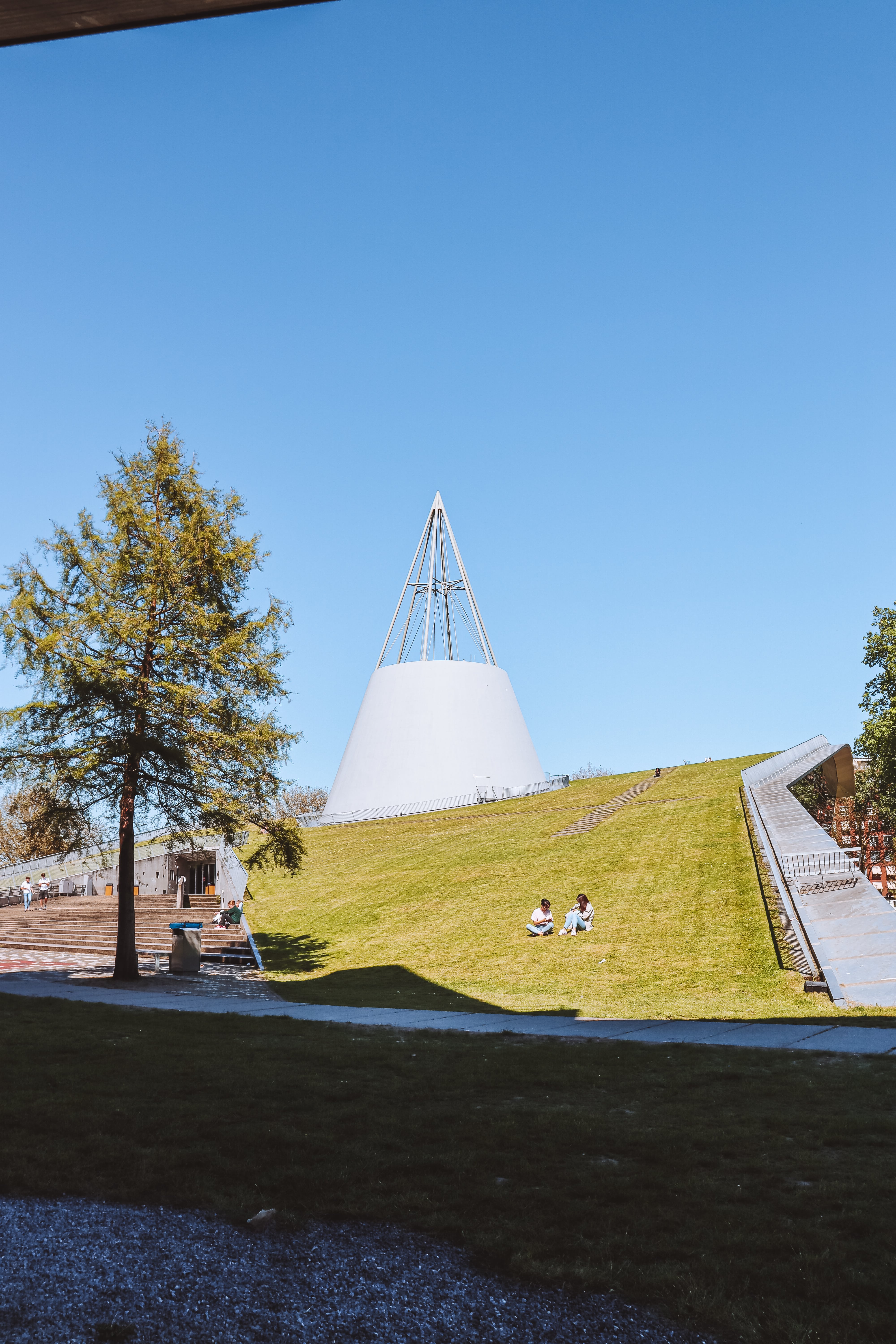
Talvez nunca tenhas ouvido falar da pequena cidade holandesa de Delft. No entanto, esta cidade é muito famosa nos Países Baixos. Vais ter a oportunidade de conhecer a cidade onde o pintor Veermer passou a sua vida, uma cidade rica em história e inundada de deliciosas cervejas artesanais, canais pitorescos e  é particularmente conhecida pelo fabrico de Delftware (um tipo de olaria caraterística da cidade). Além disso, Delft tem uma das universidades mais prestigiadas da Europa, por isso, quando visitares a cidade vais conseguir absorver a sua juventude.

Para mim Delft é como se fosse uma miniatura de Amesterdão, mas mais encantadora e muito menos sobrelotada pelo turismo de massas, com uma sensação muito mais “holandesa”. É perfeitamente feita a pé de uma ponta a outra sendo que todos os lugares são localizados bastante perto uns dos outros e é suficientemente pequena para ser vista em um ou dois dias, dependendo de aquilo que desejares visitar.

O que visitar?

Clica aqui para acederes ao roteiro que preparei para ti.

Transporte e duração da viagem

Leiden Centraal – Delft ou Delft – Leiden Centraal:

  • Preço Ida: 5.50€ (caso compres online – ida: 4.50€)
  • Duração: 20 minutos

ZANDAM

A região de Zaanstreek está mergulhada na história e oferece um conjunto de moinhos de vento, fábricas de queijos e aldeias piscatórias holandesas icónicas que permaneceram praticamente intocadas durante séculos. No coração da região encontra-se Zaandam, uma cidade moderna em tons de verde.

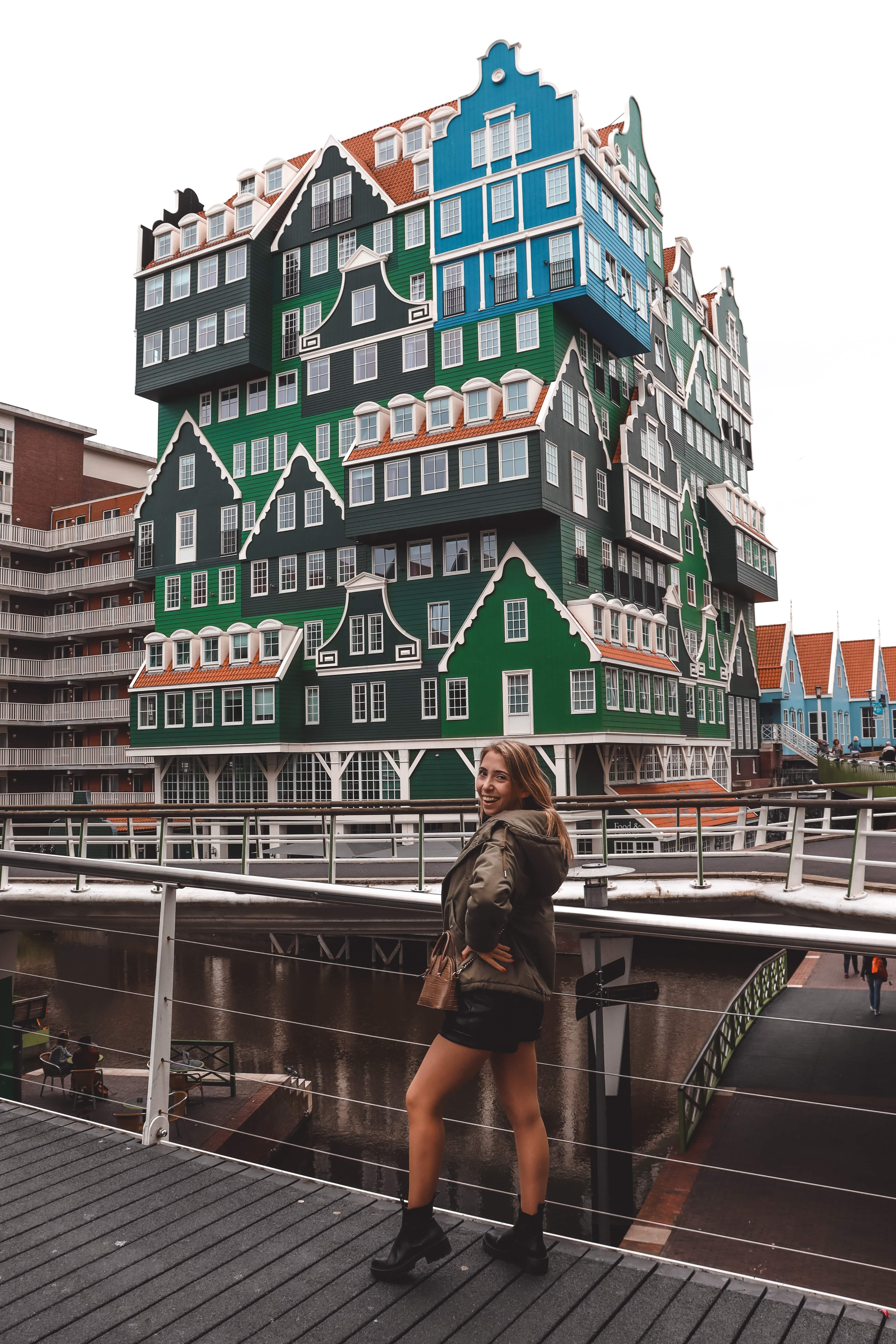
Zaandam é uma cidade que encontra formas inovadoras de reorientar e mostrar o seu carácter industrial. Assim que sais da estação central vais ficar maravilhado/a com a fachada apelativa do Inntel Hotel Zaandam, uma pilha de quase 70 casas individuais pintadas com quatro cores diferentes. 

Tenho de admitir que fiquei um pouco desiludida com Zaandam, porque pensei que seria uma cidade com muito mais para oferecer. Contudo, a viagem valeu imenso apena, só pelo facto de ir a Zans Schans que se situa a cerca de 30 minutos de comboio + 10 minutos a pé.

ZAANSE SCHANS

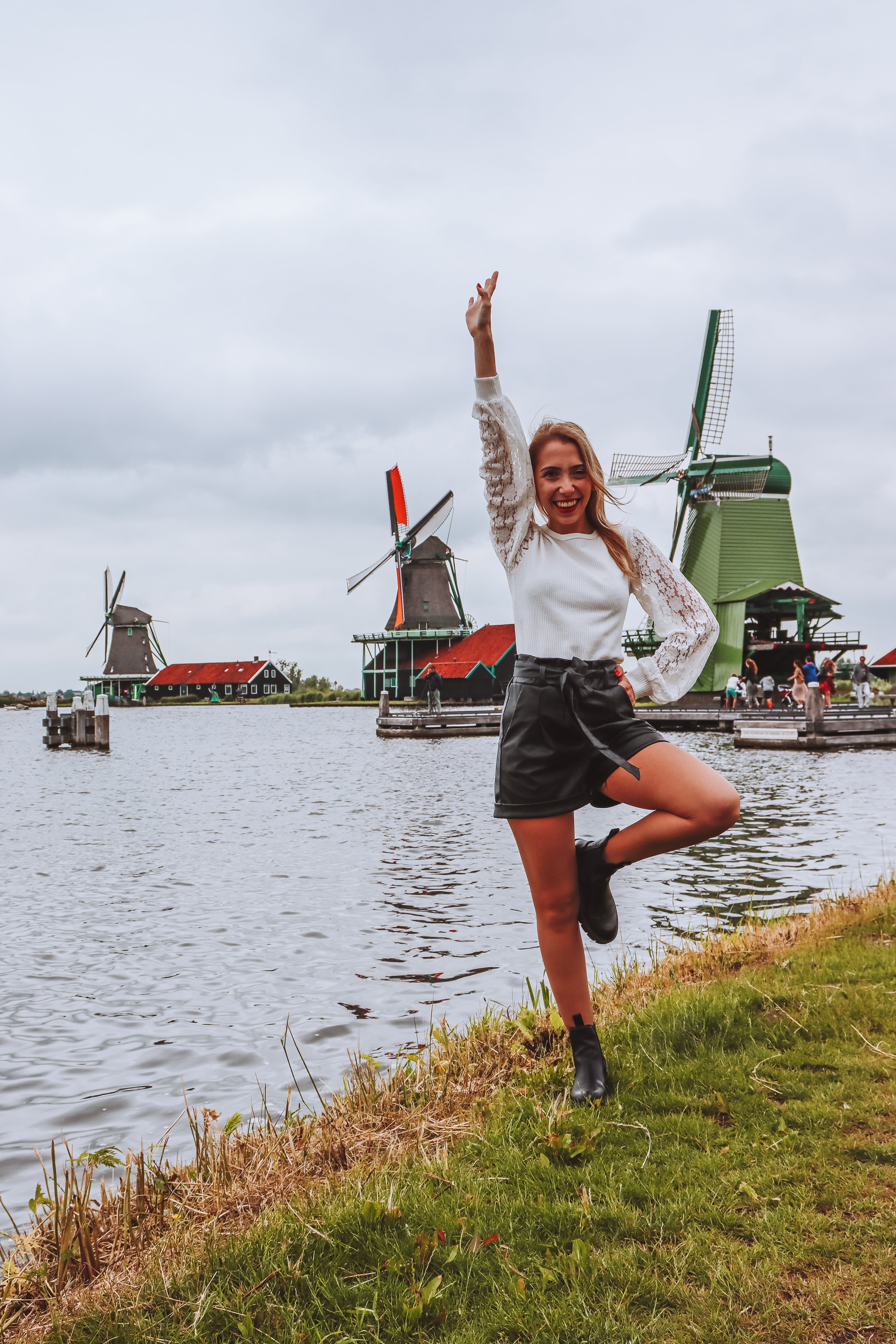
Em meados do século XIX teve início a revolução industrial no distrito de Zaan. O que se vê hoje no Zaanse Schans é como a comunidade vivia: as quintas, caminhos, casas de madeira, armazéns e moinhos de vento, valas  e  campos. Faz uma viagem de bicicleta ou num barco à vela, navega pela área e delicia-te no restaurante das panquecas. Um dia em Zaanse Schans é divertido e educativo.

Transporte e duração da viagem

Leiden Centraal – Zaandam ou Zaandam – Leiden Centraal:

  • Preço Ida: 10.20€ (caso compres online – ida: 9.20€)
  • Duração: 50 minutos

Zaandam – Zaanse Schans ou Zaanse Schans – Zaandam:

  • Preço Ida: 2.50€ (caso compres online – ida: 1.50€)
  • Duração: 20 minutos

UTRECHT

Já te aconteceu veres um destino e simplesmente apaixonares-te por ele? Ou até mesmo começares a imaginar como seria lá viver? Foi isso que aconteceu comigo quando visitei Utrecht.

Tenho de admitir que só conheci esta cidade através de uma conta do Instagram @utrechtalive e desde aí que fiquei com uma enorme vontade de conhecer a cidade, e não é que a realidade não só correspondeu às expectativas como também as superou!

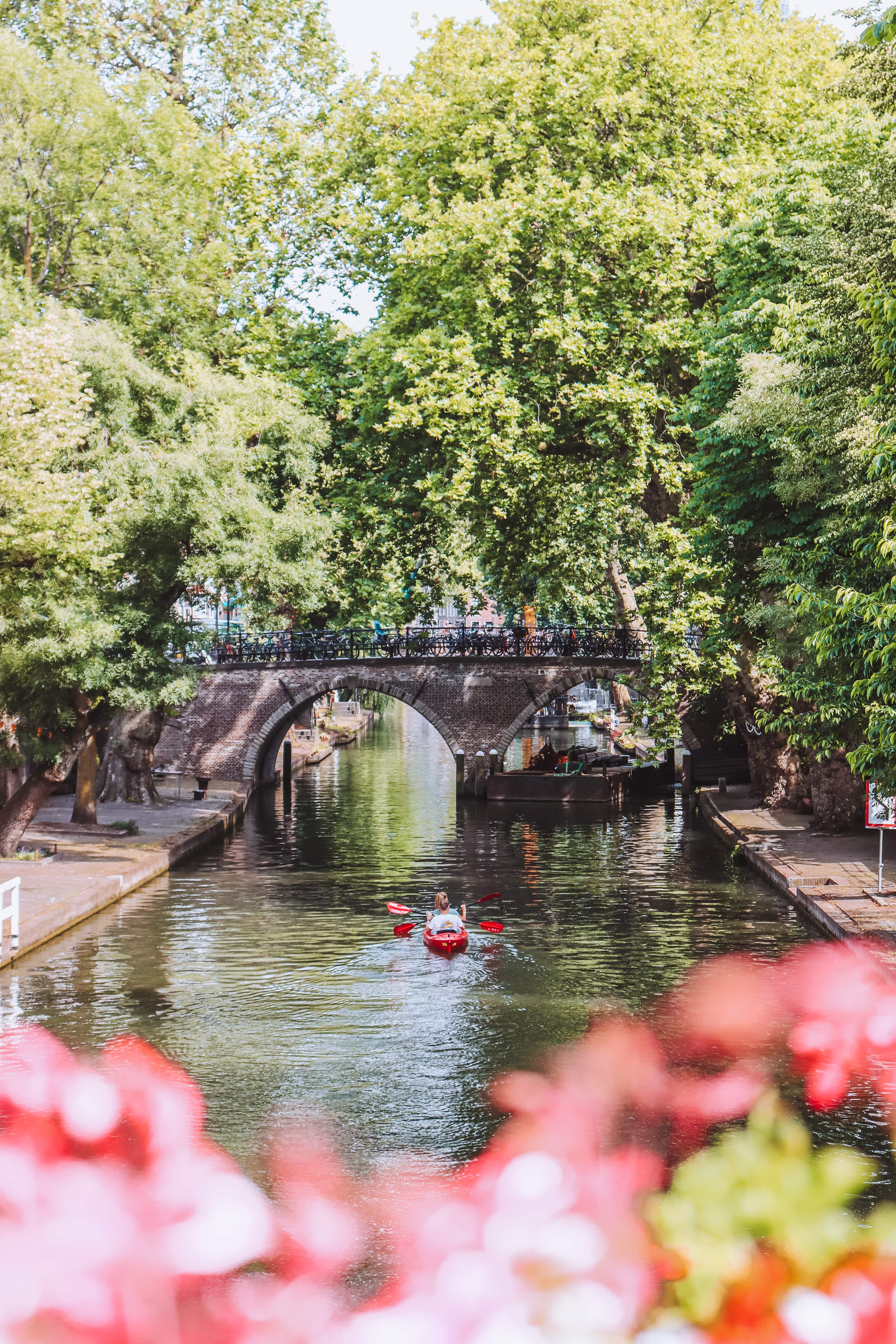
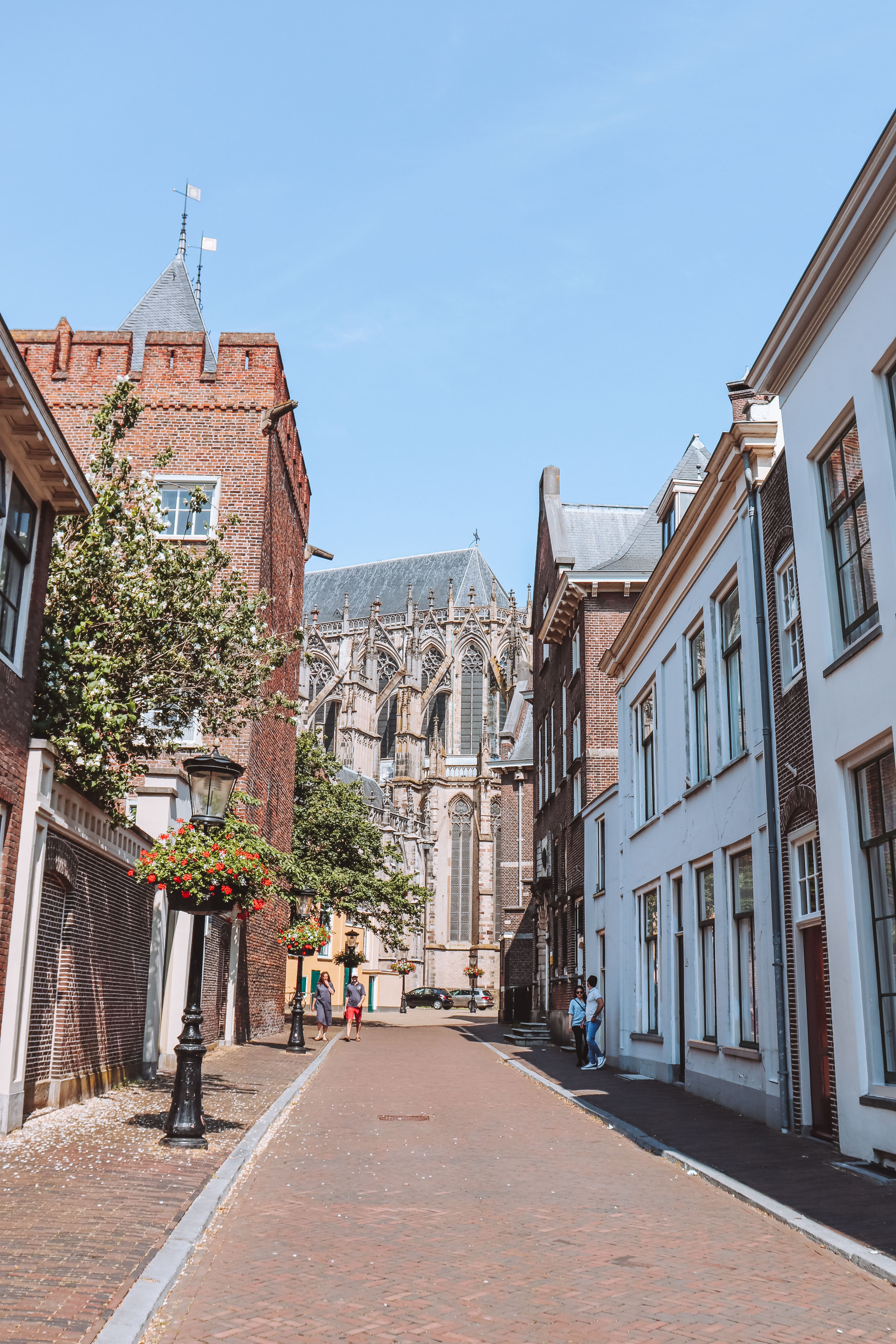
Esta bela cidade holandesa tem canais de dois andares, uma arquitetura encantadora, um ritmo lento, comida espantosa e poucos turistas. Utrecht é ainda uma cidade universitária que remonta aos tempos medievais e é fácil imaginar como era a vida há séculos atrás.

Conhecer os tesouros deste destino não seria possível sem as dicas incríveis da @sofiasousasilva, uma portuguesa que vive em Utrecht, que foi bastante prestável e que se disponibilizou logo em contar-me as maravilhas que a cidade tem para oferecer. No mapa também podem encontrar os locais que a Sofia me aconselhou a visitar:

O que visitar?

Clica aqui para acederes ao roteiro que preparei para ti.

Dicas

  • Visita a cidade o mais cedo possível, pois assim vais conseguir ver a cidade com calma e é ótimo para fotografar pois o comércio só abre por volta das 11h/12h.
  • Caso pretendas permanecer na cidade mais do que um dia, aconselho-te a visitares o Kasteel de Har.
  • Se és uma pessoa que gosta de alguma aventura, experimenta andar de kayak em Utrecht para conseguires ver a cidade de uma perspetiva diferente.

Transporte e duração da viagem

Leiden Centraal – Utrecht Centrum ou Utrecht Centrum – Leiden Centraal:

  • Preço Ida: 10.20€ (caso compres online – ida: 9.20€)
  • Duração: 40 minutos

Dicas

  • Se visitares os Países Baixos nos meses de Verão, leva um impermeável e um misto de roupa de verão e inverno, pois o tempo é muito instável.
  • A Swapfiets é uma empresa de aluguer de bicicletas a longo prazo com um excelente serviço. Deixo-te aqui esta opção caso penses em ficar nos Países Baixos mais de um mês: https://swapfiets.nl/en/
  • Instala a aplicação “9292” para teres acesso a toda a rede de transportes dos Países Baixos atualizados & a aplicação “Buienradar” para estares sempre com a meteorologia atualizada. 
  • Os transporte nos Países Baixos são caros. Caso estejas a viajar com mais de 4 pessoas, consegues ter descontos.
  • Comidas que tens de provar: Bitterballen, Stroopwafel, Frietwinkel & Drop.

Curiosidades

  • Os Países Baixos são o sexto país mais feliz do mundo.
  • Os holandeses são a nação mais alta do mundo.
  • O Gin foi inventado pelos holandeses.
  • As túlipas não são holandesas.
  • Os Países Baixos foram o primeiro país do mundo a legalizar o casamento entre pessoas do mesmo sexo.
  • O laranja é a cor dos Países Baixos.
  • O ponto mais alto dos Países Baixos é de 323 metros.
  • Os holandeses produzem por ano mais de 6 milhões de tamancos de lembranças
  • Existem cerca de 1000 moinhos espalhados pelo país.
  • Há mais de 1200 pontes só em Amesterdão.
  • Quando os holandeses acabam o secundário penduram as malas no mastro da bandeira para celebrar a sua passagem de ano.

Locais que ficaram por visitar

  • Zwolle
  • Giethoorn
  • Hoge Veluwe National Park
  • Keukenhof

P.s… Será que estás pronto/a para no próximo artigo saberes alguns dos spots mais intagrammaveis da capital dos Países Baixos?
Leiden

What is the first thing that comes to your mind when do you think about the Netherlands?

Maybe one of your first answers will be the canals, the windmills, the clogs, the flowers, the city of Amsterdam and the consumption of substances that are not allowed in other countries. However, with this article, I will show you that there is much more than these answers. 

Are you ready to go on the adventure of discovering the Netherlands? I will tell you about the cities you should visit, the typical food you won’t want to miss, travel costs, tips, and curiosities about the country.

*in this article, the travel cost information has the departure from Leiden Centraal station. That was the city where I stayed.

Cities you should visit

LEIDEN 

Leiden is just 15 minutes by train from Amsterdam Schipol Airport. It is the ideal city if you want to get away from the hustle and bustle of Amsterdam. You will have the chance to see one of the best-preserved historical centres and stay in the oldest university town in the Netherlands. 

The city is very safe, has a youthful atmosphere, many bars with terraces on top of the canals, and the houses’ architecture is typical dollhouses.

One of the highlights of Leiden is the Pieterskerk and the poems written all over the city streets, with different themes and are written in different languages. 

What to visit

Click here to access the itinerary I have prepared for you.

Transport and travel duration

Amsterdam Schipol – Leiden Centraal or Leiden Centraal – Amsterdam Schipol: 

  • One-way price: 6.40€ (if you buy online – one-way: 5.40€)
  • Duration: 15 minutes

DEN HAG

The Hague is one of the best-kept secrets in the Netherlands.

Considered the city with the highest number of historical sites per square metre in the Netherlands, The Hague is a city with immense culture, history, and a political heart. It is the home of the royal family and the seat of government of the country.

When visiting the city don’t miss the opportunity to see “The Mauritshuis” museum. This museum is home to the finest Dutch paintings of the Golden Age. Masterpieces such as Vermeer’s “The Girl with the Pearl Earring”, Rembrandt’s “The Anatomy Lesson” by Dr Tulp, Fabritius “The Pintassilgo”, and “Potter’s Bull” are on permanent display in the museum’s private rooms.

Another surprise is that Den Hag is the largest city by the sea in the Netherlands and the greenest city in Europe. The coastline stretches for 11 km, with wide sandy beaches, huge areas of dunes. The famous Scheveningen Pier is located on the coast. The city also has several theme parks, wonderful for younger visitors, such as the miniature city of Madurodam and the Omniversum cinema.

What to visit  

Click here to access the itinerary I have prepared for you.

Transport and travel duration

Leiden Centraal – De Haag Centraal or De Haag Centraal – Leiden Centraal: 

  • One-way: 3.80€ (if you buy online – one-way: 2.80€)
  • Duration: 10 minutes

ROTTERDAM

Rotterdam is the second-largest city in the Netherlands and is known for having the largest container port in Europe. The city has a very rich and interesting maritime history but is not attached to its past. 

After being heavily bombed by the Germans during the Second World War, Rotterdam had to be rebuilt from scratch, a project that involved some of the country’s most visionary architects to give the city a more modernist feel. Today, there are dozens of incredible buildings within Rotterdam. The city has the highest concentration of skyscrapers in the Netherlands.

If you want to get an impression of what Rotterdam looked like before the bombings, a pretty interesting place to visit is Delfshaven. Unlike most of Rotterdam, Delfshaven is one of the neighbourhoods that was spared during the bombings of the Second World War. 

What to visit  

Click here to access the itinerary I have prepared for you.

Transport and travel duration

Leiden Centraal – Rotterdam Centraal or Rotterdam Centraal – Leiden Centraal: 

  • One-way price: 8.10€ (if you buy online – one-way: 7.10€)
  • Duration: 35 minutes

AMSTERDAM

Although there are very beautiful and interesting cities in the Netherlands, the truth is that Amsterdam is the capital, so it has to be on every tourist’s list. I have had several conversations with various people who have already visited the city, and the opinions differ greatly.

This was my third time visiting Amsterdam, and I was again enchanted with the city life. On this trip, I just did sightsee through the city, and I loved it. 

More than the canals, the boats, the confusion of the bicycles, what enchants me the most in the city is its architecture, contemporary museums, and the feeling of freedom it spreads. 

*Map available next week with good surprises.

Transport and travel duration

Leiden Centraal – Amsterdam Centraal or Amsterdam Centraal – Leiden Centraal:

  • One-way price: 9.90€ (if you buy online – one-way: 8.90€)
  • Duration: 40 minutes

NIJMEGEN

Nijmegen is a beautiful city in the province of Gelderland and is not often visited by tourists. It was part of the Roman Empire for many years, so if you are a history buff, Nijmegen is the city to visit. Thanks to the Romans, this is the oldest city in the Netherlands. In 2005, Nijmegen celebrated its 2000 years of existence. 

Until a century ago, Nijmegen was a fortified city, and its surroundings were the scene of many fierce battles. However, on 22 February 1944, allied forces bombed the town by mistake, causing the death of 800 people and the destruction of a large part of the city. In the post-war period, several reconstructions were made, and a new city centre emerged, in which monuments of Nijmegen’s history occupy a special position.

Visit one of the city’s museums, do some shopping and end the day in one of the many open-air cafés for a delicious snack and a drink. Time in this city flies. 

What to visit  

Click here to access the itinerary I have prepared for you.

Transport and travel duration

Leiden Centraal – Nijmegen or Nijmegen – Leiden Centraal:

  • One-way price: 21.80€ (if you buy online – one-way: 20.80€)
  • Duration: 1:55 minutes

DELFT

Maybe you have never heard of the small Dutch city of Delft, yet this city is very famous in the Netherlands. 

Delft is a rich city in history, awash with delicious craft beers, picturesque canals and particularly known for the manufacture of Delftware (a type of pottery) and for being the home of the painter Vermeer. Plus, Delft has one of the most prestigious universities in Europe, so when you visit the city, you’ll be able to soak up its youth.

To me, Delft is like a miniature Amsterdam, but more charming and much less overcrowded by mass tourism, with a much more “Dutch” feel. It is perfectly doable on foot from one end to the other, with all the places being located quite close to each other. It is small enough to be seen in one or two days, depending on what you wish to visit.

What to visit  

Click here to access the itinerary I have prepared for you.

Transport and travel duration

Leiden Centraal – Delft or Delft – Leiden Centraal:

  • One way: 5.50€ (if you buy online – one-way: 4.50€)
  • Duration: 20 minutes

ZAANDAM

The Zaanstreek area is a region that is steeped in history and offers an array of windmills, cheese factories and iconic Dutch fishing villages. At the heart of the region lies Zaandam, a modern city in shades of green.

Zaandam is a city that finds innovative ways to refocus and showcase its industrial character. As you step out of the central station, you’ll be amazed by the facade of the Inntel Hotel Zaandam, with almost 70 individual houses painted in four different colours. 

I admit I was a little disappointed with Zaandam because I thought it would be a city with so much more to offer. However, the trip was well worth it, just by going to Zans Schans, which is about 30 minutes by train + 10 minutes walk. 

ZAANSE SCHANS

In the middle of the 19th century, the industrial revolution began in the district of Zaan. What you see today in Zaanse Schans is how the community lived: the farms, paths, wooden houses, warehouses and windmills, ditches and the fields. Take a trip by bike or on a sailing boat, sail around the area and delight in the pancake restaurant. A day in Zaanse Schans is fun and educational.

Transport and travel duration

Leiden Centraal – Zaandam or Zaandam – Leiden Centraal:

  • One-way: 10.20€ (if you buy online – one-way: 9.20€)
  • Duration: 50 minutes

Zaandam – Zaanse Schans or Zaanse Schans – Zaandam:

  • One-way price: 2.50€ (if you buy online – one-way: 1.50€)
  • Duration: 20 minutes

UTRECHT

Has it ever happened to you that you see a destination and just fall in love with it? Or even start imagining what it would be like to live there? That’s what happened to me when I visited Utrecht.

I have to admit that I only got to know this city through an Instagram account @utrechtalive. Since then, I was left with a huge desire to get to see the city, and isn’t it that the reality not only lived up to the expectations but also exceeded them?

This beautiful Dutch city has double-decker canals, lovely architecture, a slow pace, amazing food, and few tourists. Utrecht is still a university town dating back to medieval times, and it’s easy to imagine what life was like just a few centuries ago.

What to visit  

Click here to access the itinerary I have prepared for you.

Tips

  • Visit Utrecht as early as possible, as then you’ll get to see the city calmly, and it’s great for photography as the shops don’t open until around 11am/12pm. 
  • If you plan to stay in town for more than a day, I advise you to visit the Kasteel de Haar. 
  • If you like a bit of adventure, try kayaking in Utrecht to see the city from a different perspective. 

Transport and travel duration

Leiden Centraal – Utrecht Centrum or Utrecht Centrum – Leiden Centraal:

  • One-way: 10.20€ (if you buy online – one way: 9.20€)
  • Duration: 40 minutes

Tips

  • If you visit the Netherlands in the summer months, take a raincoat and a mix of summer and winter clothing as the weather is very changeable. 
  • Swapfiets is a long-term bike rental company with excellent service. I leave you with this option in case you are thinking of staying in the Netherlands for another month: https://swapfiets.nl/en/
  • Install the app “9292” to have access to the whole transport network in the Netherlands up to date & the app “Buienradar” to always have the weather up to date.  
  • Transport in the Netherlands is quite expensive. However, if you travel with more than 4 people, you can get discounts. 
  • Foods you must try: Bitterballen, Stroopwafel, Frietwinkel & Drop.

Curiosities

  • The Netherlands is the sixth happiest country in the world.
  • The Dutch are the tallest nation in the world.
  • Gin was invented by the Dutch.
  • Tulips are not Dutch.
  • The Netherlands was the first country in the world to legalise same-sex marriage.
  • Orange is the colour of the Netherlands.
  • The highest point in the Netherlands is 323 metres.
  • The Dutch produce over 6 million souvenir clogs a year
  • There are about 1000 mills scattered around the country. 
  • There are more than 1200 bridges in Amsterdam alone. 
  • When the Dutch finish high school, they hang their bags on the flagpole to celebrate their New Year’s Eve. 

Places I didn’t visit

  • Zwolle
  • Giethoorn
  • Hoge Veluwe National Park
  • Keukenhof

Ps… Did you notice that Amsterdam has no map…? During next week are you ready to find some of the most Instagrammable spots in the Dutch capital?
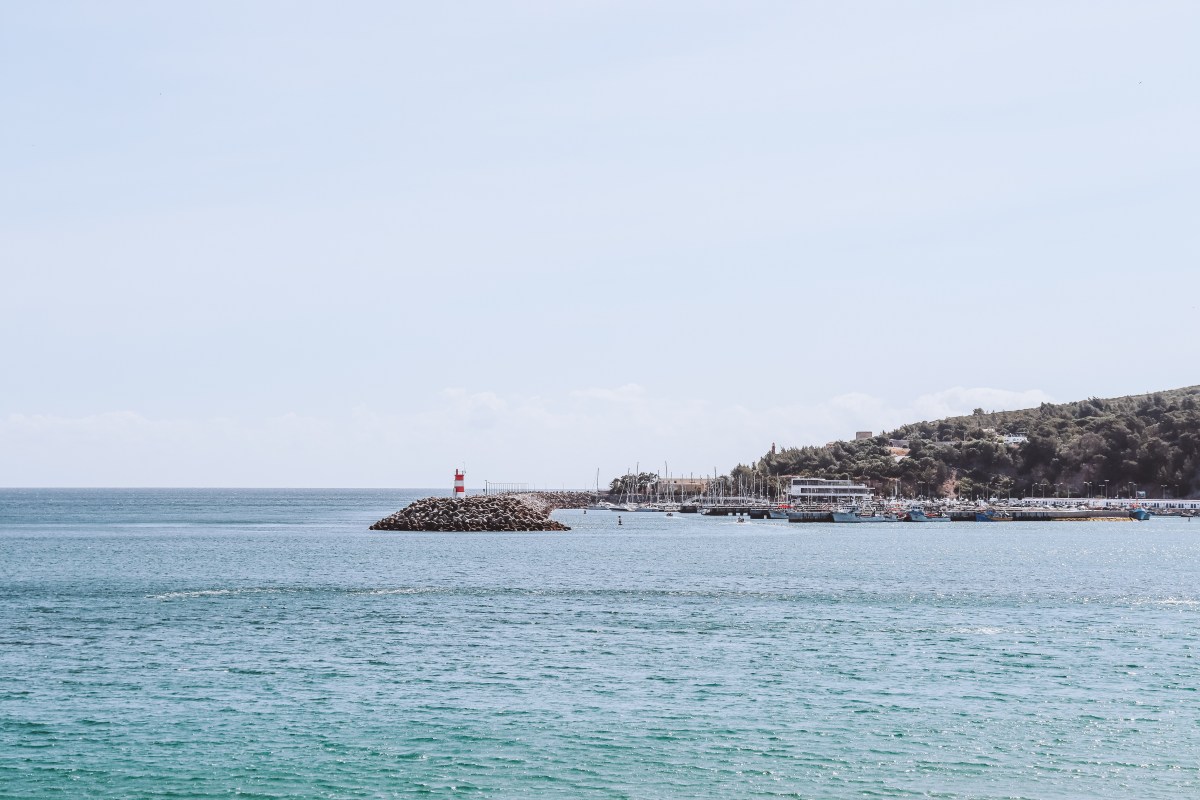
A vila de Sesimbra: Locais a visitar

Neste artigo vou dizer-te quais são os locais que deves de visitar em Sesimbra, onde dormir e onde comer, mas mais do que isso vou convencer-te a colocar este destino maravilhoso, que se encontra a poucos quilómetros da capital, na tua bucket list.

Neste artigo vou falar sobre o concelho de Sesimbra, com mais incidência na Vila de Sesimbra e os melhores locais a visitar, assim como o seu enquadramento único. Mais do que isso, vou convencer-te a visitar este local maravilhoso que se encontra a poucos quilómetros da capital.

O concelho de Sesimbra fica localizado na Península de Setúbal, a cerca de 30 quilómetros de Lisboa e de Setúbal a partir de cada uma destas cidades. O concelho divide-se em três freguesias: A freguesia de Santiago, Castelo e a Quinta do Conde e ambos têm as suas particularidades. A freguesia de Santiago corresponde ao centro da Vila de Sesimbra, conhecido pelo centro, por ser a zona piscatória e pelas praias. A freguesia do Castelo, muito ligada à agricultura e que se estende desde a Baía de Sesimbra, até ao Cabo Espichel e por último a freguesia da Quinta do Conde, que apesar de ser um local mais urbano, é aqui que se encontra o campo de golfe da Quinta do Peru, muito conhecido na região.

Se por esta informação ainda não te convenci a visitar o concelho de Sesimbra, continua a ler para saberes mais…

Enquadramento Geográfico único

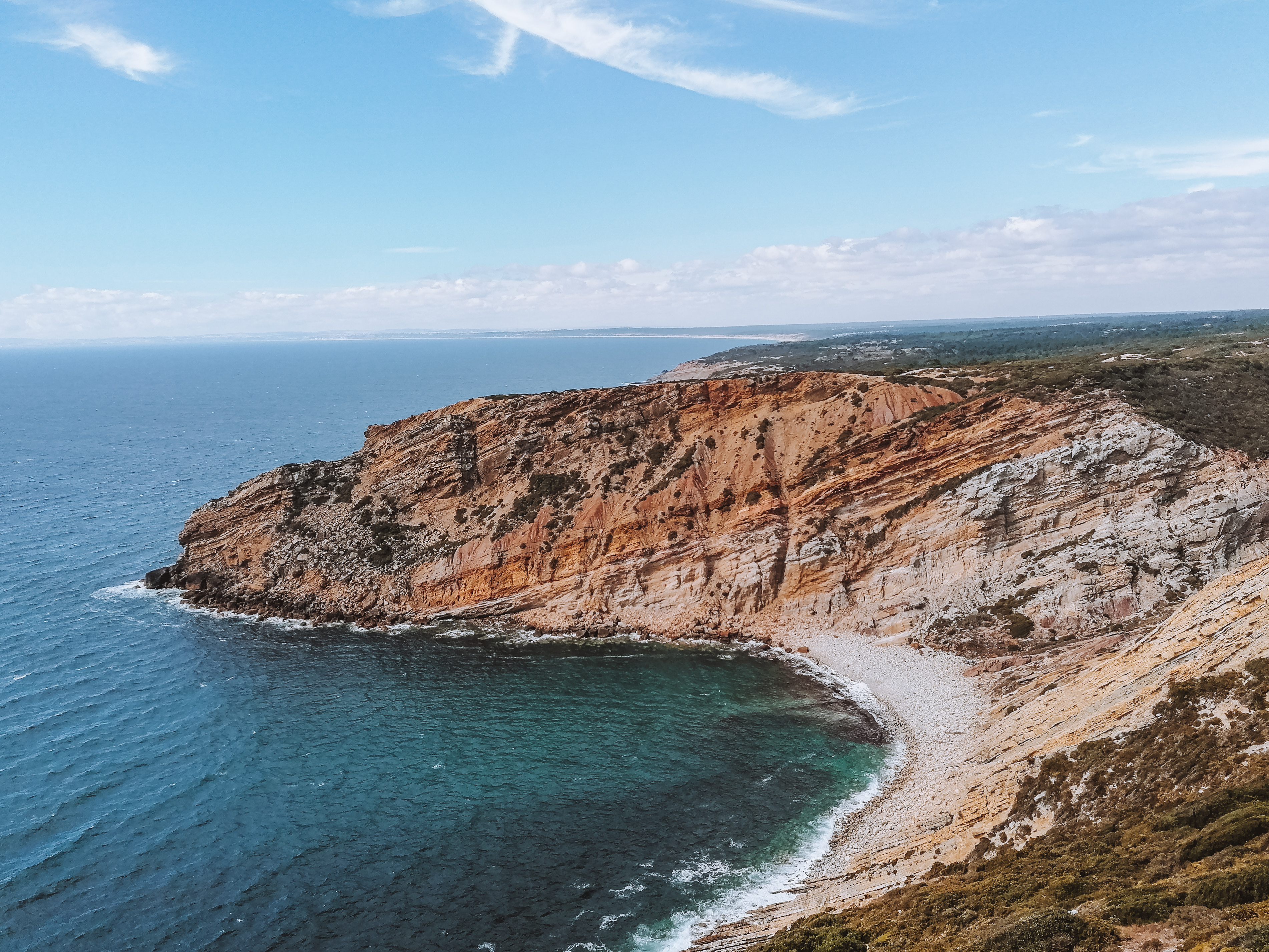
Com uma costa atlântica com mais de 40 quilómetros, Sesimbra tem um enquadramento geográfico único, que se estende desde a Lagoa de Albufeira até à Serra da Arrábida. Ao longo da costa conseguimos encontrar as pequenas praias abrigadas, nomeadamente, a Praia da Ribeira do Cavalo, conhecida por ser uma das mais belas praias de Portugal, as imponentes falésias do Cabo Espichel e o extenso areal da Praia do Meco.

Locais a visitar

  • Marginal de Sesimbra: Seja de dia ou de noite, um passeio pela marginal de Sesimbra é a melhor forma de explorares a zona e de teres contacto com uma das vilas piscatórias mais bonitas de Portugal.
  • Fortaleza de Santiago: Um dos símbolos de Sesimbra, foi construída numa época em que as fronteiras marítimas tinham de ser defendidas. Em julho de 2014, a Fortaleza de Santiago foi totalmente renovada e atualmente, é a casa do Museu Marítimo de Sesimbra.
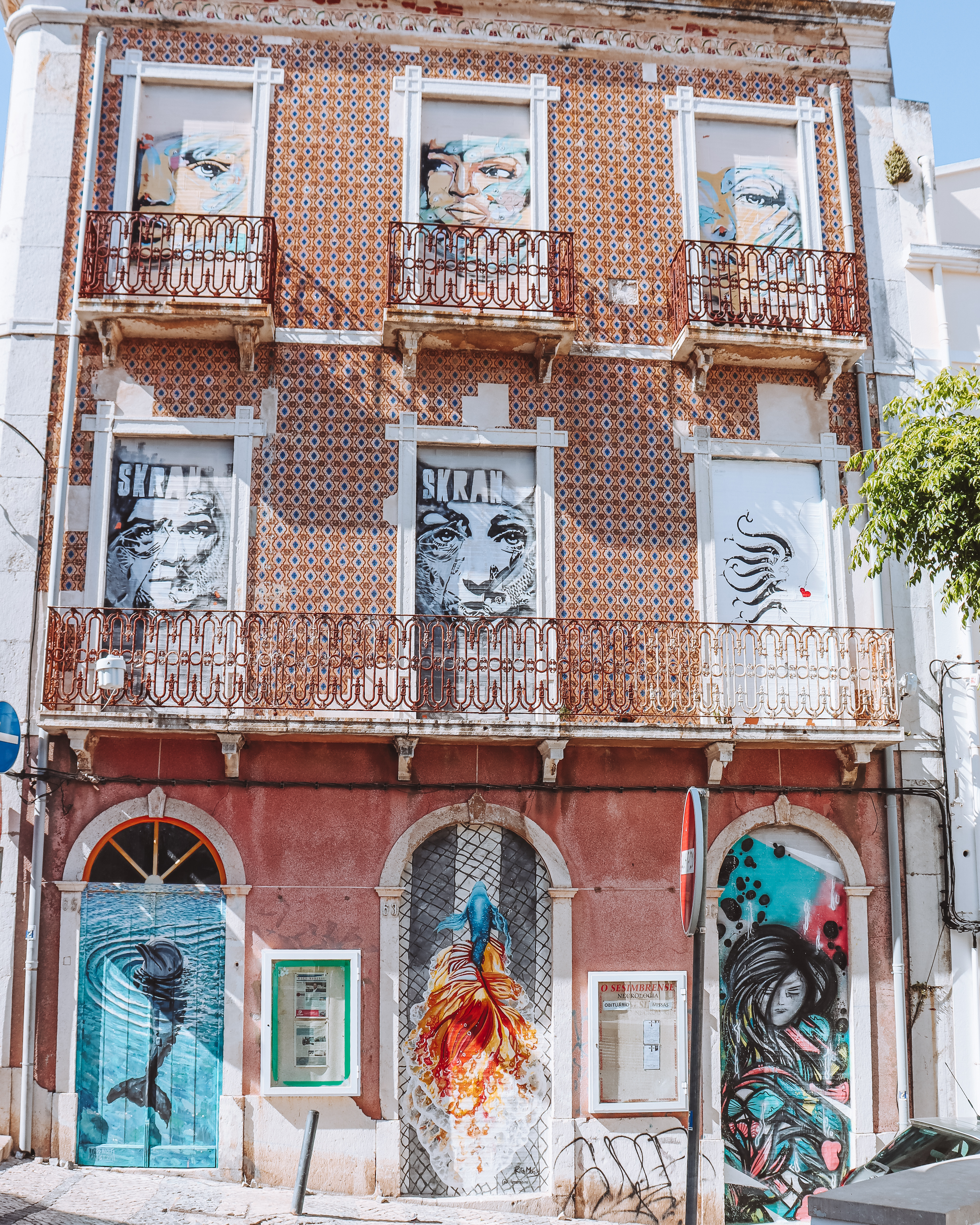
  • Arte na Rua: Em 2014, a Câmara Municipal desafiou um conjunto de artistas a pintarem portas e janelas do Núcleo Urbano Antigo da vila. O resultado foi tão surpreendente que já realizaram mais 3 edições, contribuindo assim para o aumento de mais um atrativo turístico para a vila.
  • Castelo de Sesimbra: Se visitares Sesimbra, não vais conseguir ficar indiferente ao maravilhoso castelo que se faz ver no cimo da vila, as suas muralhas têm uma vista única sobre a vila e sobre o mar. Com 850 anos, e classificado como monumento nacional desde 1910, o Castelo de Sesimbra é o último situado à beira-mar que mantém o traço medieval.
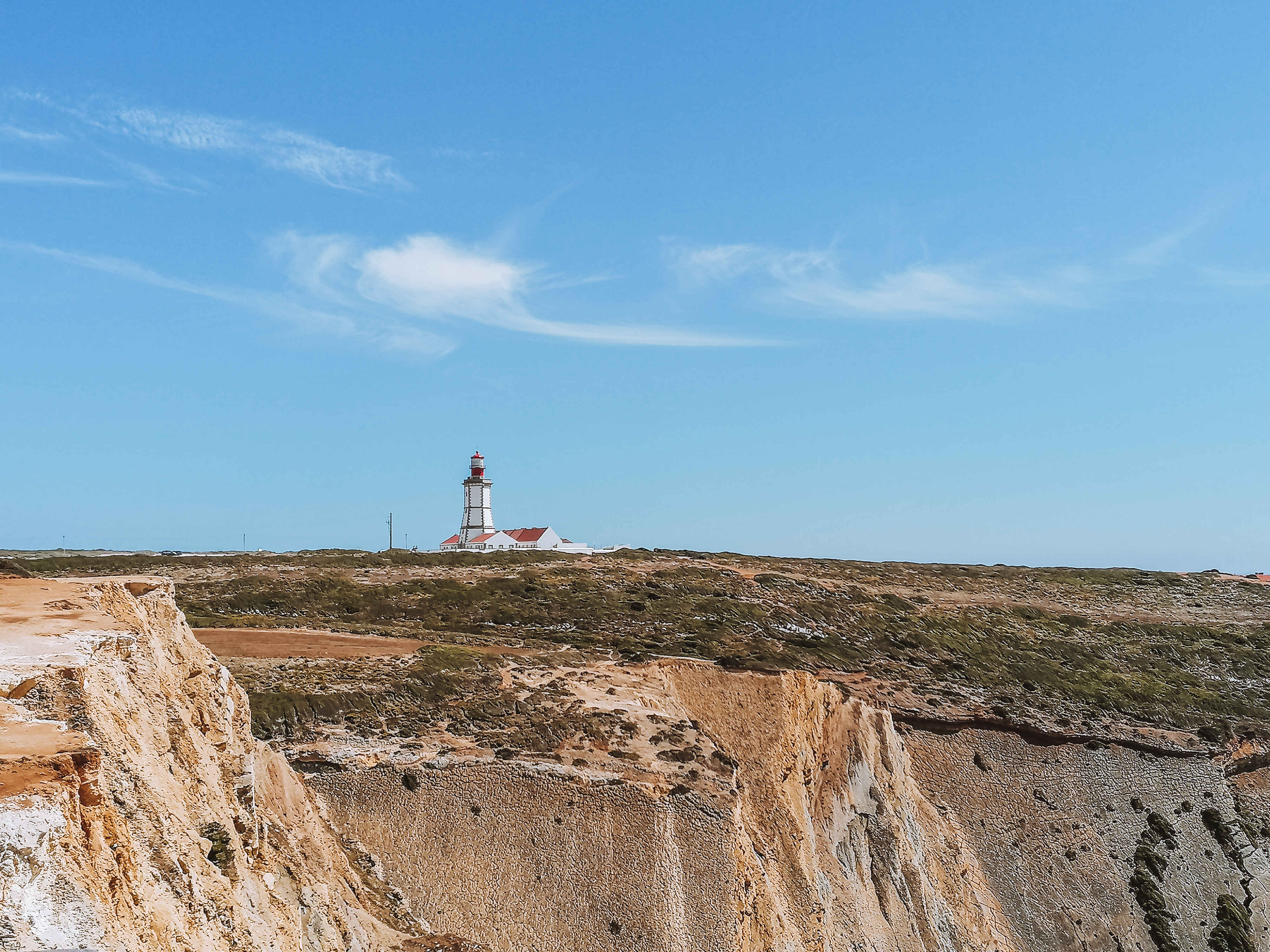
  • Cabo Espichel: O Farol do Cabo Espichel é um autêntico símbolo da zona. Por iniciativa da Marinha Portuguesa, o Farol encontra-se aberto ao público uma vez por semana de forma a contar a história do local e a sua relação com o mar.
  • Praias: Lagoa da Albufeira, Meco, Praia das Bicas (local de eleição para os amantes do surf), a Praia da Ribeira do Cavalo (uma das praias mais belas de Portugal). No centro da vila de Sesimbra a baía é contornada por duas praias de areia fina: Califórnia e Ouro.
  • Moagem de Sampaio: Um marco da evolução industrial e tecnológica do concelho. Aos fins de semana, o edifício acolhe uma venda de produtos locais que pretende incentivar produtores e agricultores a prosseguirem a sua atividade, conhecida pela iniciativa Sabores da Nossa Terra.
  • Museu Marítimo de Sesimbra: Grande património ligado à história do mar, da pesca e da comunidade piscatória desde os primeiros tempos até à atualidade.
  • Birdwatching: No concelho de Sesimbra, há duas Zonas de Proteção Especial de Aves – Lagoa Pequena e Cabo Espichel. Ambas as zonas são muito procuradas por fotógrafos, biólogos, ornitólogos e adeptos do birdwatching.
  • Pegadas de Dinossauros: Se é uma daquelas pessoas que gosta de dinossauros e geologia, aqui fica um local para visitares que tenho certeza que vais adorar.Em Sesimbra, podem ser visitados três dos sete monumentos naturais do país: a Pedreira do Avelino, a Pedra da Mua e os Lagosteiros. Estas jazidas apresentam vestígios de pegadas de dinossáurios datadas entre o Jurássico superior e o Cretácico inferior.
  • Farinha Torrada de Sesimbra: Um doce apreciado por todos e que marca a identidade de Sesimbra. A Farinha Torrada de Sesimbra era conhecida como um alimento dos pescadores, pelo seu valor energético e facilidade de transporte e conservação.
  • O peixe de Sesimbra: Considerado um dos melhores do mundo, Sesimbra é conhecida pelo seu peixe. Umas férias ou uma visita a Sesimbra só estão verdadeiramente completas quando se prova o seu peixe. Principalmente na época do Verão, o peixe assado, é o mais procurado.

Onde comer?

Onde ficar?

E agora já ficaste convencido/a a visitar esta maravilhosa Vila de Portugal e experimentar a sua deliciosa gastronomia?

Espero que tenhas gostado deste artigo!

Com muito amor,

Sofia Gomes.

In this article, I will talk about the municipality of Sesimbra, with more focus on the Village of Sesimbra and the best places to visit and its unique framework. More than that, I will convince you to see this wonderful place located a few kilometres from the capital.

Sesimbra district is located on the Setubal Peninsula, about 30 kilometres from Lisbon and Setubal from each of these cities. The district is divided into three parishes: Santiago, Castelo, and Quinta do Conde, and both have their particularities. Santiago corresponds to the centre of the village of Sesimbra, known for the centre, the fishing area and the beaches. The district of Castelo is very much linked to agriculture and extends from the Sesimbra Bay to the Cabo Espichel. Finally, Quinta do Conde, which, despite being a more urban place, is home to the well-known golf course of Quinta do Peru.

If this information has not convinced you to visit the district of Sesimbra, continue to read on to learn more…

Unique Geographical Environment

With an Atlantic coast of over 40 kilometres, Sesimbra has a unique geographic framing, extending from the Albufeira Lagoon to the Arrábida Mountains. Along the coast, we can find the small sheltered beaches, namely the Praia da Ribeira do Cavalo, known to be one of the most beautiful beaches in Portugal, the imposing cliffs of Cabo Espichel, and the extensive sandy beach of Praia do Meco.

Places to Visit

  • Sesimbra Marginal: Whether by day or night, a walk along the Sesimbra Marginal is the best way to explore the area and get in touch with one of the most beautiful fishing villages in Portugal.
  • Fortaleza de Santiago: One of the symbols of Sesimbra, it was built at a time when the maritime borders had to be defended. In July 2014, the Santiago Fortress was completely renovated and is currently home to the Sesimbra Maritime Museum.
  • Art in the Street: In 2014, the City Council challenged a group of artists to paint doors and windows of the Old Urban Core of the town. The result was so surprising that they have already held 3 more editions, thus contributing to the increase of another tourist attraction for the town.
  • Sesimbra Castle: If you visit Sesimbra, you will not be able to remain indifferent to the wonderful castle seen at the top of the village. Its walls have a unique view of the village and the sea. 850 years old and classified as a national monument since 1910, Sesimbra Castle is the last castle on the seashore that still preserves its medieval features.
  • Cabo Espichel: The Lighthouse of Cabo Espichel is a true symbol of the area due to its story and its relationship with the sea. By the initiative of the Portuguese Navy, the Lighthouse is open to the public once a week.
  • Beaches: Lagoa da Albufeira, Meco, Praia das Bicas (place of choice for surfers), the beach of Ribeira do Cavalo (one of the most beautiful beaches in Portugal). In the centre of the village of Sesimbra, the bay is contoured by two beaches of fine sand: California and Ouro.
  • Sampaio Mill: It is a landmark of the industrial and technological evolution of the municipality. On weekends, the building hosts a sale of local products, which encourages producers and farmers to continue their activity, known by the initiative Sabores da Nossa Terra (Flavours of our Land).
  • Sesimbra Maritime Museum: The museum has a greatt heritage linked to the sea, fishing and the fishing community from the earliest to the present.
  • Birdwatching: In the municipality of Sesimbra, there are two Special Protection Areas for Birds – Lagoa Pequena and Cabo Espichel. Both zones are highly sought after by photographers, biologists, ornithologists and birdwatching enthusiasts.
  • Dinosaur Footprints: If you are one of those people who likes dinosaurs and geology, here is a place to visit that I am sure you will love. In Sesimbra, three of the seven natural monuments in the country can be visited: Pedreira do Avelino, Pedra da Mua and Lagosteiros. These quarries show traces of dinosaur footprints dated between the Upper Jurassic and the Lower Cretaceous.
  • Farinha Torrada de Sesimbra: A sweet that everyone likes and which marks the identity of Sesimbra. The Farinha Torrada de Sesimbra was a fishermen’s food for its energetic value and ease of transport and conservation.
  • The Fish of Sesimbra: Considered one of the best in the world, Sesimbra is known for its fish. A holiday or a visit to Sesimbra is only truly complete when you taste its fish. Especially in the summer, baked fish is the most popular.

Where to eat?

Where to stay?

And now you are convinced to visit this wonderful village in Portugal and try its delicious gastronomy?

I hope you enjoyed this article.

Sofia Gomes

Palácio Nacional da Pena: Dicas

Situado no Monte da Pena, erguendo-se sobre uma rocha escarpada, o Palácio Nacional da Pena é um dos maiores exemplos do revivalismo romântico do séc. XIX em Portugal. Fica aqui um resumo daquilo que podes encontrar, assim como, dicas úteis que vais querer saber antes de ir.

Situado no Monte da Pena, erguendo-se sobre uma rocha escarpada, o fantástico Palácio Nacional da Pena é um dos maiores exemplos do revivalismo romântico do séc. XIX em Portugal. Este lugar faz sonhar todas as gerações que por ali passam e que com ele se deslumbram, o Palácio parece saído de um conto de fadas.

O Palácio:

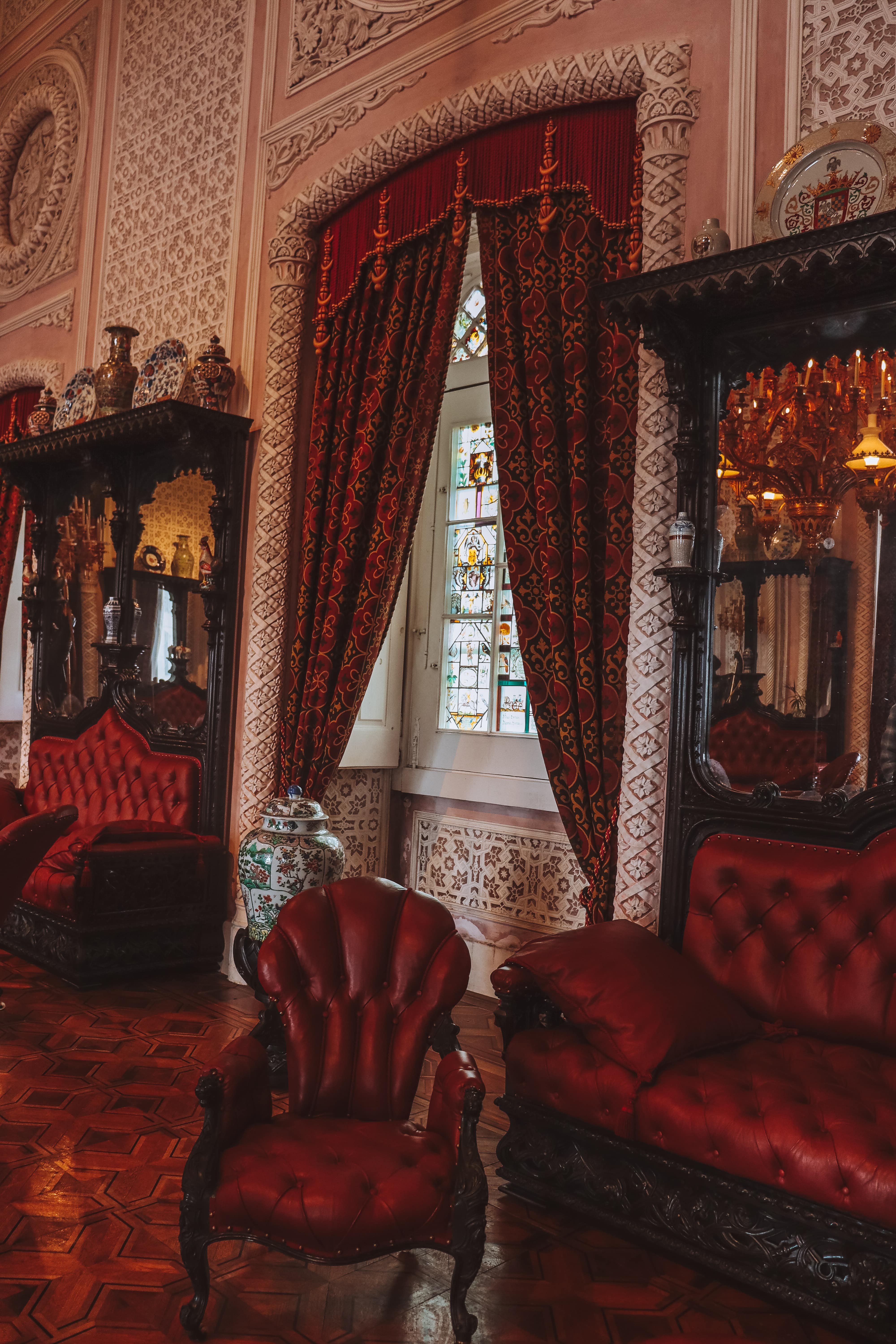
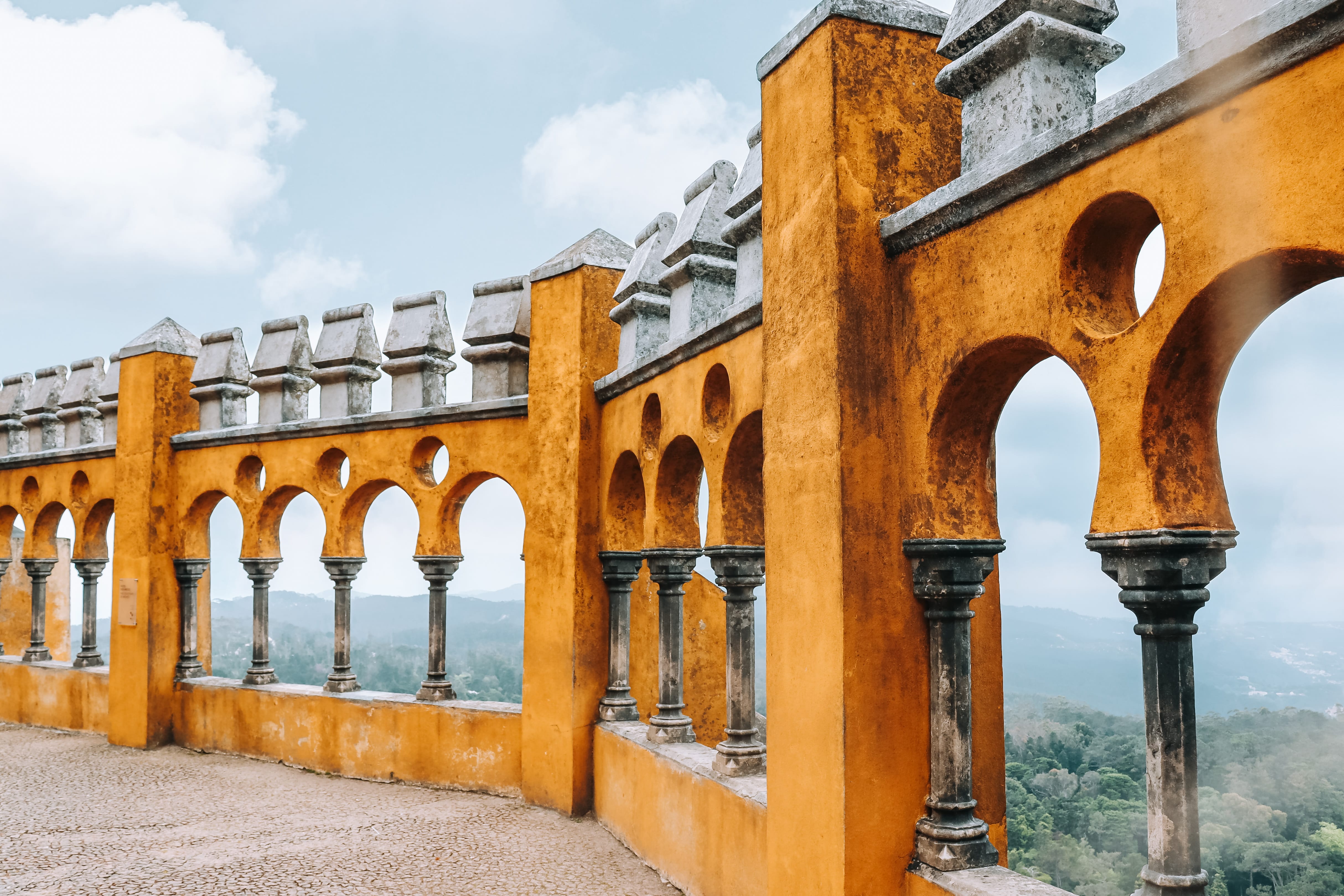
O palácio incorpora referências arquitetónicas de influência manuelina e mourisca que produzem um surpreendente cenário “das mil e uma noites”.

Apaixonado por Sintra, D. Fernando II, Rei-Artista (D. Fernando de Saxe Coburgo-Gotha), que casou com a rainha D. Maria II em 1836, resolveu adquirir um antigo convento que ali estava e as terras envolventes para construir o palácio de verão da família real.

A segunda fase de ocupação da Pena pela Família Real é marcada presença do rei D. Carlos I (1863-1908) e da rainha D. Amélia de Orleães (1865-1951). Foi no Palácio da Pena que D. Amélia é surpreendida pela Proclamação da República, a 5 de outubro de 1910.

O Parque:

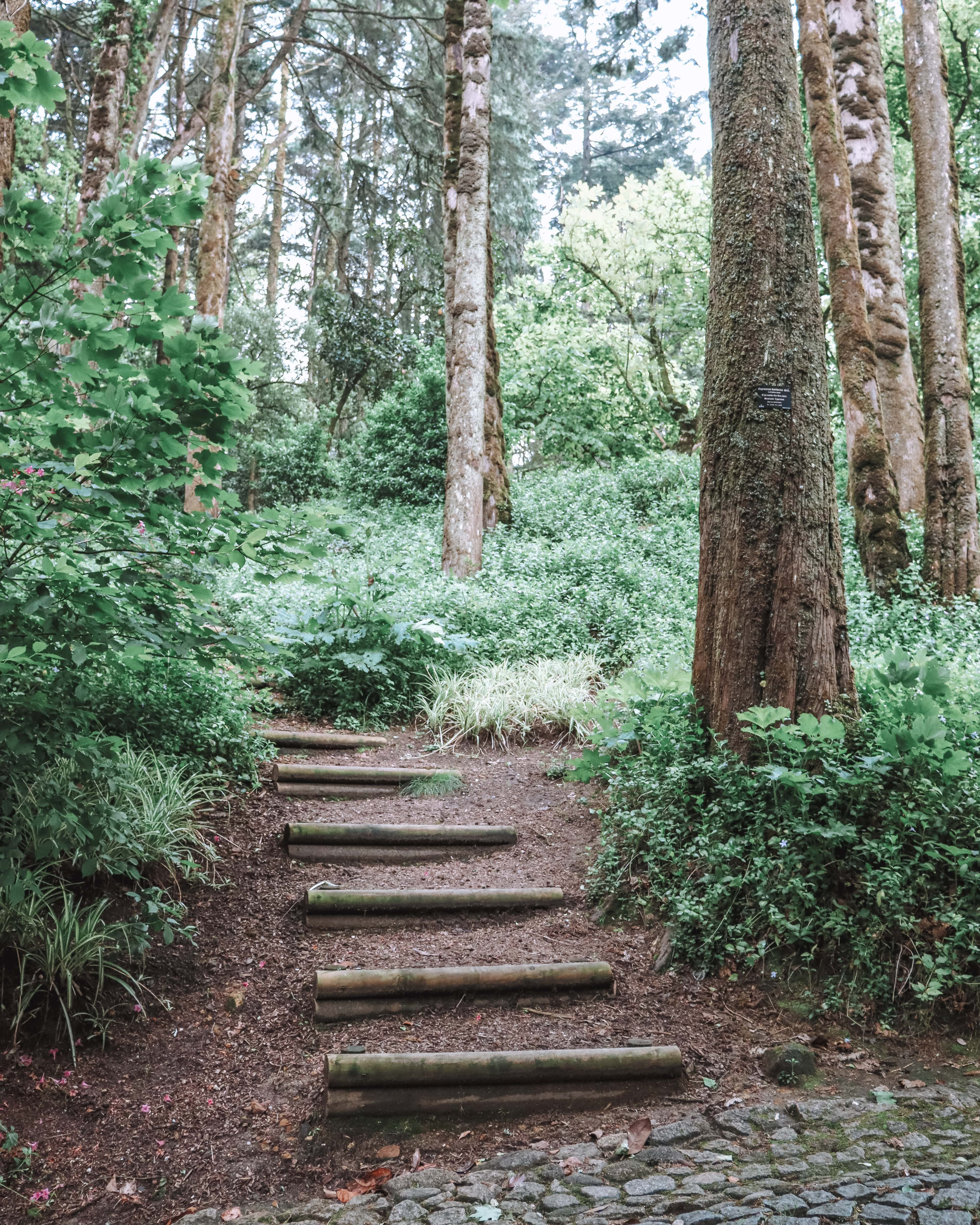
Contém as mais variadas espécies florestais nativas de todos os continentes, que fazem com que os 85 hectares do Parque da Pena se traduzam no mais importante arboreto existente em Portugal. É também considerado o parque da Europa, detentor do mais rico e invulgar conjunto de espécies arbóreas já inexistentes em muitos outros países e continentes donde são originárias.

No parque também existem vários caminhos sinuosos que conduzem o visitante à descoberta de locais de referência e vistas notáveis: a Cruz Alta, o Templo das Colunas, o Alto de Sta. Catarina, a Gruta do Monge, a Fonte dos Passarinhos, a Feteira da Rainha e o Vale dos Lagos.

Curiosidades:

  • O Palácio da Pena foi classificado como Monumento Nacional em 1910 e integra-se na Paisagem Cultural de Sintra, classificada pela UNESCO como Património Mundial da Humanidade desde 1995.
  • O Parque e Palácio Nacional da Pena faz parte da “Rota Europeia de Jardins Históricos”, que integra as “Rotas Culturais do Conselho da Europa” desde 2020.

Dicas:

  • Para visitares o Palácio Nacional da Pena tens 3 opções, sendo que os acessos a este monumento, o trânsito em viatura particular encontra-se condicionado: De autocarro (disponíveis a partir da estação de comboios, do centro histórico ou dos vários parques de estacionamento periféricos da vila de Sintra), de tuk-tuk (muitos deles disponíveis no centro histórico) ou então a pé a partir (sendo que os percursos pedestres estão assinalados desde o centro histórico até ao Palácio Nacional da Pena).
  • Mesmo no verão, leva algum tipo de agasalho, pois na vila o tempo é um e no Palácio, sendo que está localizado a uma maior altitude, costuma fazer algum frio.

Outras sugestões para visitar/ fazer em Sintra:

  • Castelo dos Mouros
  • A vila de Sintra
  • Parque e Palácio de Monserrate
  • Palácio Nacional de Sintra
  • Quinta da Regaleira
  • Chalet e Jardim da Condessa d’Edla
  • Convento dos Capuchos
  • Farol do Cabo da Roca
  • Comer um Travesseiro ou Queijada de Sintra

Já visitaste Sintra? O que mais gostaste?

Espero que tenhas gostado deste artigo!

Com muito amor,

Sofia Gomes.

Situated on the top of Pena Mountain, the Park and National Palace of Pena is one of the greatest examples of the Romantic revival of the 19th century in Portugal. This is the place of dreams for all the generation who have passed here and gazed upon its magnificence. The Palace looks like something out of a fairy tale.

The Palace

The Palace incorporates architectural references of Manueline and Moorish influence that produce a surprising “one thousand and one nights” scenario.

In love with Sintra, King Ferdinand II, the King-Artist, who married Queen Maria II in 1836, decided to acquire an old convent in ruins and the surrounding land to build the royal family’s summer palace.

The second phase of the occupation of Pena was by the Royal Family marked by the presence of King Carlos I (1863-1908) and Queen Amélia de Orleães (1865-1951). It was in Pena Palace that D. Amélia was surprised by the Proclamation of the Republic on October 5, 1910.

The Park

Contains the most varied native forest species from all continents, making the 85 hectares of Pena Park the most important Arboretum in Portugal. It is also considered to be the park of Europe, holding the richest and most unusual set of tree species that do not exist in many other countries and continents from which they originate.

Several winding paths in the park lead visitors to discover landmarks and remarkable views: the High Cross, the Temple of Columns, the Alto de Sta. Catarina, the Monk’s Cave, the Source of the Birds, the Feteira da Rainha, and the Lakes Valley.

Curiosities

The Palace of Pena was classified as a National Monument in 1910 and is part of the Cultural Landscape of Sintra, classified by UNESCO as a World Heritage Site since 1995.

The Park and National Palace of Pena are integrated into the “European Route of Historic Gardens” within the “Cultural Routes of the Council of Europe” since 2020.

Tips

  • To visit the Pena National Palace, you have 3 options since the access to this monument, traffic by private cars is conditioned. You can go by bus (available from the train station, the historical centre or the various parking lots on the outskirts of the town of Sintra), by tuk-tuk (many of them available in the historical centre) or then on foot (with walking routes being marked from the historical centre to the Pena National Palace).
  • Even in summer, take some kind of coat, because the weather in the village is hot and in the Palace, which is located at a higher altitude, it is usually a bit cold.

Other suggestions to visit/do in Sintra:

  • The Moorish Castle
  • The Town of Sintra
  • Park and Palace of Monserrate
  • National Palace of Sintra
  • Quinta da Regaleira
  • Chalet and Garden of the Countess of Edla
  • Convent of the Capuchos
  • Lighthouse at Cabo da Roca
  • Eating a Travesseiro or Queijada de Sintra

I hope you enjoyed this article!

Have you ever visited Sintra? What did you like the most?

With love,

Sofia Gomes

Serra Arrábida: Roteiro de um dia

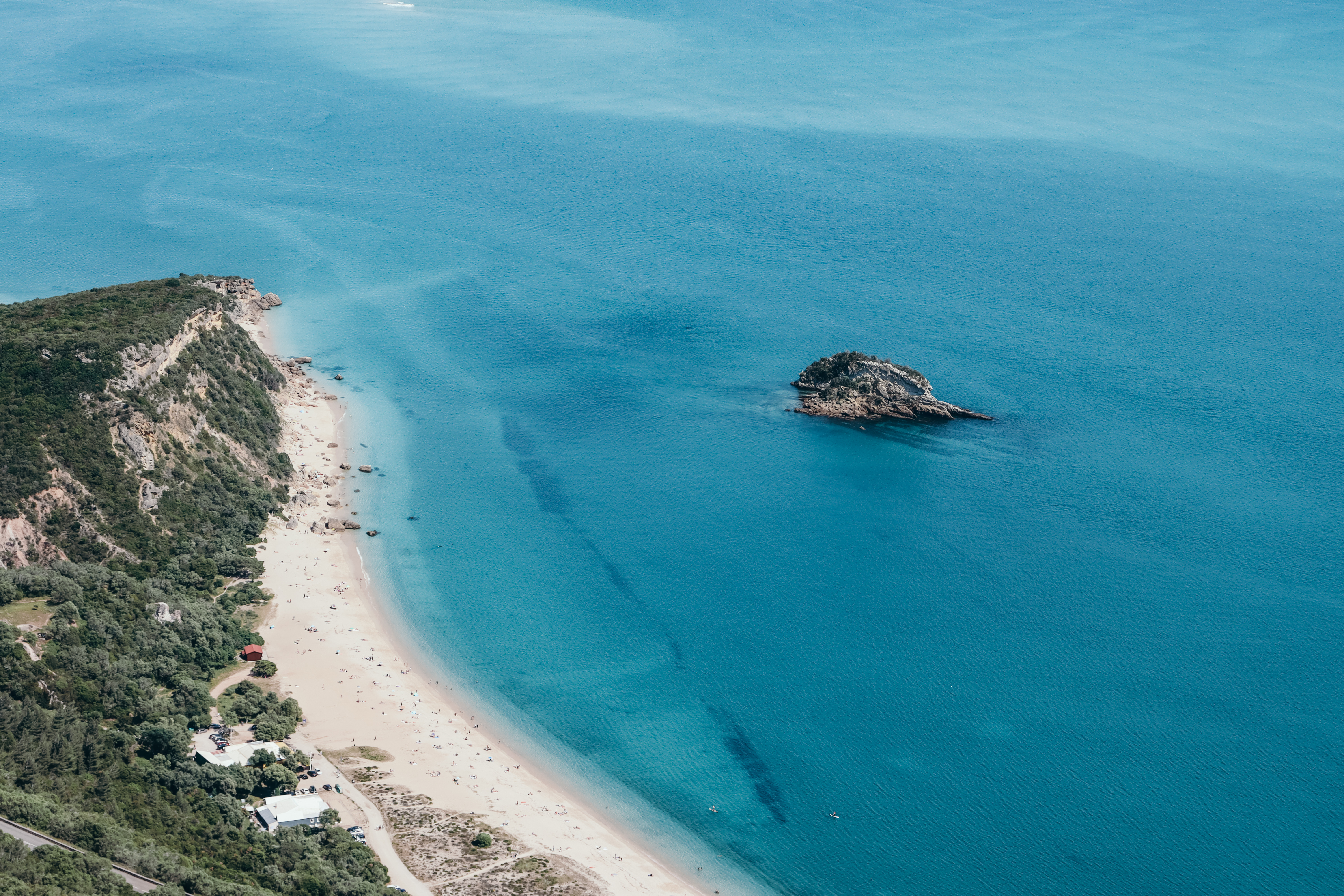
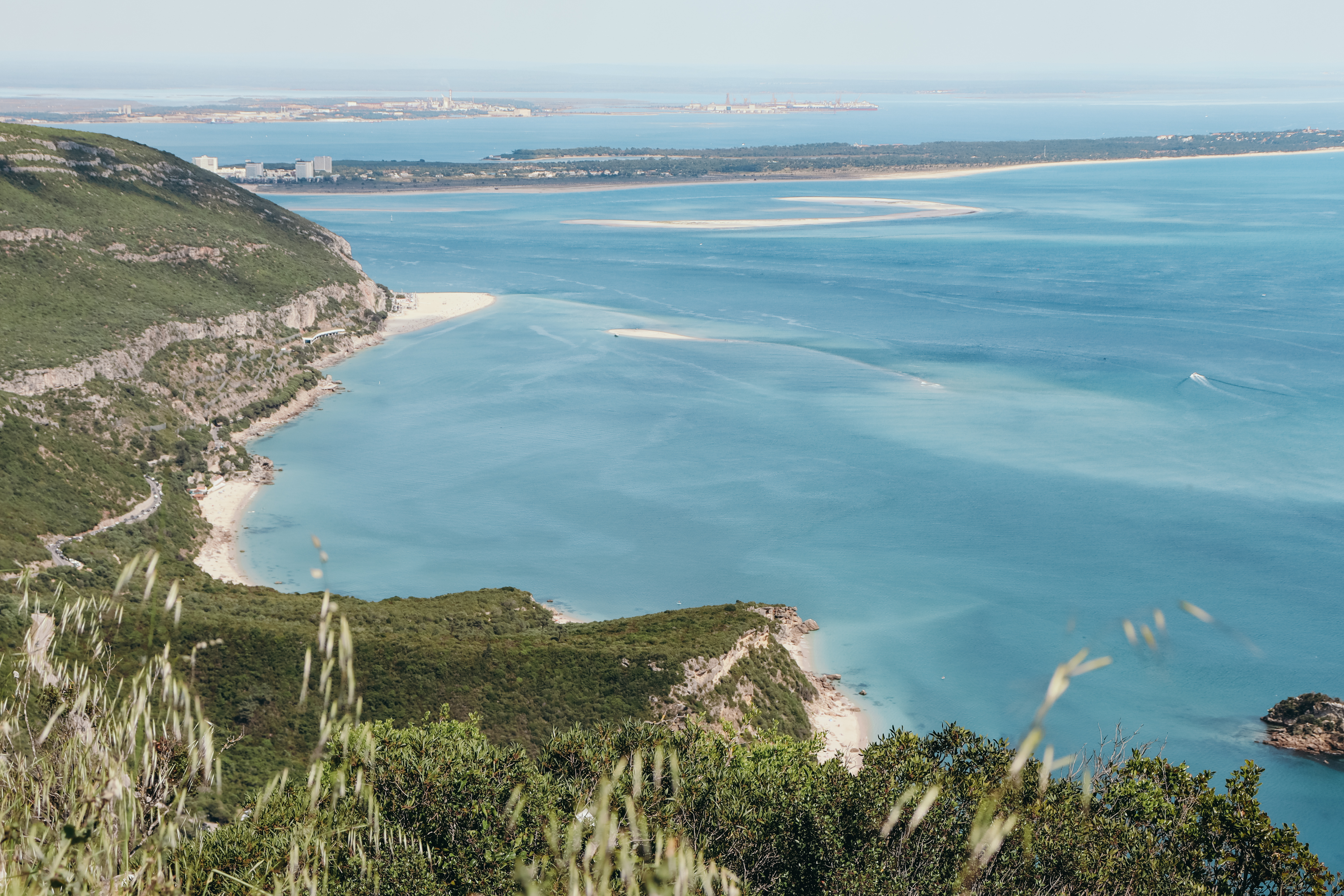
Neste artigo vou falar daquilo que podes visitar num roteiro de um dia: Vais ter a oportunidade de encontrar vários trilhos para percorreres, vais puder mergulhar nas várias praias de água cristalina e ainda comtemplar paisagens magnificas nos diversos miradouros espalhados pela serra.

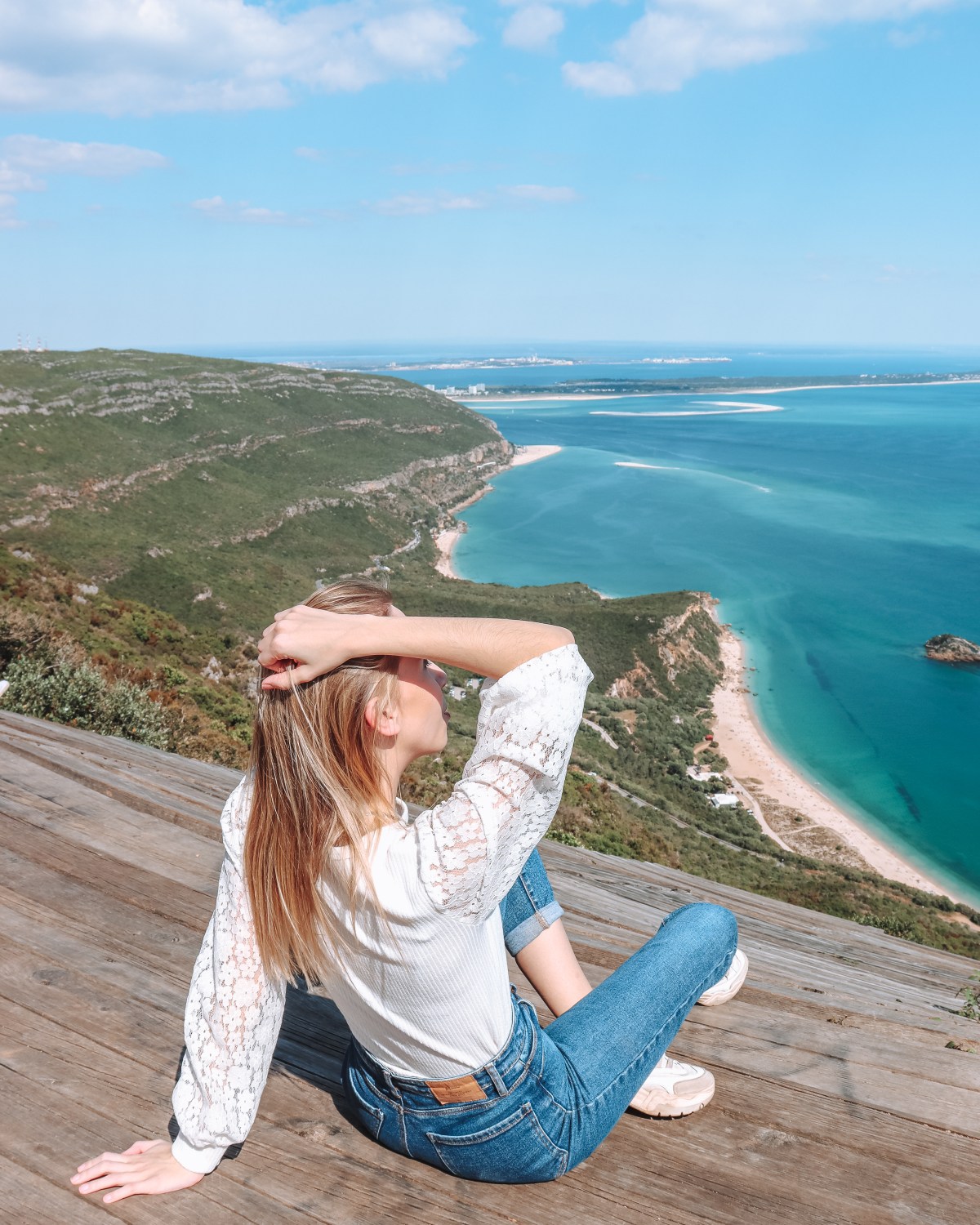
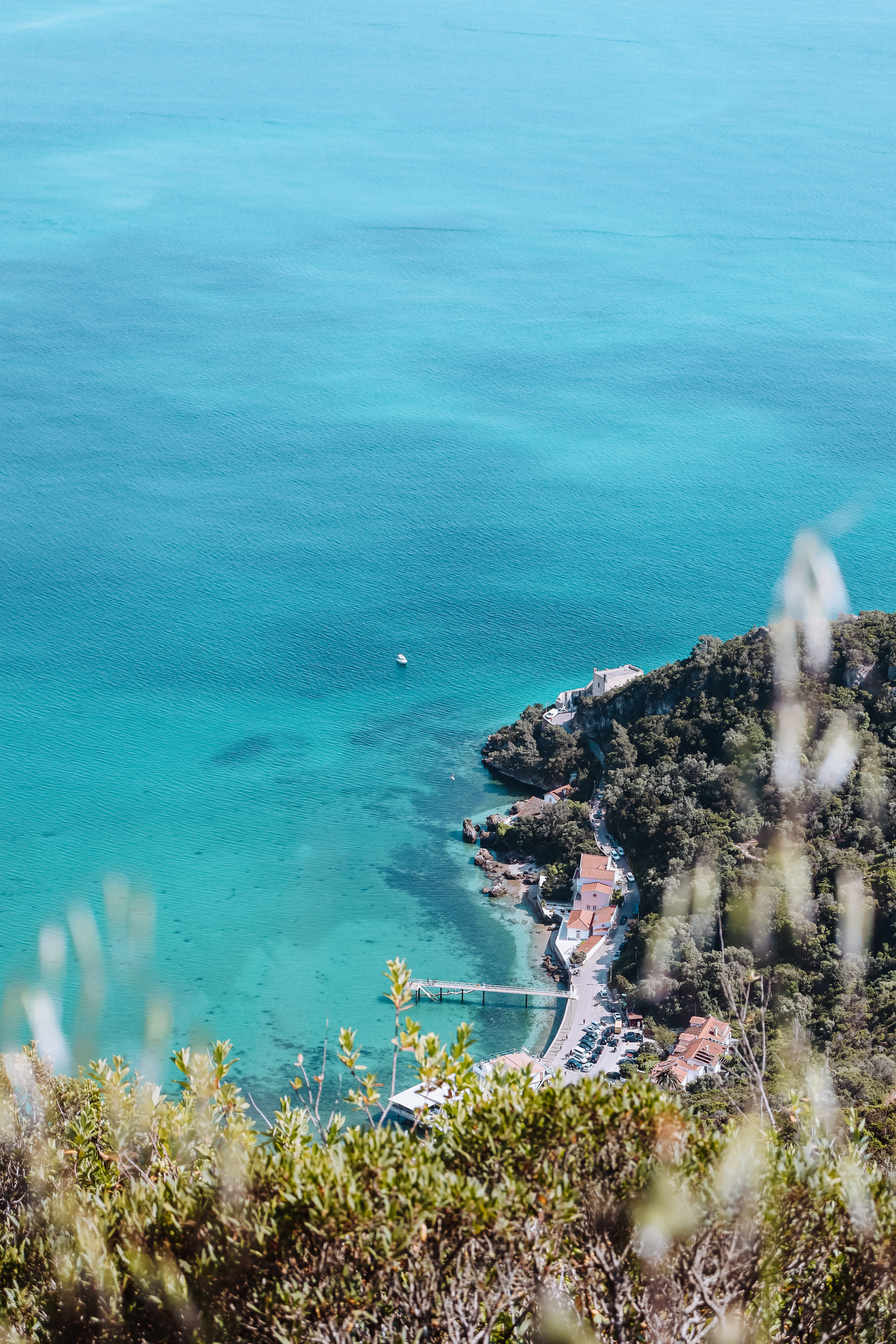
A 40 minutos do centro histórico de Lisboa, localizada na margem sul do Rio Tejo, encontra-se a Serra da Arrábida. Na minha opinião, um dos destinos mais completos de Portugal.

A Serra da Arrábida, em Setúbal, é um verdadeiro paraíso para os amantes de natureza e de praia. Neste artigo vou falar daquilo que podes visitar num roteiro de um dia: Aqui vais ter a oportunidade de encontrar vários trilhos para percorreres, vais puder mergulhar nas várias praias de água cristalina e ainda comtemplar paisagens magnificas nos diversos miradouros espalhados pela serra.

Informação importante: A circulação de carros entre Setúbal e as Praias da Serra da Arrábida está condicionada durante os meses de verão, mais precisamente entre 15 de junho e 15 de setembro, por isso, caso queiras visitar as praias, tens de ir de autocarro desde a cidade de Setúbal ou então podes deixar o carro estacionado, na fábrica da SECIL ou na praia da Figueirinha e apanhar o autocarro a partir destes pontos.

O que visitar na Serra da Arrábida?

Ficam aqui algumas sugestões daquilo que podes visitar na Serra da Arrábida num roteiro de um dia.

  • Miradouro do Portinho da Arrábida
  • Sétima Bataria do Regimento de Artilharia de Costa
  • Convento da Nossa Senhora da Arrábida
  • Lapa de Santa Margarida
  • Praia do Portinho da Arrábida
  • Praia dos Coelhos
  • Praia dos Galapinhos

Já visitaste a Serra da Arrábida?

Se sim, o que é que achaste? Se não, gostavas de visitar?

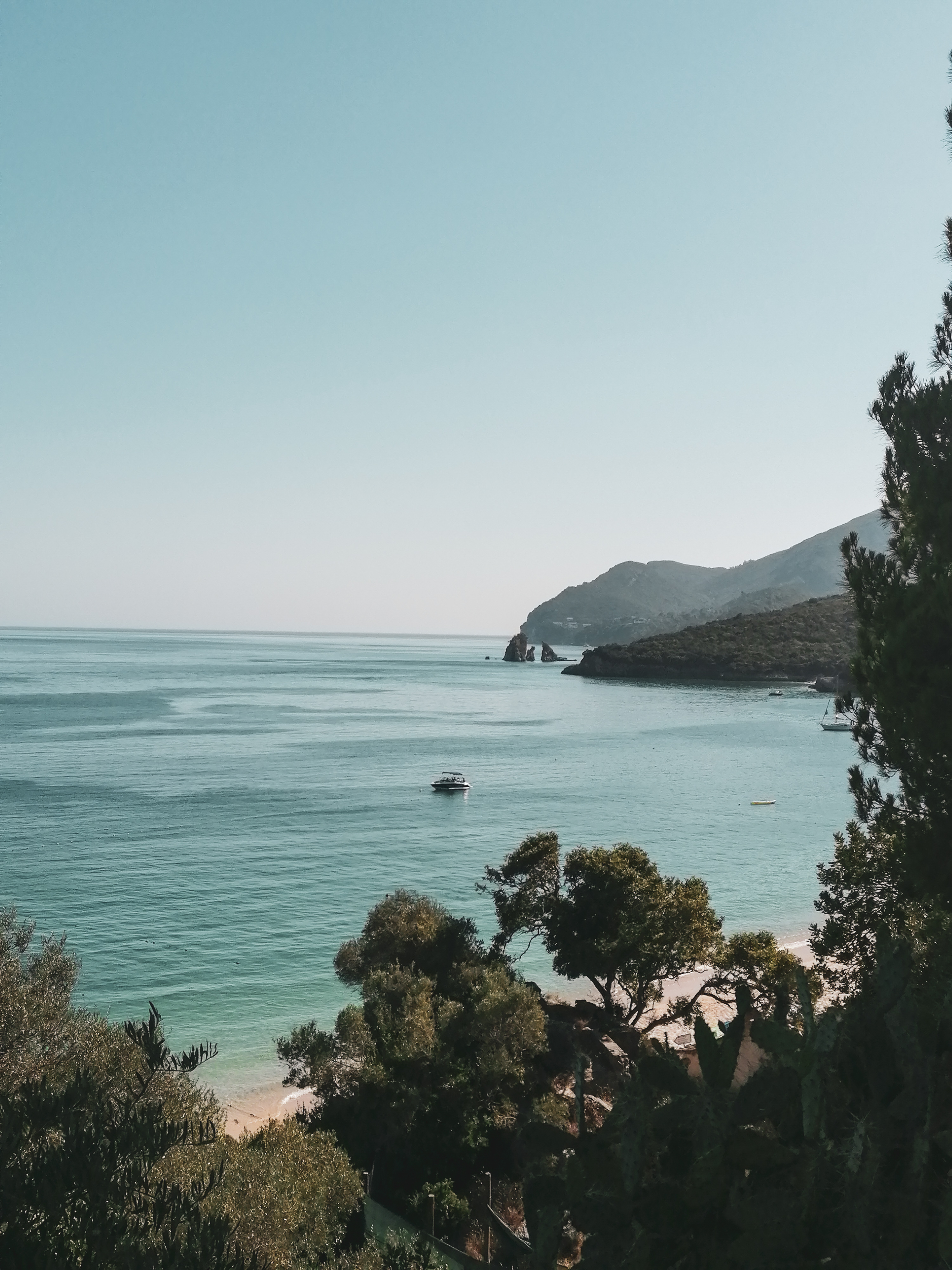
Deixo aqui algumas fotografias do passeio que fiz para te inspirarem!

Espero que tenhas gostado deste artigo 😊

Com muito amor,

Sofia Gomes.

40 minutes away from the historic centre of Lisbon, located on the south bank of the Tagus River, is the Serra da Arrábida. In my opinion, one of the most complete places to visit in Portugal.

Serra da Arrábida, in Setúbal, is a true paradise for nature and beach lovers. Here you will have the opportunity to find several trails to follow. You will be able to dive into the several beaches with crystal clear water and still contemplate magnificent landscapes in the several viewpoints scattered around the mountain.

Important information: The circulation of cars between Setúbal and the beaches of Serra da Arrábida is restricted during the summer months, more precisely between June 15th and September 15th, so if you want to visit the beaches, you will have to take the bus from the city of Setúbal, or you can leave the car parked at SECIL factory or Figueirinha beach and take the bus from there.

What to visit?

Here are some suggestions of what you can visit in Arrábida in a one-day itinerary.

  • Portinho da Arrábida’s viewpoint
  • Seventh Battalion of the Regiment of Coast Artillery
  • Convent of Nossa Senhora da Arrábida
  • Lapa of Santa Margarida
  • Portinho da Arrábida Beach
  • Coelhos Beach
  • Galapinhos Beach


Have you ever visited the Arrábida Mountain?

If yes, what did you think? If not, would you like to visit?

I hope you enjoyed this article 😊

With love,

Sofia Gomes.

Norte de Itália: Uma viagem sem planos

Norte de Itália: Roteiro de uma viagem sem planos, por 2 semanas, com paragem em Verona, Florença, Milão, Pádua, Veneza e Pisa. Neste artigo vou falar sobre o que visitar em cada cidade e vou dar dicas essenciais para quem optar viajar para este destino.

Esta semana vou falar de uma das minhas viagens preferidas. Sem dúvida, há viagens que nos marcam e esta foi uma delas, não só pela quantidade de locais maravilhosos que tive a oportunidade de ver, mas também pela duração da mesma.

O destino era visitar o Norte de Itália, mas até lá chegar… De Lisboa viajei até ao Porto, do Porto apanhei o avião até Lille. De Lille fomos dormir a Antuérpia, pois tenho lá família e a partir daí começou a verdadeira aventura.

Fiz esta viagem com a minha família de carro, sem qualquer hotel marcado, durante o mês de Agosto. Todos os dias visitámos um local novo. Visitei Bruxelas, Bruges, Ghent, Midelburgo, Reims, Lugano, Milão, Verona, Pádua, Veneza, Florença e Pisa.

Hoje vou dar enfâse ao Norte de Itália e ao que visitei, pois foi esse o principal objetivo desta viagem, assim como algumas dicas que possam ser úteis para vocês.

Sugestões do que ver num dia em cada local:

Verona

Verona foi uma cidade que me deixou bastante surpresa até porque não estava nos planos visitá-la. Aqui sem dúvida que tens de:

  • Passear pela Piazza Bra, onde vais puder encontrar um arco com um relógio que pertencia à muralha da cidade.
  • Ver a Arena de Verona, um anfiteatro romano, conhecido pelas monumentais produções de ópera que aí são apresentadas.
  • Piazza Delle Erbe é considerada o coração de Verona. Originalmente um fórum romano, atualmente está rodeada de cafés e alguns dos edifícios mais luxuosos da cidade, incluindo o Palazzo Maffei. Na praça também se encontra o arco monumental conhecido como Arco da Costa.
  • A Casa de Julieta, na Via Cappello, localizada no centro histórico da cidade, fica o atrativo principal da cidade. Neste local podes explorar as acomodações da Casa de Julieta. Além disso, dizem que se tocares no seio da estátua da Julieta que se encontra à entrada da casa, vais ter sorte no casamento. As paredes do local estão preenchidas de bilhetes amorosos de pessoas que por ali passaram.
  • Ponte Scaligero (Ponte di Castelvecchio), um dos mais belos postais. É também considerada a obra mais ousada e admirável da Idade Média da cidade.

Florença

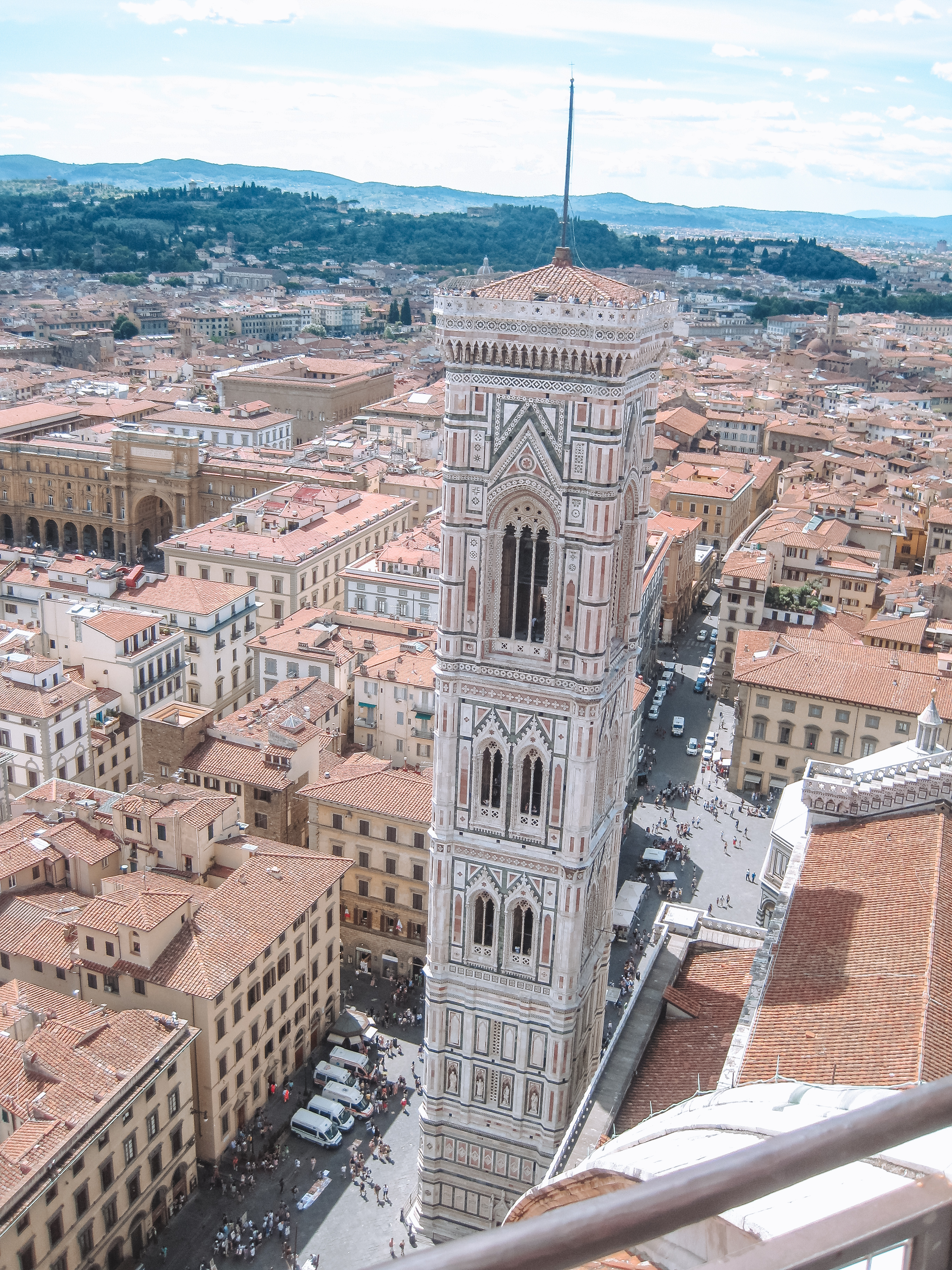
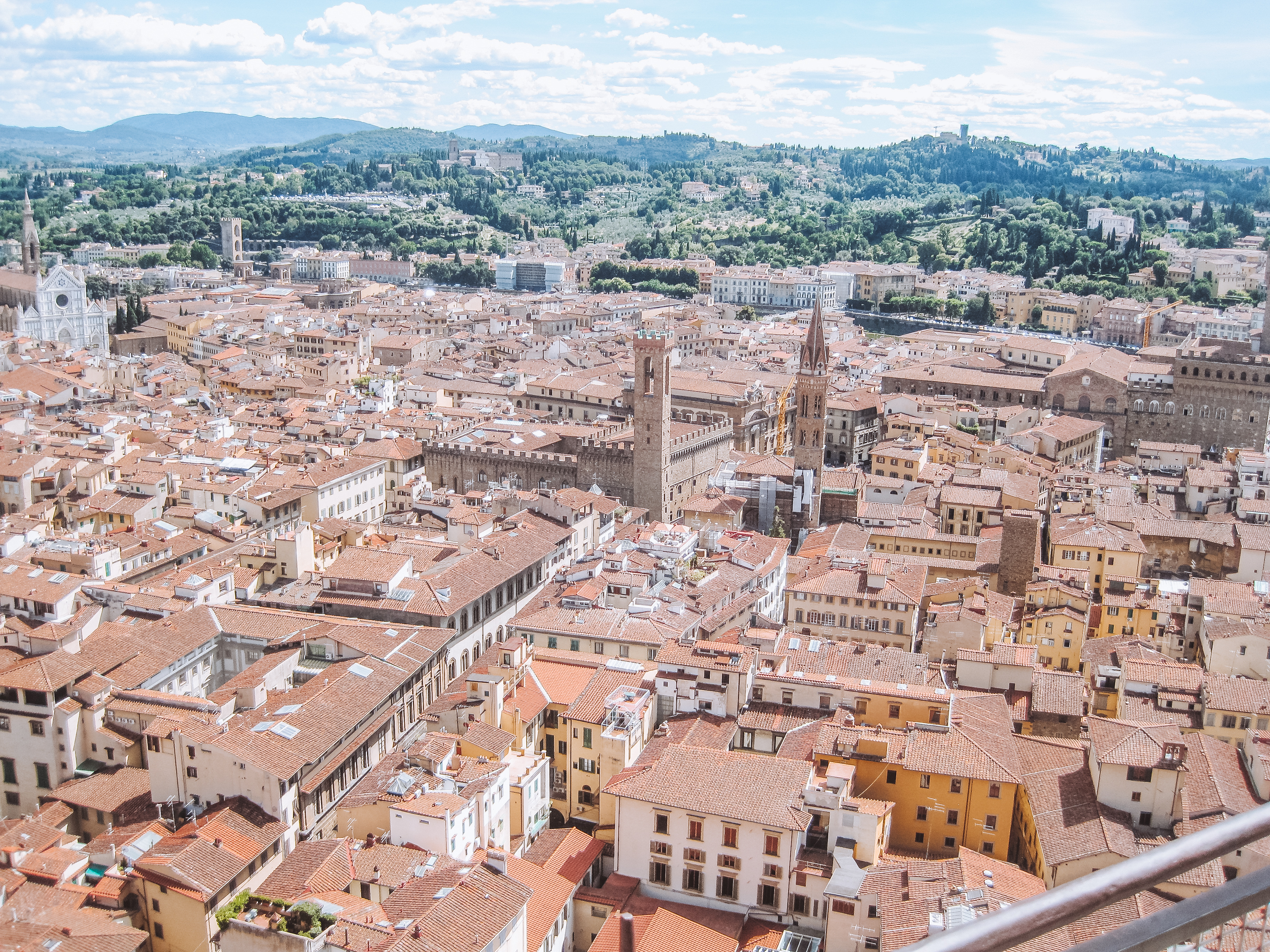
  • Catedral Santa Maria Del Fiore, Duomo, é um dos símbolos de Florença. Se não sofres de claustrofobia, de ataques de pânico ou de vertigens, lanço-te o desafio de subir à cúpula onde vais ter a oportunidade de apreciar uma vista inesquecível da cidade e das colinas em redor.
  • Ponte Vecchio, é o símbolo do romantismo que inunda a cidade. As origens da ponte remontam o ano de 1345, o que faz dela a ponte de pedra mais antiga da Europa. Aqui vais ter a oportunidade de ver as várias lojas que foram ocupadas por joalheiros e ourives.
  • David, o símbolo de Florença e uma obra-prima da arte italiana, a obra original esculpida pelas mãos do verdadeiro Michelangelo está na Galleria dell’Accademia. No entanto existem mais duas réplicas – uma na entrada da Galeria e outra e na Piazzale Michelangelo.
  • Piazza San Giovanni, está localizada em frente ao Duomo, onde vais apreciar a fachada da catedral de Florença.
  • Piazzale Michelangelo, aqui vais ter a oportunidade de ver a vista mais impressionante de Florença.

Milão

  • Praça do Duomo é a praça principal Milão. Aqui está localizada a famosa catedral e grande parte dos pontos turísticos da cidade. Em frente ao Duomo, há uma estátua em homenagem ao Vittorio Emanuelle II.
  • Galleria Vittorio Emanuele II é uma elegante arcada de compras do século XIX. Aqui vais encontrar algumas das boutiques mais luxuosas de Milão e restaurantes. Na cúpula central vais ter a oportunidade de ver um mosaico deslumbrante que representa os diferentes continentes.
  • Via Dante, é uma das ruas mais importantes e elegantes de Milão.
  • Castelo Sforzesco, um dos monumentos mais importantes de Milão. Este castelo é um símbolo dos momentos históricos, tristes e felizes da cidade. Com o tempo foi demolido, reconstruído, restaurado, funcionou como casa e fortaleza.
  • A Última Ceia do Leonardo da Vinci está no seu lugar original, na parede da sala de jantar do antigo convento dominicano de Santa Maria delle Grazie e é uma das obras de arte mais célebres e conhecidas no mundo.

Pádua

  • Basilica Pontificia di Sant’Antonio di Padova, é a igreja mais importante da cidade e uma das maiores e mais visitadas no mundo. Santo António nasceu e viveu em Lisboa e morreu a 13 de junho de 1231, em Arcella, perto de Pádua, e é por essa razão que 13 de junho passou a ser o Dia de Santo António. No ano seguinte, a cidade de Pádua decidiu edificar uma Basílica em sua honra. Existe uma grande rivalidade entre Lisboa e Pádua relativamente a evocarem o santo como o símbolo único de cada uma destas cidades.
  • Cappella degli Scrovegni, é uma capela que contém uma das maiores obras-primas da história da pintura italiana e europeia do século XIV. É considerada a série mais completa de frescos pintados por Giotto.
  • Giardini dell’Arena, é um conjunto de jardins famosos por um anfiteatro romano e pela capela “Cappella degli Scrovegni”. Várias são as antigas estruturas e exposições florais decoram o parque.
  • Pratto della Valle, aqui vais encontrar um canal elíptico artificial que rodeia uma ilha, chamada Isola Memmia em homenagem a quem a criou. Nas margens deste canal, vais encontrar um total de 78 estátuas (40 na margem interna, 38 na externa) que representam figuras famosas ligadas a Pádua, tais como artistas, estudiosos, guerreiros, e antigos líderes da cidade.
  • Piazza del Duomo, aqui vais ter acesso a um complexo histórico e arquitetonicamente significativo de importantes edifícios eclesiásticos.
  • Piazza dei Signori, uma das praças mais importantes de Pádua, tem sido um local de festividades municipais e eventos ao ar livre desde a Idade Média. Está rodeada por edifícios históricos de diferentes épocas. É possível ver os restos de decorações góticas e renascentistas.

Veneza

  • Piazza San Marco, é a praça que concentra inúmeros atrativos turísticos.

Aqui vais encontrar a Catedral de São Marco, imponente e exótica, que chama a atenção de qualquer pessoa. Hoje, é umas das principais igrejas de Veneza, considerada uma obra prima da arte bizantina.

A Torre do Relógio de S. Marcos é um dos prédios mais bonitos da cidade, devido ao seu relógio que é considerado uma obra-prima da tecnologia e engenharia e tem duas estátuas, o Leão de São Marcos e a Virgem Maria com o Menino Jesus.

O Campanile de San Marcos é o campanário da Basílica de São Marcos. Com 98,5 metros de altura, é o edifício mais alto da cidade e oferece uma bela vista de Veneza. A torre original servia como farol para os navegantes, além de ser um campanário. Depois de várias restaurações, adquiriu sua forma atual em 1515.

O Palácio Ducal (Palazzo Ducale) também chamado de Doge’s Palace (Palácio do duque) é um símbolo da cidade de Veneza e uma obra-prima do gótico veneziano.

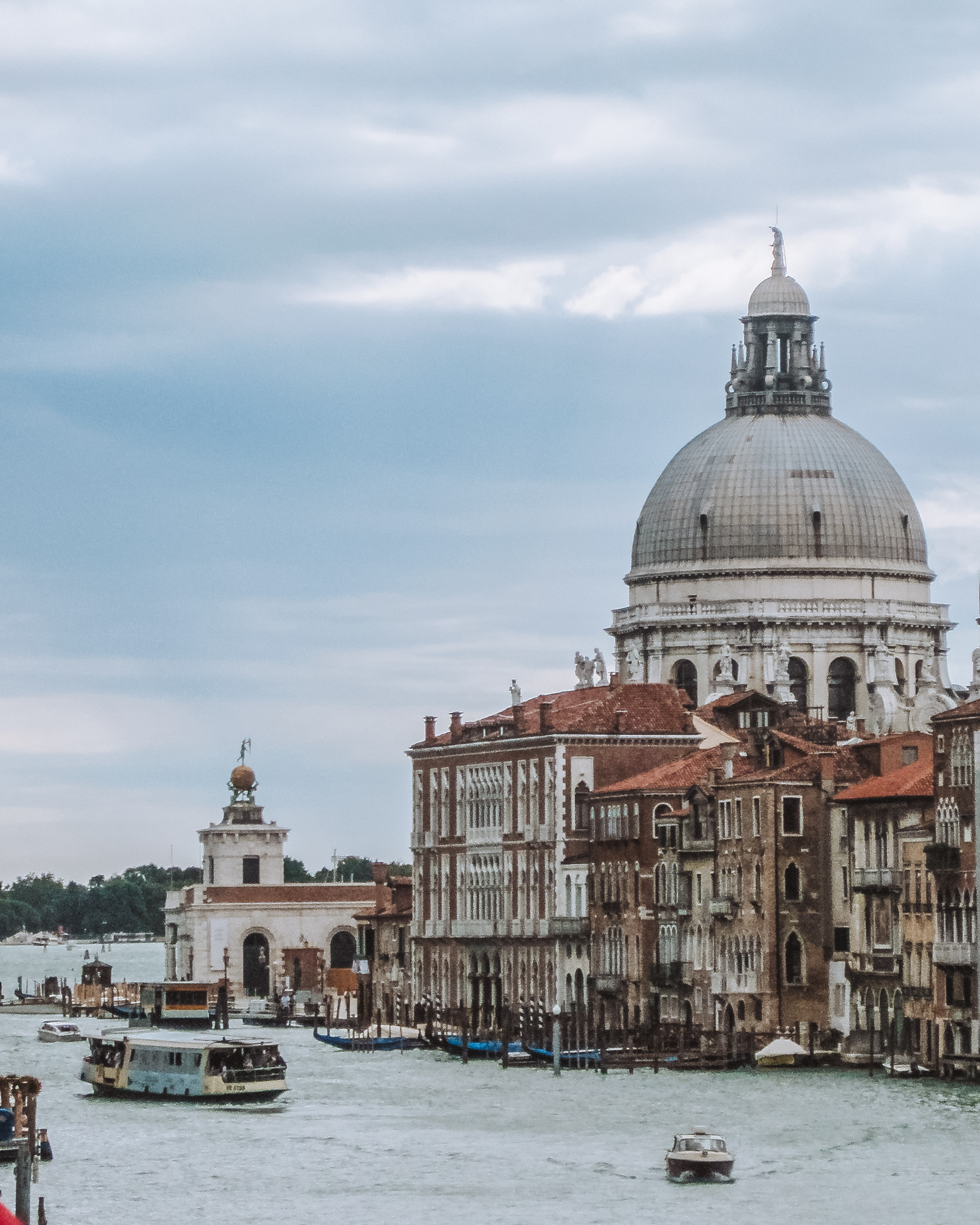
  • Canal Grande é o maior e mais importante de todos os canais de Veneza com 4 km de comprimento percorrem Veneza dividindo a cidade em duas partes. Liga a Piazza San Marco, a Ponte Rialto e os pontos de chegada da cidade.
  • Ponte Rialto, o monumento é um dos principais cartões postais de Veneza, juntamente com a Ponte dos Suspiros e a Praça São Marcos.
  • Ponte dos Suspiros (Ponte dei Sospiri), construída no início do século XVII, entre 1600 e 1602, servia de ligação entre o Palácio dos Doges, com salas de interrogatório e as chamadas velhas prisões e as novas prisões. Existem duas histórias em relação a esta ponte, uma é que quando os reclusos eram levados para as respetivas celas soltavam um suspiro ao olhar pela última vez para a paisagem de Veneza e o mundo exterior, através das minúsculas janelas da ponte. Outra história é que se um casal der um beijo no exato momento em que atravessa a ponte de gôndola, na altura do pôr-do-sol, o seu amor durará para sempre.

Pisa

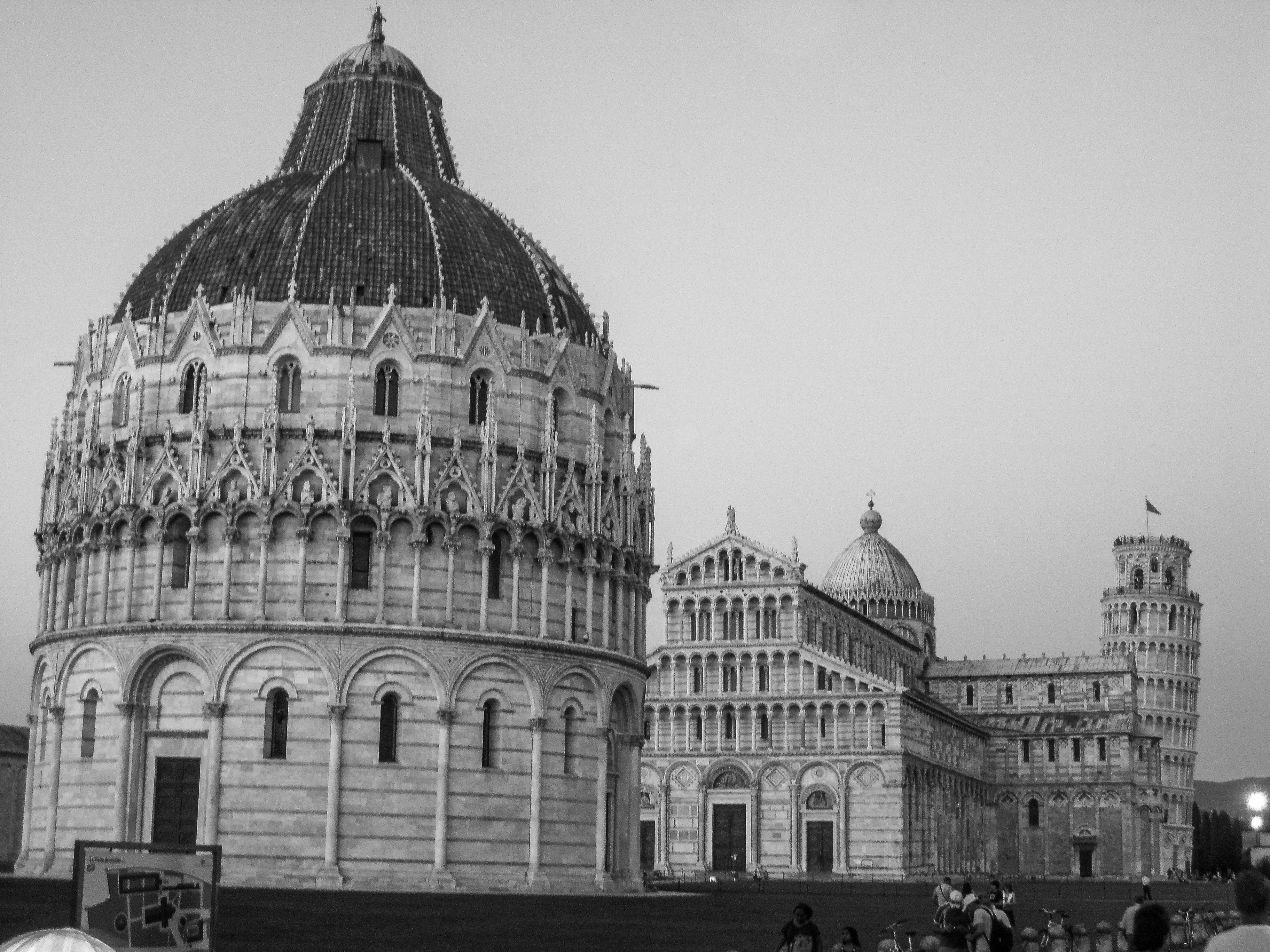
Os monumentos mais famosos da cidade concentram-se na Piazza dei Miracoli, Praça dos Milagres. Este complexo arquitetónico foi declarado Património da Humanidade pela UNESCO em 1987. Aqui vais ter oportunidade de ver os três monumentos religiosos mais importantes da cidade: o campanário, conhecido como a Torre Inclinada, a catedral ou Duomo e o Batistério.


Dicas

  • Se fores no Verão leva roupa fresca, pois em Itália as temperaturas são muito elevadas.
  • Leva um calçado confortável.
  • Não te esqueças que Itália é um país católico e por isso deves de ter em atenção que podes ser barrado(a) à entrada das Igrejas caso tenhas saias ou calções muito curtos e ombros à mostra. Contudo há sempre alguém à entrada das Igrejas a vender écharpes.

Espero que tenham gostado!

Com muito amor,

Sofia Gomes

This week I’m going to talk about one of my favourite trips. Without a doubt, some trips mark us, and this was one of them, not only for the number of wonderful places I had the opportunity to see but also for its duration.

The destination was Northern Italy, but to get there. From Lisbon, I travelled to Porto, from Porto, I took the plane to Lille. From Lille, we went to sleep in Antwerp because I have family there, and from there, the real adventure began.

I made this trip with my family by car, without any hotel booking, during August. Every day we visited a new place. I visited Brussels, Bruges, Ghent, Midelburg, Reims, Lugano, Milan, Verona, Padua, Venice, Florence and Pisa.

Today I will emphasise Northern Italy and what I visited because that was the main goal of this trip.

Suggestions of what to see in a day at each location:

Verona

Verona was a city that left me quite surprised even because it was not my plans to visit it. Here you have to:

  • Stroll through Piazza Bra, where you will be able to find an arch with a clock that belonged to the city wall.
  • See the Arena of Verona, a Roman amphitheatre known for the monumental opera productions presented there.
  • Piazza Delle Erbe is considered the heart of Verona. Originally a Roman forum, it is now surrounded by cafes and some of the city’s most luxurious buildings, including Palazzo Maffei. The square is also home to the monumental arch known as the Coastal Arch.
  • The city’s main attraction is Juliet’s House, on Via Cappello, located in the city’s historic centre. Here you can explore the accommodations of Juliet’s House. Besides, if you touch the breast of Juliet’s statue that stands at the house entrance, you will be lucky in marriage. The walls of the place are filled with love notes from people who have passed through there.
  • Ponte Scaligero (Ponte di Castelvecchio), one of the most beautiful postcards. It is also considered the most daring and admirable work of the Middle Ages in the city.

Florence

  • Cathedral Santa Maria Del Fiore, Duomo, is one of the symbols of Florence. Suppose you don’t have claustrophobia, panic attacks or vertigo. In that case, I challenge you to climb the dome where you will have the opportunity to enjoy an unforgettable view of the city and the surrounding hills.
  • Ponte Vecchio is the symbol of the romanticism that floods the city. The origins of the bridge date back to 1345, making it the oldest stone bridge in Europe. Here you will have the opportunity to see the various stores that jewellers and goldsmiths once occupied.
  • David, The Symbol of Florence and a masterpiece of Italian art, the original work carved by the real Michelangelo’s hands is in the Galleria dell’Accademia. However, there are two more replicas – one at the Galleria entrance and another and in Piazzale Michelangelo.
  • Piazza San Giovanni is in front of the Duomo, where you will appreciate Florence’s cathedral facade.
  • Piazzale Michelangelo is where you will have the opportunity to see the most impressive view of Florence.

Milan

  • Duomo Square is Milan’s main square. Here is located the famous cathedral and most of the sights of the city. In front of the Duomo, there is a statue in honour of Vittorio Emanuelle II.
  • Galleria Vittorio Emanuele II is an elegant 19th-century shopping arcade. Here you will find some of Milan’s most luxurious boutiques and restaurants. In the central dome, you will have the opportunity to see a stunning mosaic representing the different continents.
  • Via Dante is one of the most important and elegant streets in Milan.
  • Sforzesco Castle is one of the most important monuments in Milan. This castle is a symbol of the historical, sad and happy moments of the city. Over time it was demolished, rebuilt, restored, functioned as a house and a fortress.
  • Leonardo da Vinci’s Last Supper is in its original place, on the wall of the dining room of the former Dominican convent of Santa Maria Delle Grazie and is one of the most famous and well-known works of art in the world.

Padua

  • Basilica Pontificia di Sant’Antonio di Padova is the most important church in the city and one of the world’s largest and most visited. Saint Anthony was born and lived in Lisbon and died on June 13, 1231, in Arcella, near Padua, and that is why June 13 became Saint Anthony’s Day. The following year the city of Padua decided to build a Basilica in his honour. There is a great rivalry between Lisbon and Padua regarding evoking the saint as a unique symbol.
  • Cappella Degli Scrovegni is a chapel containing one of the greatest masterpieces in the history of Italian and European painting of the 14th century. It has a series of frescoes painted by Giotto.
  • Giardini dell’Arena, is a set of gardens famous for a Roman amphitheater and the chapel “Cappella degli Scrovegni”. Several are the ancient structures, and floral displays decorate the park.
  • Prato Della Valle, here you will find an artificial elliptical canal surrounding an island called Isola Memmia in honour of the person who created it. On the banks of this canal, you will find a total of 78 statues (40 on the inner bank, 38 on the outer bank) representing famous figures connected to Padua, such as artists, scholars, warriors, and former leaders of the city.
  • Piazza del Duomo is where you will access a historically and architecturally significant complex of important ecclesiastical buildings.
  • Piazza Dei Signori, one of Padua’s most important squares, has been a municipal festivities and outdoor events since the Middle Ages. It is surrounded by historical buildings from different eras where you can see Gothic and Renaissance decorations’ remains.

Venice

  • Piazza San Marco is a square that concentrates on numerous tourist attractions.

Here you will find the Cathedral of San Marco, imposing and exotic, which draws anyone’s attention. Today it is one of the main churches in Venice, considered a masterpiece of Byzantine art.

The Clock Tower of San Marco is one of the most beautiful buildings in the city, due to its clock that is considered a masterpiece of technology and engineering and has two statues, the Lion of San Marco and the Virgin Mary with the Baby Jesus.

The Campanile di San Marcos is the belfry of St. Mark’s Basilica. At 98.5 meters high, it is the tallest building in the city and offers a beautiful Venice view. The original tower served as a beacon for sailors, as well as being a belfry. After several restorations, it acquired its present form in 1515.

The Ducal Palace (Palazzo Ducale), also called Doge’s Palace (Duke’s Palace), is a symbol of Venice’s city and a Venetian Gothic masterpiece.

  • Grand Canal is the largest and most important of all Venice’s canals. It is 4 km long and runs through Venice, dividing the city into two parts. It connects Piazza San Marco, the Rialto Bridge and the city’s arrival points.
  • Rialto Bridge, the monument, is one of Venice’s main postcards, along with the Bridge of Sighs and St. Mark’s Square.
  • Bridge of Sighs (Ponte Dei Sospiri), built in the early 17th century, between 1600 and 1602, served as a connection between the Doge’s Palace, interrogation rooms and the so-called old prisons and the new prisons. There are two legends about this bridge. When prisoners went to their cells, they would let out a sigh as they would take one last look at the Venetian landscape. Another story is that if a couple kisses just as they cross the gondola bridge at sunset, their love will last forever.

Pisa

The city’s most famous monuments are in Piazza Dei Miracoli, Miracle Square. This architectural complex was declared a World Heritage Site by UNESCO in 1987. Here you will have the opportunity to see the three most important religious monuments of the city: the belfry, known as the Leaning Tower, the cathedral or Duomo and the Baptistery.


Tips

  • If you go in the summer take cool clothes, the temperatures are very high in Italy.
  • Wear comfortable shoes.
  • Don’t forget that Italy is a catholic country, so you should be aware that you can be stopped by the security when entering a church if you are wearing very short skirts or shorts and your shoulders are showing. However, there is always someone at the entrance of the church selling scarves.

Enjoy

xx

Lisboa: Roteiro por uma cidade repleta de magia

Lisboa: Roteiro por uma cidade repleta de magia, com sugestões do que visitar, onde ficar e onde comer. Neste artigo também falo sobre os fatores que deram origem a que existisse um boom turístico na cidade, assim como os prémios que tem vindo a receber ao longo dos anos e a situação atual face ao covid-19.

Por mais cidades que visite Lisboa é a cidade que tem o meu coração, em parte por ser uma das cidades que me viu crescer, mas principalmente pelo desenvolvimento que tem vindo a verificar ao longo dos anos.

Há muitas contradições relativamente ao assunto do desenvolvimento da cidade, pelo lado positivo sabemos a ajuda preciosa do turismo, por outro temos as desvantagens que trouxe aos seus residentes devido ao aumento da inflação e à movimentação provocada nos bairros tradicionais que eram só residenciais.

Contudo Lisboa é uma cidade que tem tudo. Tem uma grande diversidade cultural, cada rua conta uma história diferente, dispõe de várias atrações, monumentos, museus, galerias, a gastronomia da cidade é inconfundível e a própria cidade é repleta de animação.

O Boom Turístico

O primeiro fator foi a Expo 98, que fez disparar o número de turistas em Lisboa. Contudo, o terrível acidente de 2001, desencorajou muitos turistas a viajar o que fez com que existisse um decréscimo da procura, mas, três anos depois, o Euro 2004 fez com que os números recuperassem o balanço e a tendência foi de crescimento (mesmo com a crise económica vivida em 2008) tanto para a cidade de Lisboa como para a cidade do Porto.

De 2012 para 2013, a imprensa internacional virou os olhos para o turismo português, muito devido a um vídeo promocional lançado em várias redes sociais (https://www.youtube.com/watch?v=Mx-d6mOYjhE) aumentando assim a notoriedade da cidade.

Outro acontecimento que deu uma grande exposição a Lisboa, mas principalmente a Portugal “como um todo” foi o facto de Portugal ter sido o campeão do Campeonato Europeu de Futebol em 2016.

Portugal começou a andar pelas bocas do mundo e atualmente é um destino bastante reconhecido a nível internacional. Apesar dos fatores mencionados anteriormente é importante reter que o crescimento do turismo não foi algo que ocorreu “ de repente”, pois por detrás de estes fatores também foi preciso um grande desenvolvimento de infraestruturas que permitisse ajudar a alavancar os números (o número de hotéis existentes nas cidades, o aumento de companhias aéreas low cost na cidade, redes de transportes, empresas de restauração).

Os prémios

Em consequência destes fatores, começaram a aumentar o número de prémios atribuídos às diversas cidades portugueses. Nomeadamente Lisboa, já foi distinguida várias vezes pelos World Travel Awards (considerados os Óscares do Turismo).

Os mais recentes prémios que conquistou foram os World’s Leading City Break Destination 2020, Europe’s Leading City Tourist Board 2020, World’s Leading City Break Destination 2019, Europe’s Leading City Break Destination 2019, Europe’s Leading City Tourist Board 2019, World’s Leading City Break Destination 2018, World’s Leading City Destination 2018, Europe’s Leading City Destination 2018.

Como a situação do COVID tem prejudicado o turismo

Depois de vários anos em crescimento o covid 19 trouxe consigo uma crise sem precedentes em várias áreas, tendo afetado em grande escala o setor do turismo devido às restrições de movimentação implementadas em todo o mundo. Contudo quando falamos em turismo, não podemos só focar-nos nas grandes empresas, temos também de pensar nas pequenas e médias empresas que neste momento estão completamente devastadas com esta situação, sendo que muitos negócios tiveram mesmo de fechar portas por não conseguirem aguentar os momentos negros que se estão a viver.

No caso de Lisboa, que é o tema deste artigo, atualmente é devastador ver uma cidade que outrora tinha tanta vida, completamente deserta devido à situação que estamos a viver.

Dicas de locais a visitar quando Lisboa abrir portas:

  • Visitar a Baixa-Chiado: O Elevador de Santa Justa, a Rua Augusta, Rua do Ouro, Rua da Prata, a Estátua de Fernando Pessoa e o Largo de Camões.
  • Caminhar pela Praça do Rossio e Restauradores: Onde é possível contemplar a Estação do Rossio.
  • Visitar a Avenida da Liberdade: Considerada os Champes Elysé de Lisboa, onde existem várias lojas.
  • Percorrer o Parque Eduardo VII: No cimo do Parque é possível admirar uma linda vista sobre a cidade.
  • Visitar o Terreiro do Paço: Terreiro do Paço incluindo o Cais das Colunas e percorrer a zona ribeirinha até ao Cais do Sodré.
  • Ir até à zona dos bares na Rua Cor de Rosa.
  • Visitar o Bairro Alto durante a noite para ver a movimentação existente.
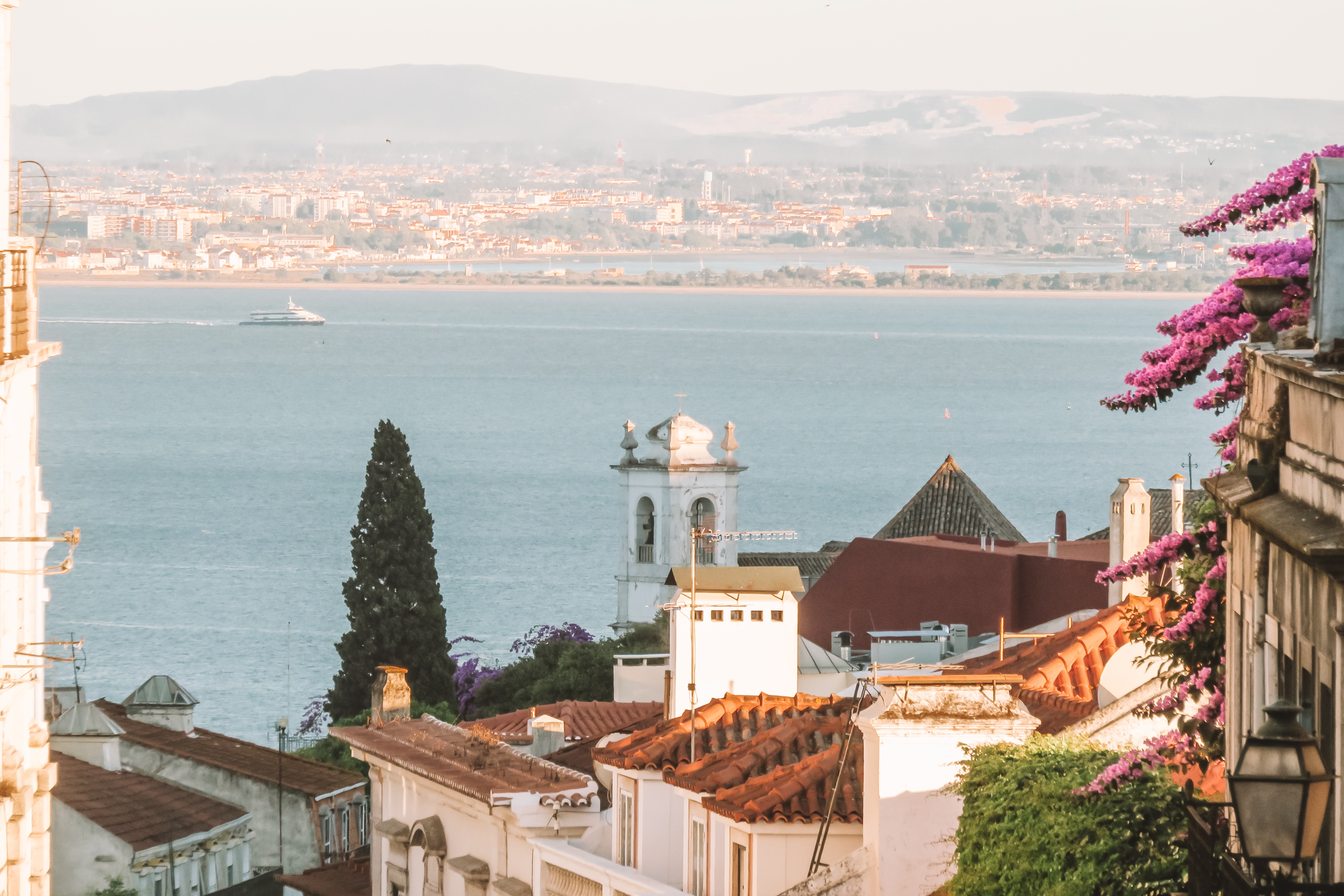
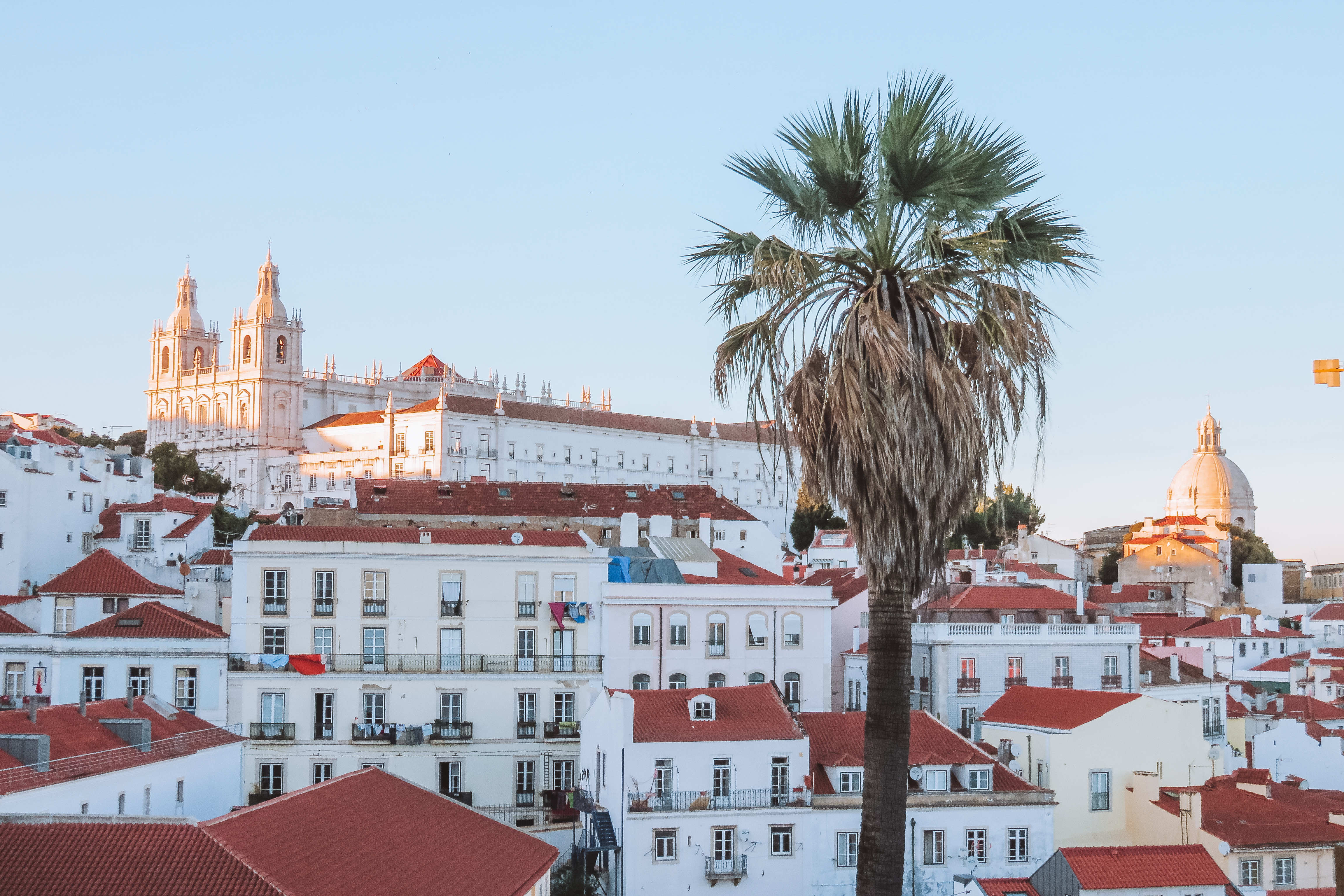

  • Percorrer as ruas de Alfama: Ir até à Graça, visitar o Castelo de São Jorge, o Panteão Nacional, a Sé Catedral, o Museu do Fado, apreciar a paisagem de Lisboa no Miradouro da Graça, Miradouro de Santa Luzia e o Miradouro da Senhora do Monte.
  • Visitar a zona de Belém: Torre de Belém, Padrão dos Descobrimentos, o Mosteiro dos Jerónimos, o Palácio de Belém e o Forte do Bom Sucesso e o Museu dos Combatentes.
  • Visitar a zona moderna da cidade: Parque das Nações onde decorreu a Expo 98.
  • Para aproveitar a praia: Apanhar o comboio na Estação do Cais do Sodré e ir até à Vila de Cascais.
  • Para uma escapadinha romântica dentro da cidade de Lisboa: Visitar Sintra a partir da Estação do Rossio.

Onde ficar?

A cidade tem uma grande oferta de alojamento. Contudo vou deixar-vos aqui 3 opções para terem em consideração localizadas no centro:

  • My Story Hotel Ouro ***

https://www.mystoryhotels.com/mystoryouro/

  • Pestana CR7 Lisboa ****

https://www.pestanacr7.com/pt/hotel/pestana-cr7-lisboa

  • Hotel H10 Duque de Loulé ****

https://www.h10hotels.com/pt/hoteis-lisboa/h10-duque-de-loule

Onde comer?

A comida lisboeta é especialmente assente na cozinha tradicional portuguesa, onde se incluem os petiscos e a acompanhar um bom copo de vinho. Contudo no que diz respeito à “gastronomia lisboeta” não existe um consenso nesta matéria. Apesar disso ficam aqui algumas sugestões de pratos a experimentar:

  • Bacalhau à Brás
  • Bife à Marrare
  • Pataniscas de Bacalhau
  • Fava Rica (sopa)
  • Meia Desfeita (Desfeita de Bacalhau com grão)
  • Meia-Unha (Mão de vaca com grão)

Para sobremesa é obrigatório experimentar os tradicionais Pastéis de Nata cuja receita é um segredo bem guardado pelos mestres pasteleiros da Fábrica dos Pastéis de Belém (onde nasceu a receita).

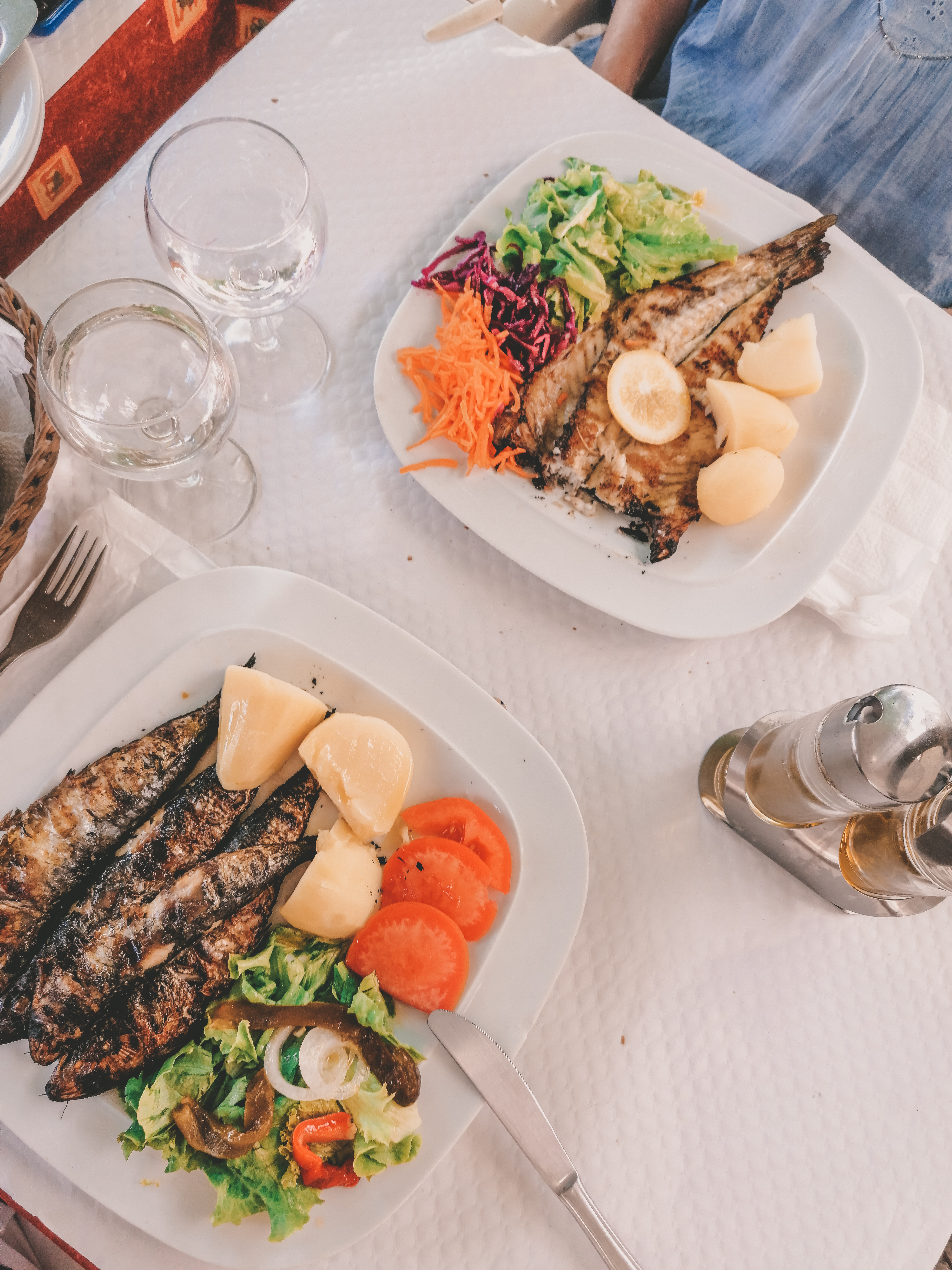
Lisboa é conhecida por ser uma cidade muito assente nas tradições bairristas. Durante a altura dos Santos Populares (no mês de junho) as sardinhas assadas na brasa e as bifanas são o prato de eleição.

Espero que tenham gostado deste artigo!

Com muito amor,

Sofia

I already visited so many cities, but Lisbon is the one that has my heart.

Lisbon is a city that has everything. It has great cultural diversity; each street tells a different story; it has several attractions, monuments, museums, galleries; the city’s gastronomy is unmistakable; it is full of animation.

However, there are many contradictions about the development of the city. The positive side is that tourism has been the main factor for the city’s development. On the other hand, it brought disadvantages to its residents due to the increase in inflation and the movement caused in traditional neighbourhoods that were only for residents.

The Tourist Boom

The first factor was Expo 98, which boosted the number of tourists in Lisbon. However, the terrible accident in 2001 discouraged many tourists from travelling, which meant a decrease in demand. Still, three years later, Euro 2004 helped numbers recover their balance (even with the economic crisis experienced in 2008). Both the city of Lisbon and the city of Porto started to be trending.

From 2012 to 2013, the international press turned its eyes to Portuguese tourism, largely due to a promotional video released on various social networks (https://www.youtube.com/watch?v=Mx-d6mOYjhE), thus increasing awareness of the city.

Another event that gave Lisbon great exposure, but mainly to Portugal “as a whole,” was that Portugal was the champion of the European Football Championship in 2016.

Portugal started to walk around the mouths of the world and is currently a well-recognized destination. Despite the factors mentioned above, it is important to remember that tourism’s growth was not something that happened “suddenly”. It was necessary to have a great investment in developing infrastructures to leverage the numbers of demand and supply (the number of hotels in the cities, the increase in low-cost airlines in the city, transport networks, catering companies).

Awards

As a result of these factors, the number of awards given to the various Portuguese cities increased. Lisbon, in particular, has been distinguished several times by the World Travel Awards (considered the Tourism Oscars). The most recent awards were the World’s Leading City Break Destination 2020, Europe’s Leading City Tourist Board 2020, World’s Leading City Break Destination 2019, Europe’s Leading City Break Destination 2019, Europe’s Leading City Tourist Board 2019, World’s Leading City Break Destination 2018, World’s Leading City Destination 2018, Europe’s Leading City Destination 2018.

How has the covid situation affected tourism?

After several years of growth, covid-19 brought an unprecedented crisis in several areas, especially in what concerns the tourism sector due to the movement restrictions implemented worldwide. However, when we talk about tourism, we have to think about the small and medium enterprises that are completely devastated by this situation. Many businesses had to close their doors for not being able to withstand the dark moments lived.

In Lisbon’s case, which is the subject of this article, it is devastating to see a city that once had so much life completely deserted due to this situation.

Tips for places to visit when Lisbon opens its doors:

  • Visit the Baixa-Chiado: The Elevador de Santa Justa, Rua Augusta, Rua do Ouro, Rua da Prata, the Statue of Fernando Pessoa and Largo de Camões.
  • Walkthrough Rossio Square and Restauradores: Where you can see the Rossio Station.
  • Visit the Liberdade Avenue: Considered the Champs-Élysées of Lisbon, where you can find many stores.
  • Walkthrough the Eduardo VII Park: At the top of the Park, you can admire a beautiful view over the city.
  • Visit Terreiro do Paço: Terreiro do Paço including Cais das Colunas and do walk along the riverfront until Cais do Sodré.
  • Go to the bars area in Pink Street.
  • Visit Bairro Alto at night to see how busy it is.
  • Walk through the streets of Alfama: Go to Graça, visit the Castle of São Jorge, the National Pantheon, the Cathedral, the Fado Museum, appreciate the Lisbon landscape at viewpoints of Miradouro da Graça, Miradouro de Santa Luzia and Miradouro da Senhora do Monte.
  • Visit the Belém area: Torre de Belém, Padrão dos Descobrimentos, Mosteiro dos Jerónimos, Palácio de Belém and Forte do Bom Sucesso and the Museu dos Combatentes.
  • To visit the modern part of the city: Parque das Nações where the Expo 98 was held.
  • To enjoy the beach: Take the train at Cais do Sodré Station and go to Cascais Village.
  • For a romantic getaway inside Lisbon: Visit Sintra by taking a train from Rossio Station.

Where to stay?

The city has a large offer of accommodation, so I will leave you here 3 options to consider located in the centre:

  • My Story Hotel Ouro ***

https://www.mystoryhotels.com/mystoryouro/en/

  • Pestana CR7 Lisboa ****

https://www.pestanacr7.com/uk/hotel/pestana-cr7-lisboa

  • Hotel H10 Duque de Loulé ****

https://www.h10hotels.com/en/lisbon-hotels/h10-duque-de-loule

Where to eat?

Lisbon’s food is based on traditional Portuguese cuisine. That is why when it comes to “Lisbon’s gastronomy”, there is no consensus on this matter. Nevertheless, here are some suggestions of dishes to try:

  • Bacalhau à Brás (shredded cod, fried potatoes and scrambled eggs)
  • Marrare Steak ( it is a steak in which the sauce is made with milk and takes a little mustard and lemon)
  • Codfish Pataniscas (fried codfish)
  • Fava Rica (soup) (dried fava beans, which, after being cooked, are sautéed with olive oil, garlic and pepper)
  • Meia Desfeita (Codfish with chickpeas)
  • Meia-Unha (Cow’s-Hand with Grain)

For dessert, it is a must to try the traditional Pastéis de Nata whose recipe is a well-kept secret by the pastry masters from Fábrica dos Pastéis de Belém (where the recipe was born).

Lisbon is known for being a city very much based on neighbourhood traditions. During the popular saints (in June), grilled sardines and pork steaks with bread are chosen dishes.

Hope you enjoy it!

If you have any doubts please don’t hesitate in contact me.

xx