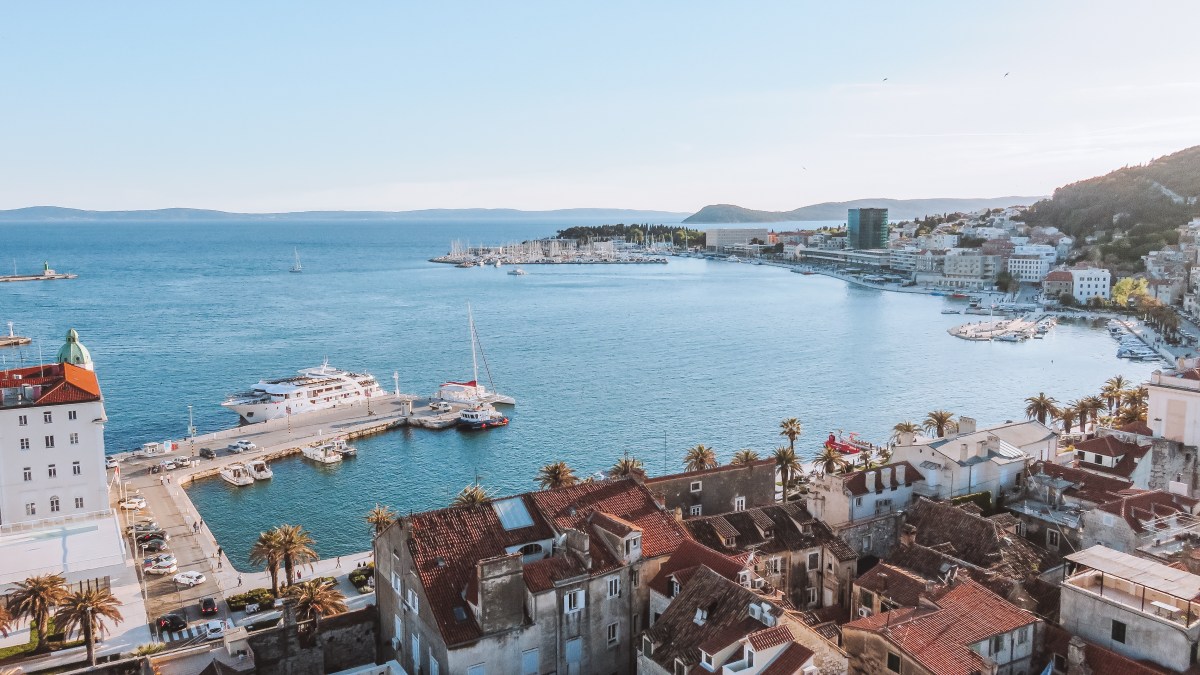
A Croácia (Hrvatska, em croata) foi um dos países que mais gostei de conhecer, pelas pessoas, cultura, paisagens e claramente por ter sido o primeiro local onde vivi fora de Portugal.
Muitas são as pessoas que me pedem recomendações de locais a visitar, por isso decidi fazer este post para que fique acessível a todos.
O primeiro conselho é que vás à Croácia a partir de meados de maio até ao final de setembro. A Croácia é muito mais do que o paraíso do turismo sol e praia, mas sendo que estás a pensar fazer esta viagem… Aproveita o verão pois, caso contrário, muitos locais vão estar praticamente fechados ao turismo. O segundo conselho é que vás com roupa descontraída, um calçado confortável para andar e, caso tenciones fazer muita praia, leva umas sapatilhas aquáticas, para quem não está habituado, isto é um conselho valioso para as praias de pedra do país. O terceiro conselho, que dou é para pensares em alugar um carro, se a tua intenção for percorrer a Croácia desde o norte até ao sul, devido à flexibilidade que isso dá. Quarto conselho, a Croácia tem uma grande variedade de alojamentos locais seguros e confortáveis, que ficam bastante em conta, comparado com vários dos hotéis que existem. Quinto conselho, tens de provar a famosa bebida tradicional Rakia.
Aqui ficam as minhas sugestões sobre as cidades que, na minha opinião, deves de visitar, assim como, algumas das atrações que deves de conhecer.
Zagreb
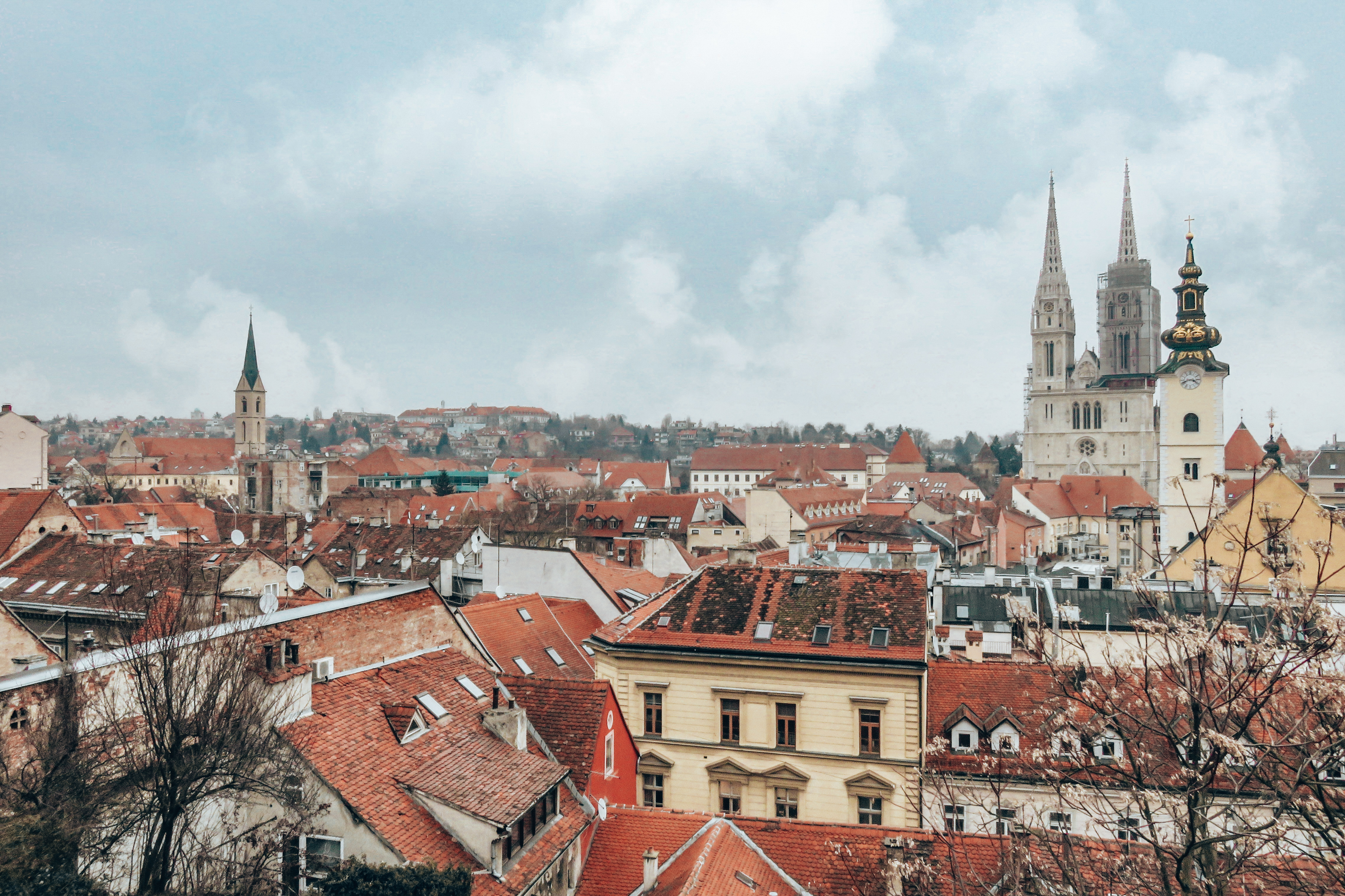
Zagreb, é a capital da Croácia. Uma cidade cheia de histórias, museus e cultura. Aconselho-vos a passar entre 2 a 3 dias a descobrir os seus encantos.
O que explorar na cidade
- Tkalčićeva Ulica: Uma das ruas mais movimentadas da cidade.
- Kamenita Vrata: Também chamada “Portão de Pedra”, esta é uma entrada na cidade antiga que atualmente é um local de oração. Reza a lenda que a cidade foi totalmente destruída num incêndio em 1731, salvando-se milagrosamente a pintura da Virgem que ocupa a capela do Portão.
- Praça de São Marcos: É possível ver a Igreja de São Marcos, o Parlamento da Croácia, a sala de concertos Zagrebački Solisti, e o Tribunal Constitucional Croata.
- Torre Lotrščak: Se fores a Zagreb, tens de visitar esta torre, onde, exatamente ao meio-dia, um canhão explode causando um som ensurdecedor.
- Strossmayer Promenade: Se queres relaxar um pouco do dia e apreciar a paisagem.
- Ilica: Ao passeares por esta rua vais encontrar a maior rua comercial da cidade.
- Museu das Relações Quebradas: Um dos museus mais singulares do mundo onde são deixados inúmeros presentes e as lembranças de relações passadas.
Comida tradicional
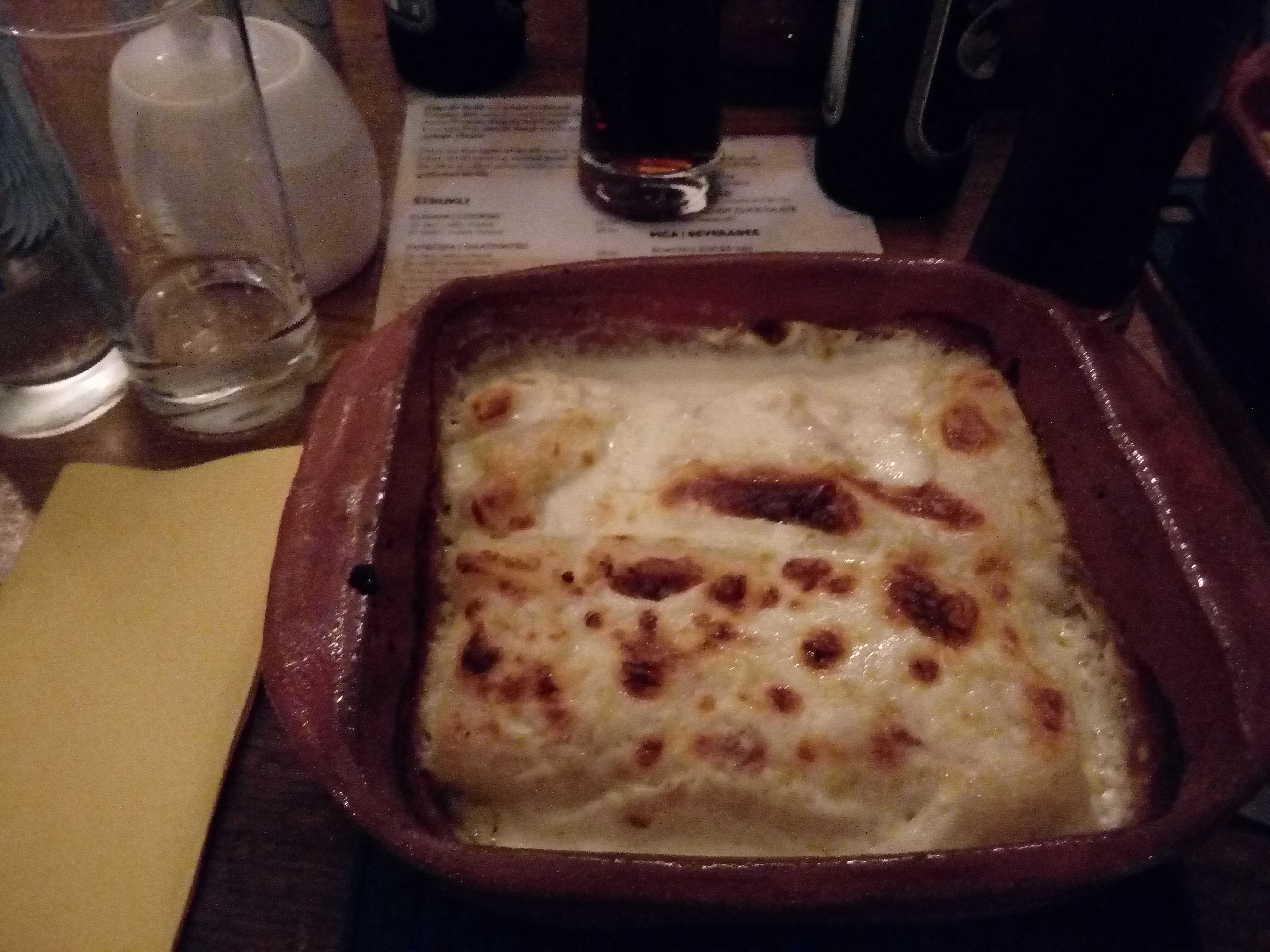
- Para experimentares a verdadeira comida tradicional tens de comer um Zagorski štrukli, que contém ovos, queijo e natas, pode ser doce ou salgado.
Sugestão de alojamento
- Swanky Mint Hostel
Curiosidade
- Reza a lenda que uma rapariga estava a tirar água da fonte quando apareceram dois soldados, que lhe pediram água. Para fazer este pedido pronunciaram a palavra “Zagreb” e assim nasceu o nome da cidade.
Parque dos Lagos Plitvice
Caso, possas ficar mais um dia na cidade de Zagreb, aconselho-te a visitares os Lagos Plitvice. Este lago é considerado o maior da Croácia, composto por 16 lagos inseridos em bosques que estão interligados. Infelizmente, na temporada que passei na Croácia, não me foi possível visitar este local. Contudo, não podia deixar de te falar sobre esta atração. Aconselho-te a ires a partir de Zagreb ou Zadar.
Pula
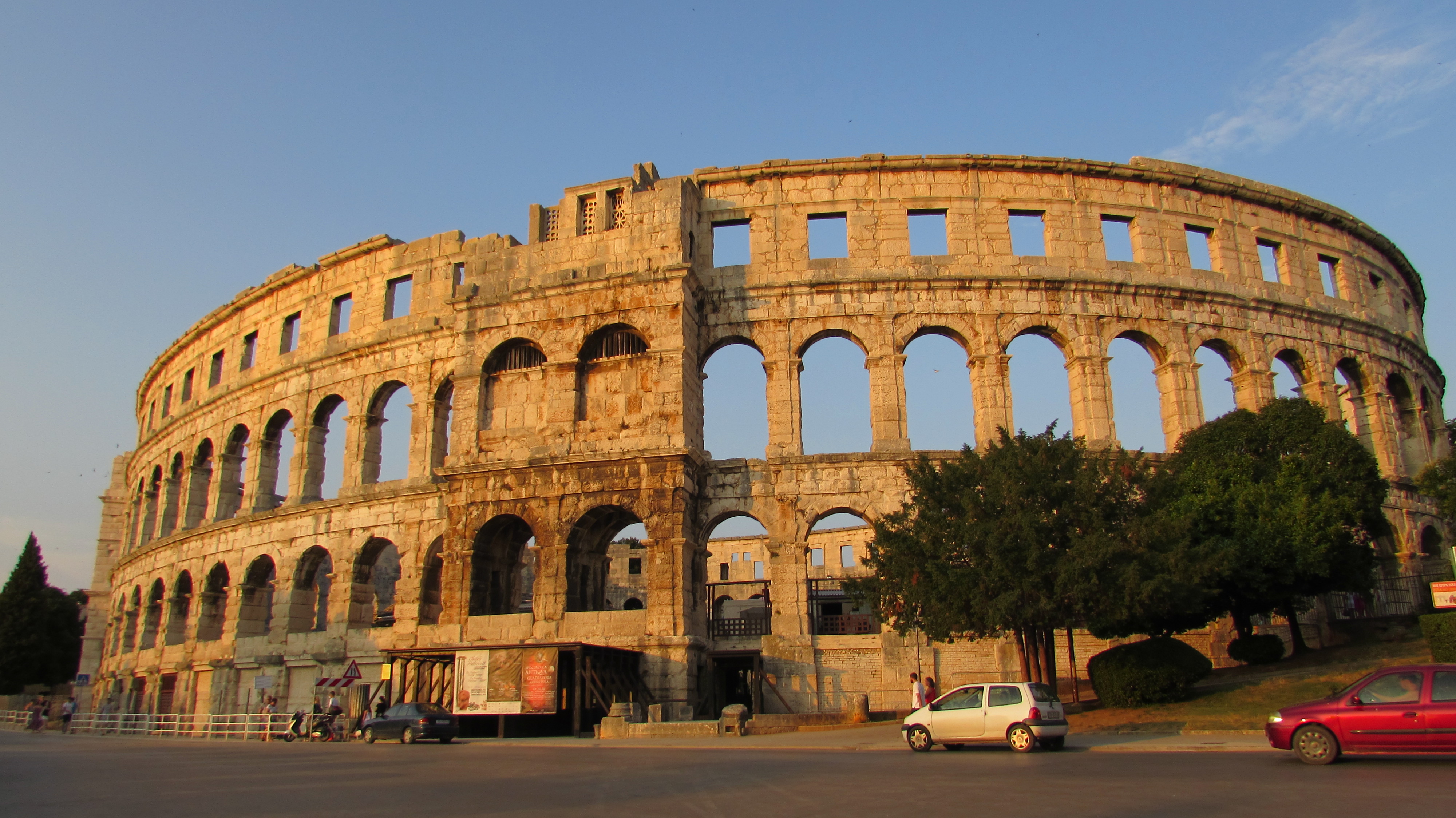
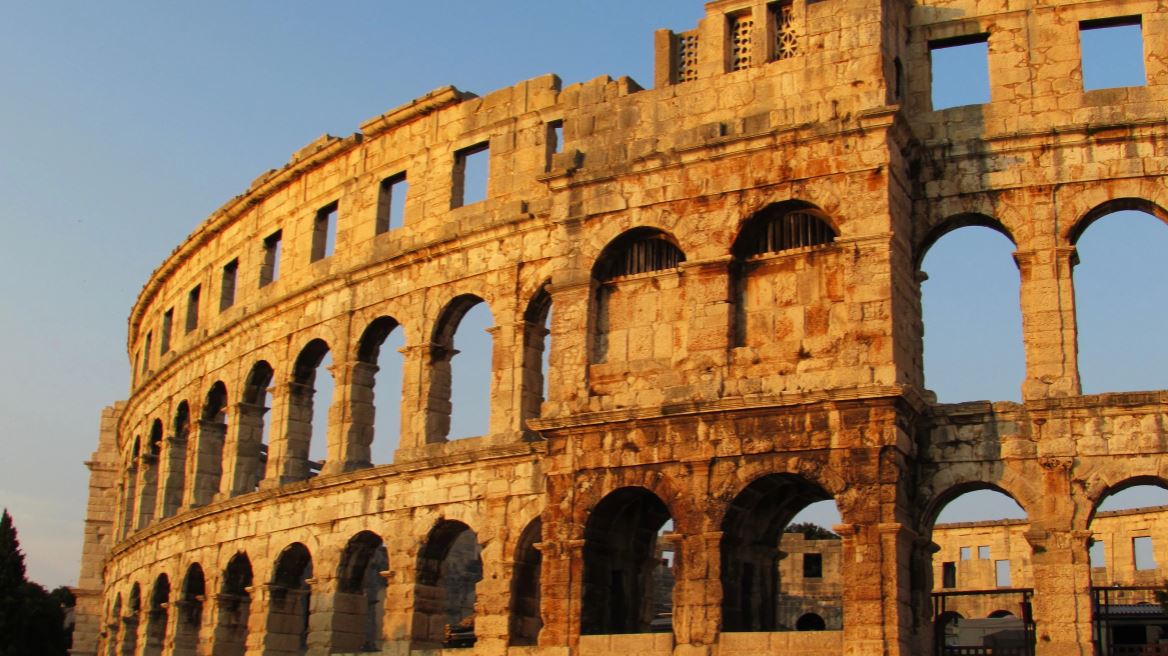
A cidade mais romana do país que fica na região portuária de Istria, à beira do mar Adriático. O maior símbolo da cidade é o anfiteatro, mas Pula tem muito mais para oferecer, a cada esquina existe uma surpresa diferente. A cidade é pequena, por isso um dia é suficiente para ficar a conhecer o centro histórico.
Rovinj
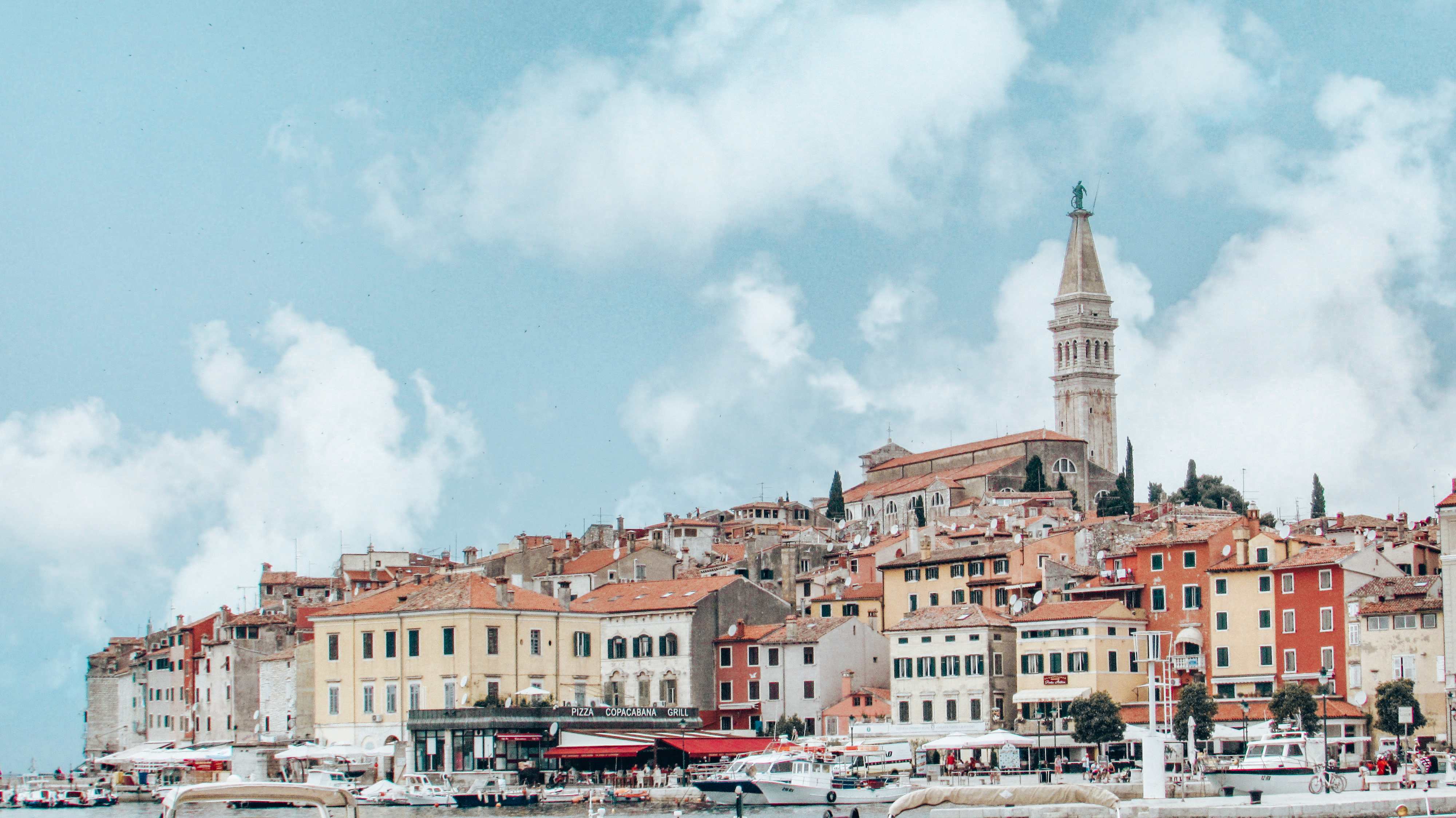
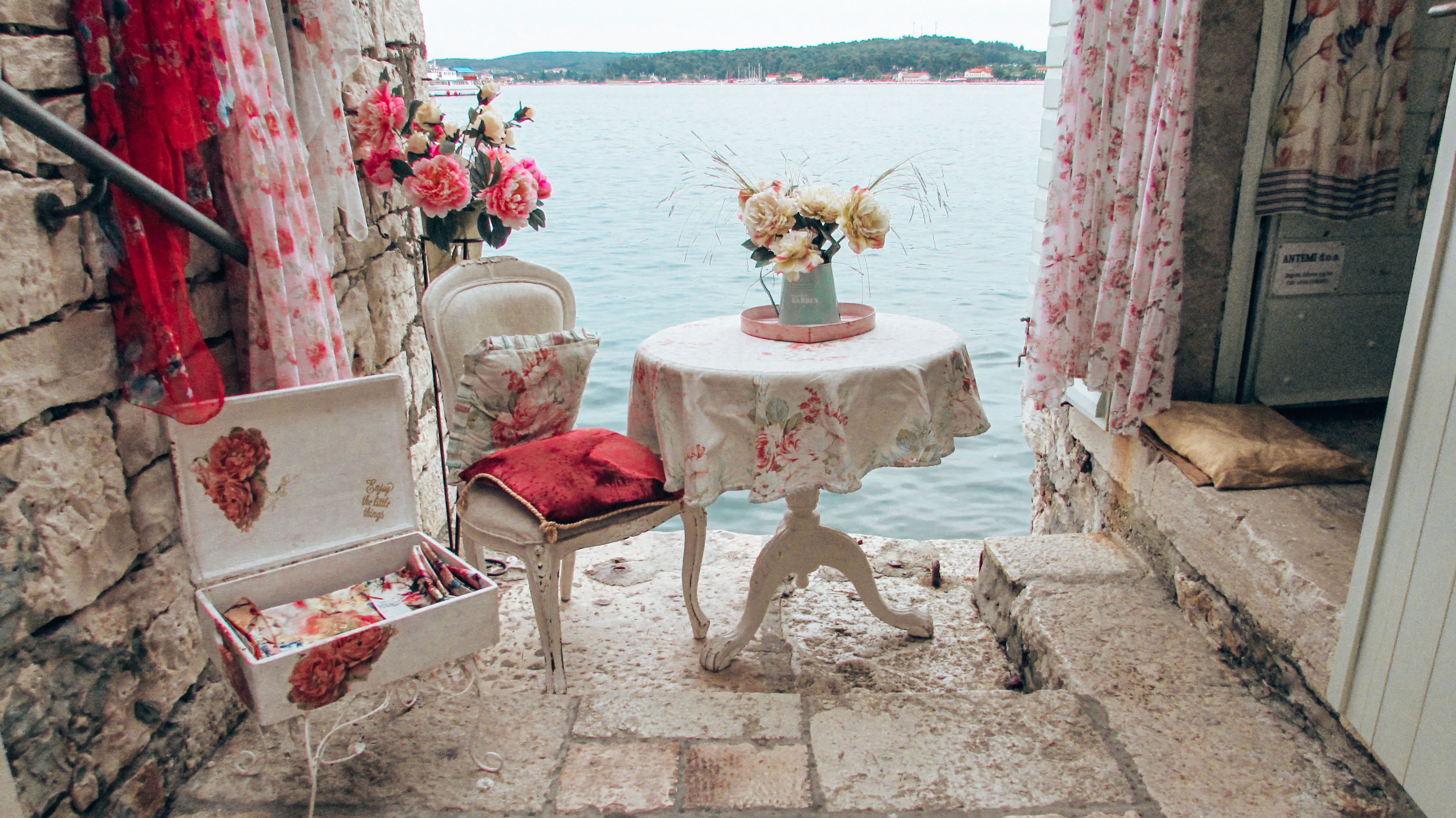
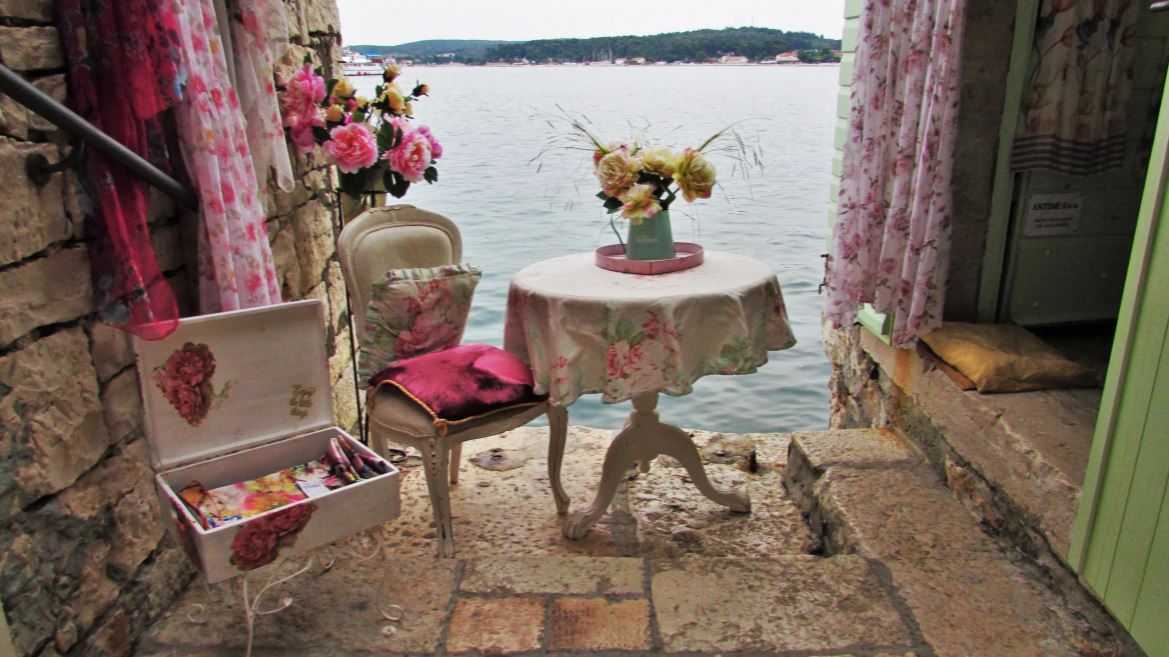
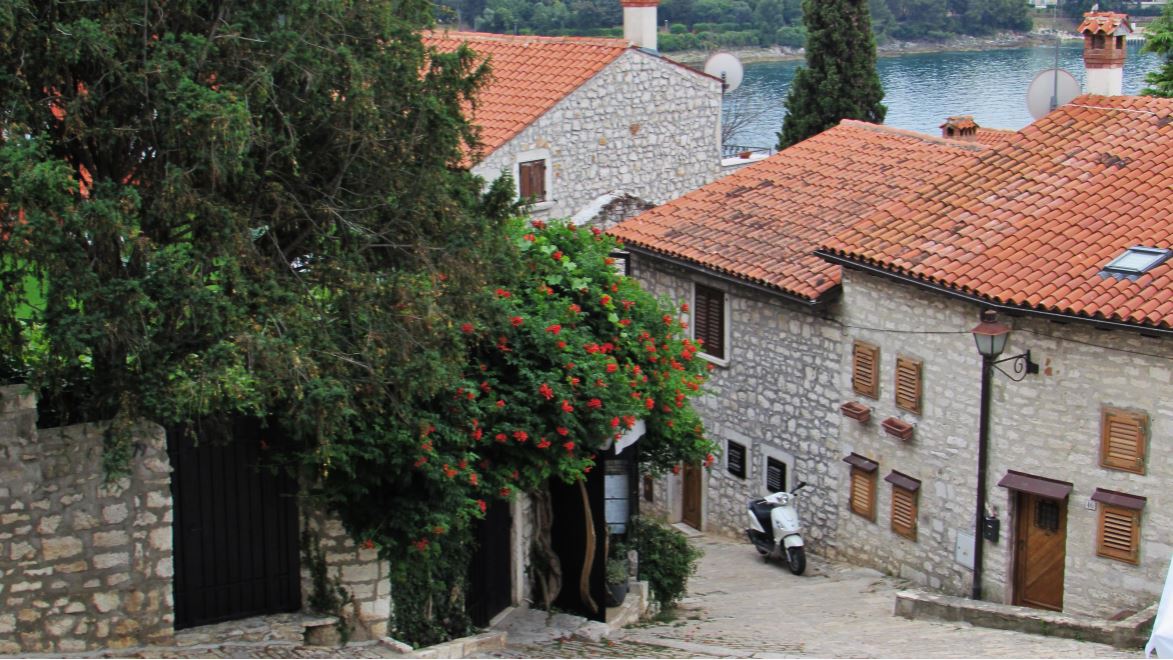
Rovinj é um dos destinos mais românticos da Croácia. Localizado na zona de Istria, várias são as marcas da arquitetura romana na cidade. O centro histórico de Rovinj é banhado pelo mar cercado por parques, vinhedos e pela bela natureza.
Zadar
Se tens interesse em conhecer Zadar, esta cidade é o ponto de referência para os melhores concertos e festivais de música da Croácia e dispõe de um bom ponto de acesso para algumas das ilhas croatas, Dugi Otok, Pag, Silba, Losinj e as ilhas Kornati. Caso, queiras somente visitar o centro histórico da cidade, na minha opinião, um dia chega para visitar a mesma.
O que explorar na cidade
- Muralhas de Zadar: O sistema defensivo medieval de fortes e bastiões listado como Património da Humanidade UNESCO.
- Portão da Terra: Este é o portão mais conhecido da cidade de Zadar, por ser o mais elaborado, por ter vista para a marina de Foša e pelo seu conhecido leão (sinal da presença veneziana na cidade).
- Parque Rainha Jelena Madijevk
- Narodni trg: Conhecida como a “Praça do Povo”, rodeada por vários edifícios, cafés e inclusive por uma igreja. Uma rua bastante importante em Zadar que deve de ser visitada.
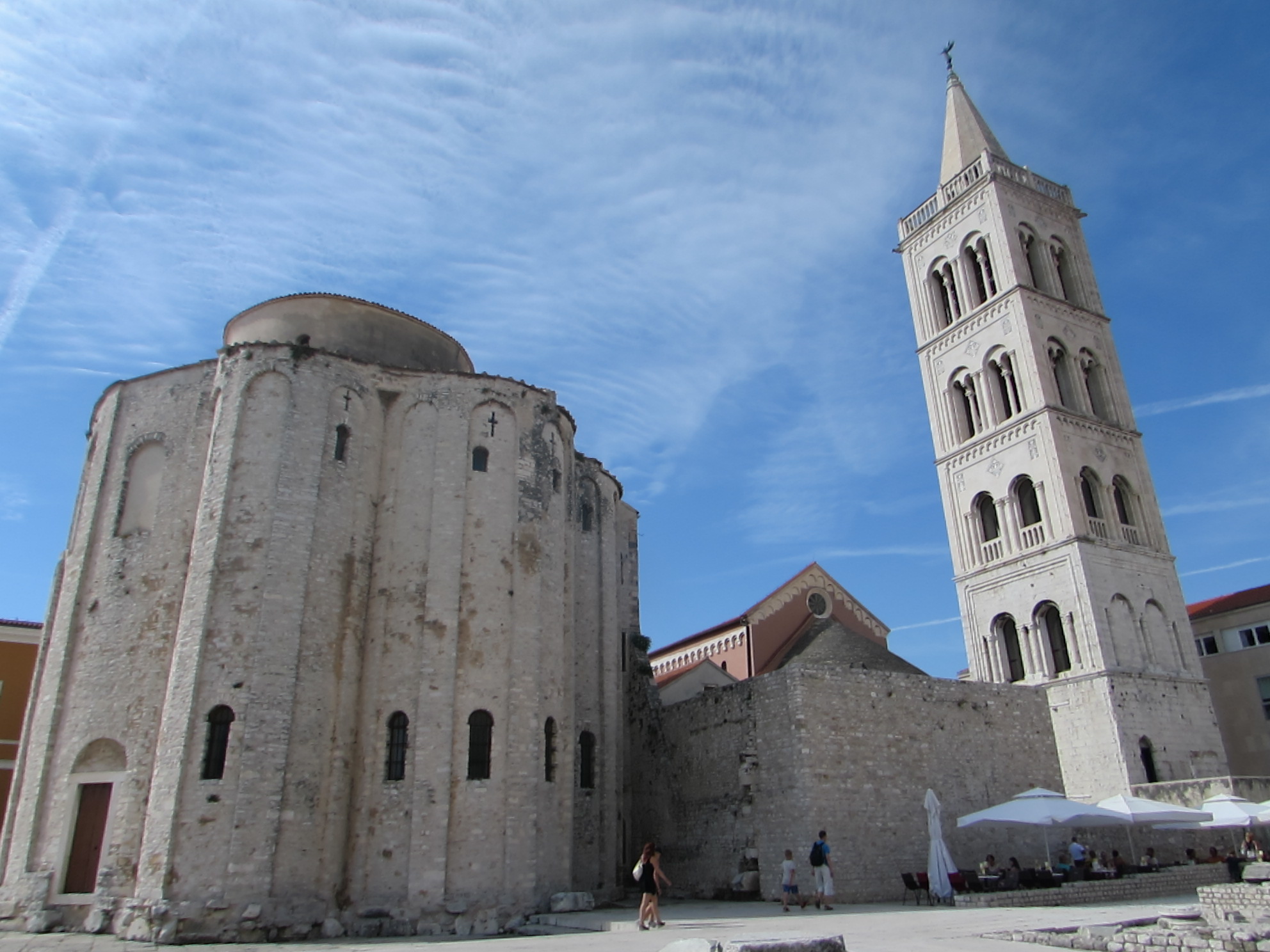
- O coração da cidade: Igreja de São Donato, as ruínas do Fórum Romano, a Catedral de Santa Anastácia e Museu Arqueológico de Zadar são pontos de referência.
- Órgão do mar e a Saudação ao Sol: Na minha opinião, são os pontos altos da cidade de Zadar. Aqui, vale apena parar para apreciar um dos pores do sol mais bonitos do mundo. Senta-te num dos níveis do Órgão do Mar e escuta a música criada pelas onda do mar a bater nos tubos. De seguida, prepara-te para dançar e vai para a “Saudação ao Sol”, um disco que absorve os raios solares durante o dia, para deslumbrar as pessoas com padrões coloridos durante a noite.
Krka National Park
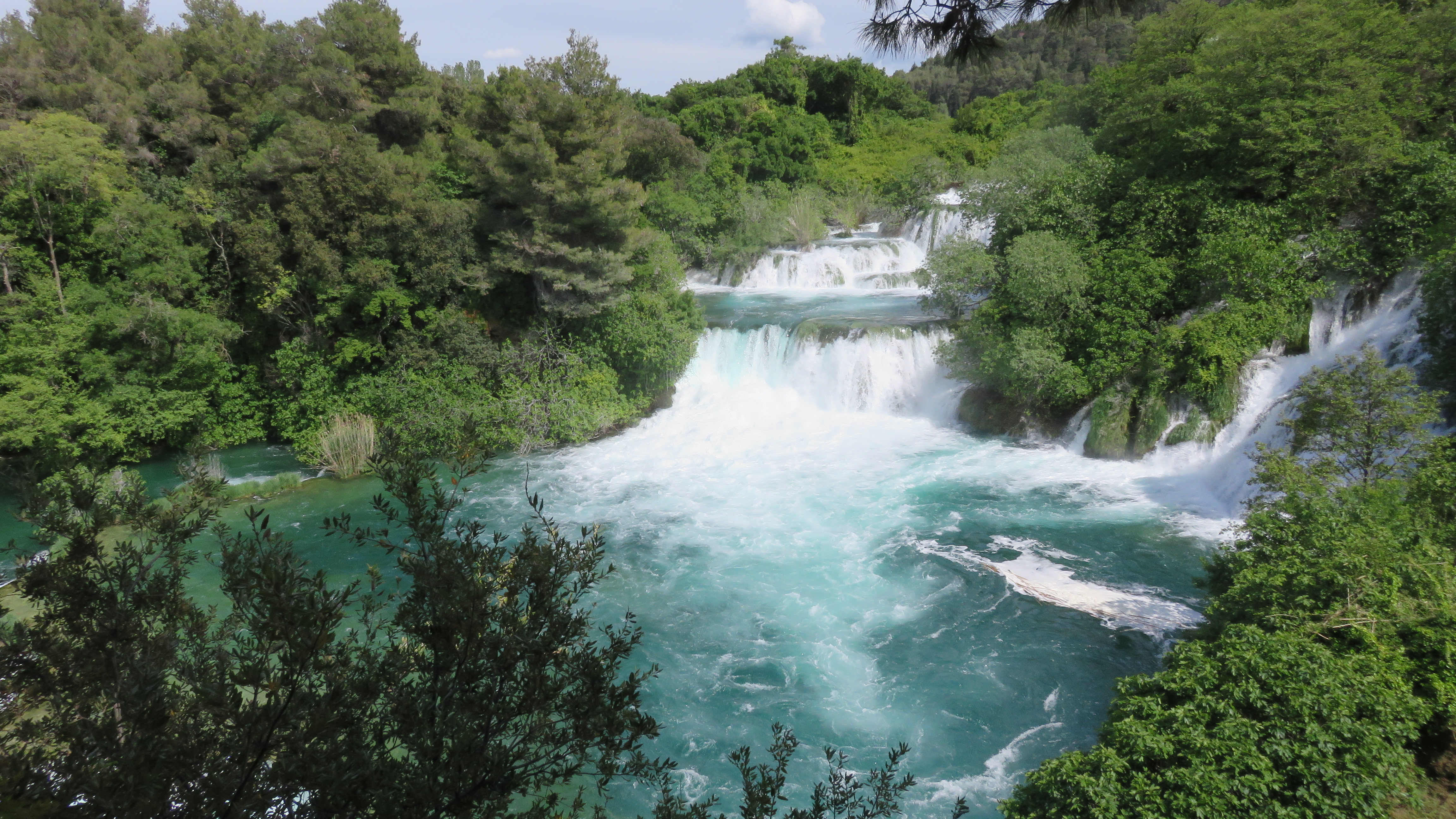
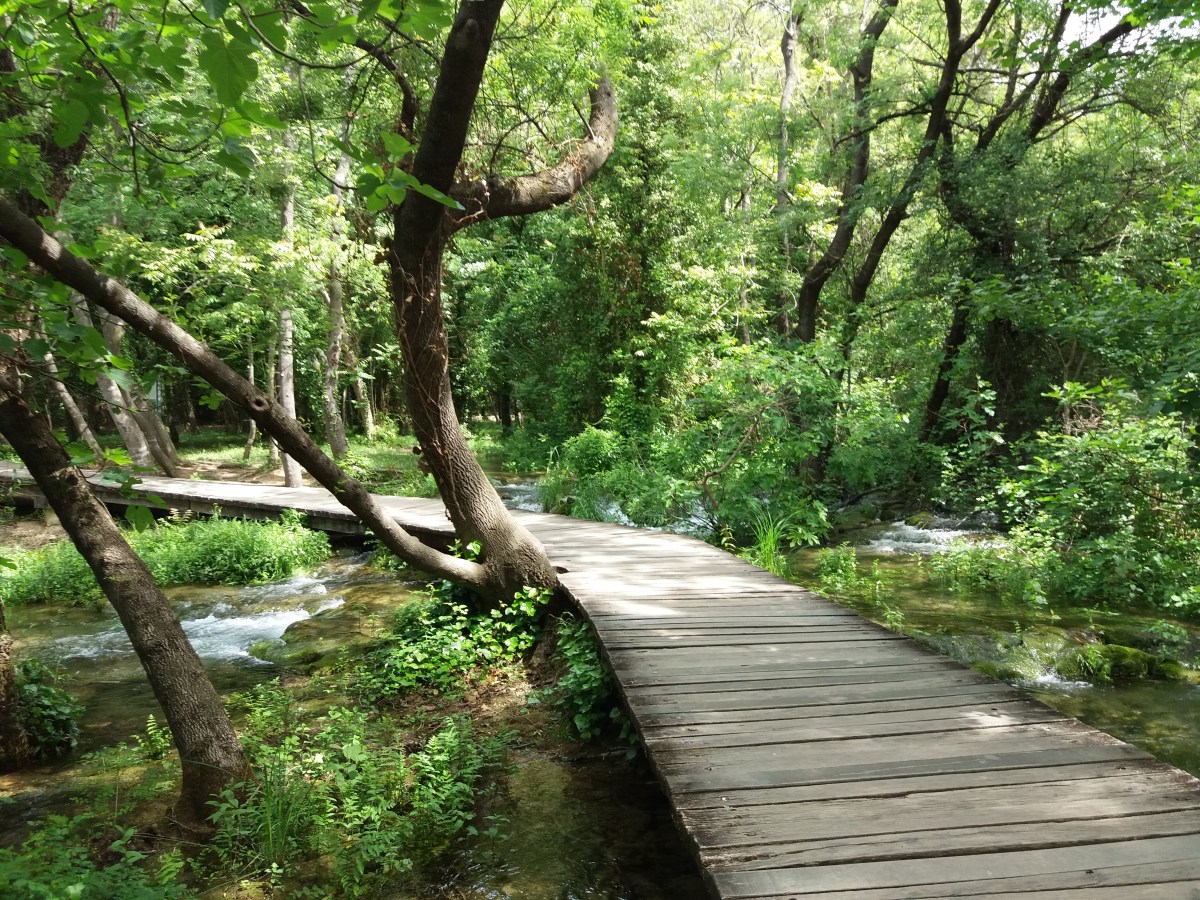
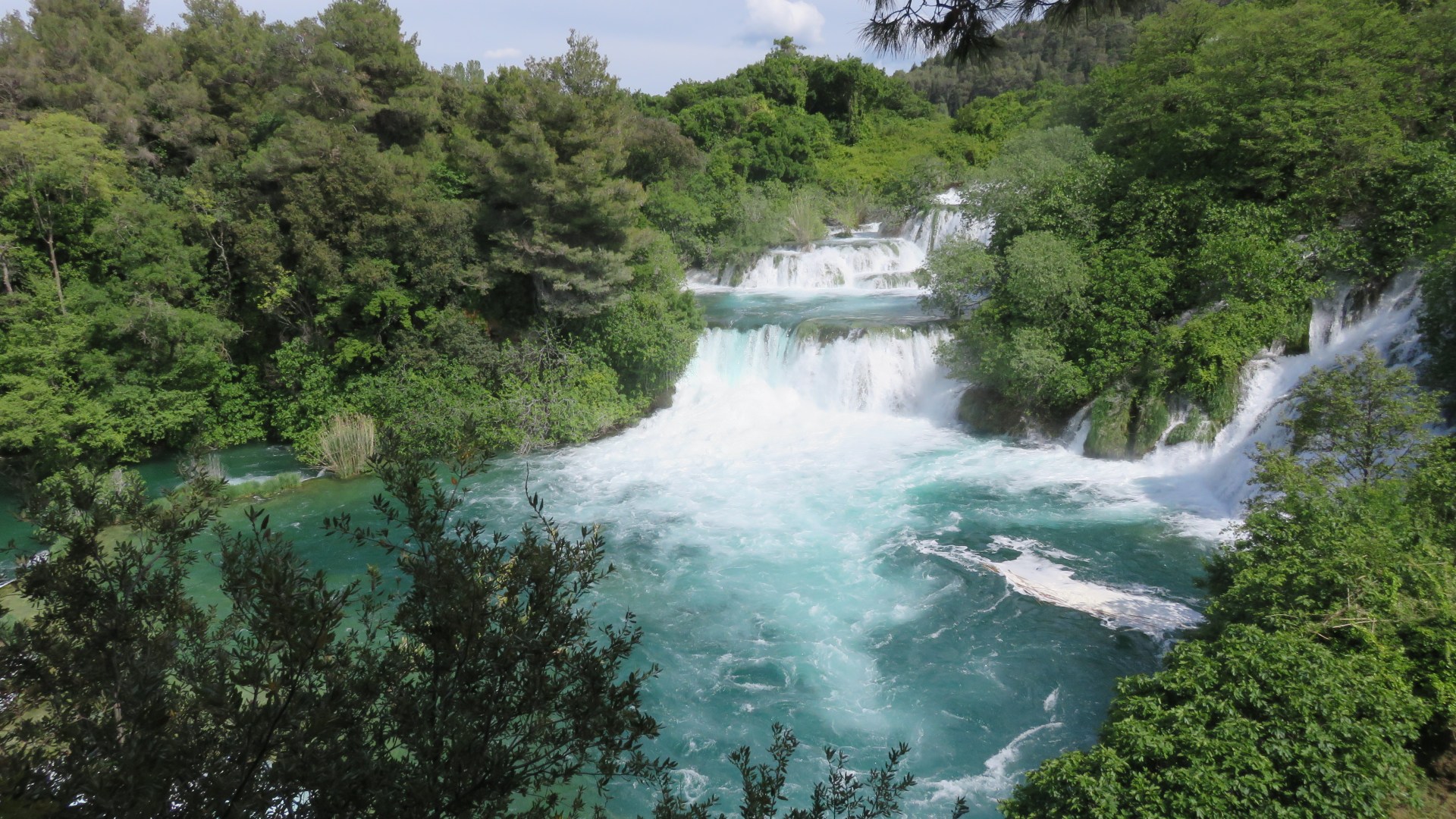
Se mais uma vez queres deslumbrar-te com os parques naturais que a Croácia tem para oferecer, não podes perder uma visita ao Krka National Park. Apesar de ser menor que os Lagos Plitvice, este também apresenta uma natureza abundante, onde peodes percorrer um caminho por dentro da floresta com um habitat bastante diversificado.
Split
Esta é a minha cidade do coração. Na minha opinião, Split é uma das cidade mais bonitas da Croácia, onde o sol, o mar adriático, a natureza envolvente, as ruas antigas, o cheiro a comida e os saborosos gelados, entram numa combinação perfeita e deixam qualquer um espantado.
O que explorar na cidade
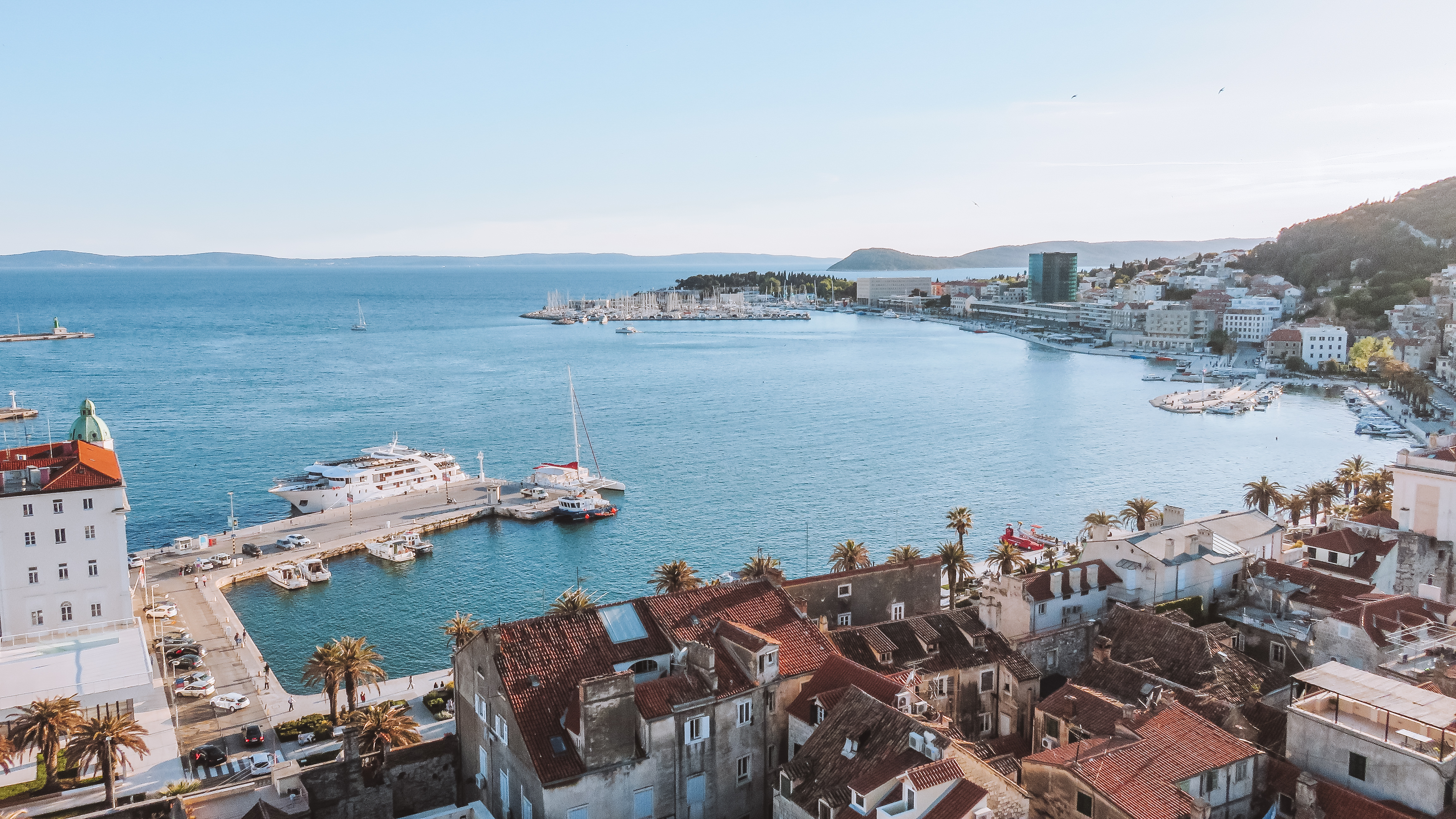
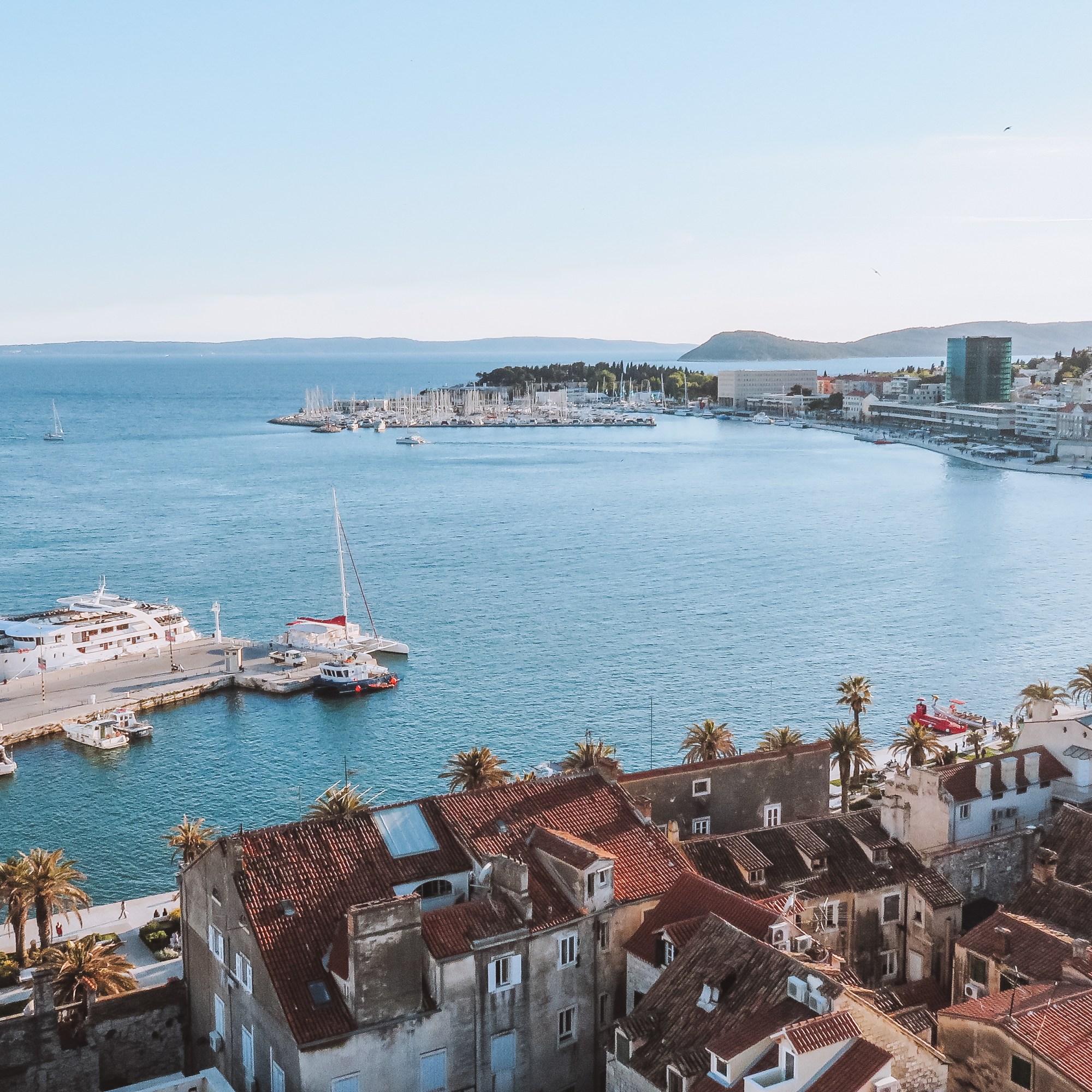
- Riva: No paredão de Split, vais ter a oportunidade de encontrar diversos restaurantes, cafés e bares, assim como uma paisagem lindíssima para as ilhas que se fazem avistar no fundo do horizonte. Se és um(a) fã de pôr do sol este, sem dúvida, vale apena assistir. Aqui podes também encontrar uma praça muito bonita onde se encontra a Igreja St. Frane.
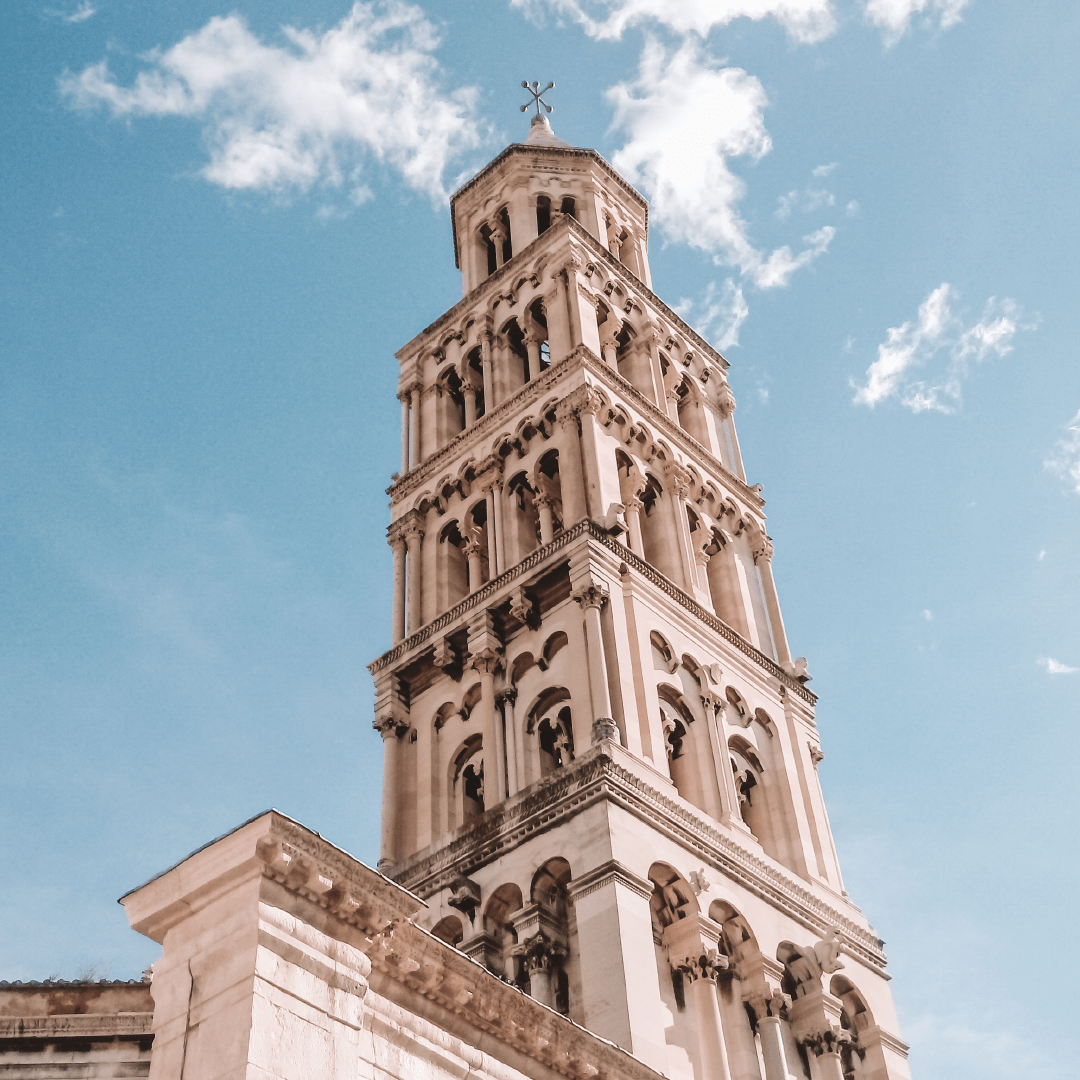
- Centro histórico: O melhor conselho que posso dar é “Perde-te no mais bonito labirinto do centro histórico de Split”. O centro da cidade está cheio de tesouros arquitetónicos de cortar a respiração e bastante bem preservado.
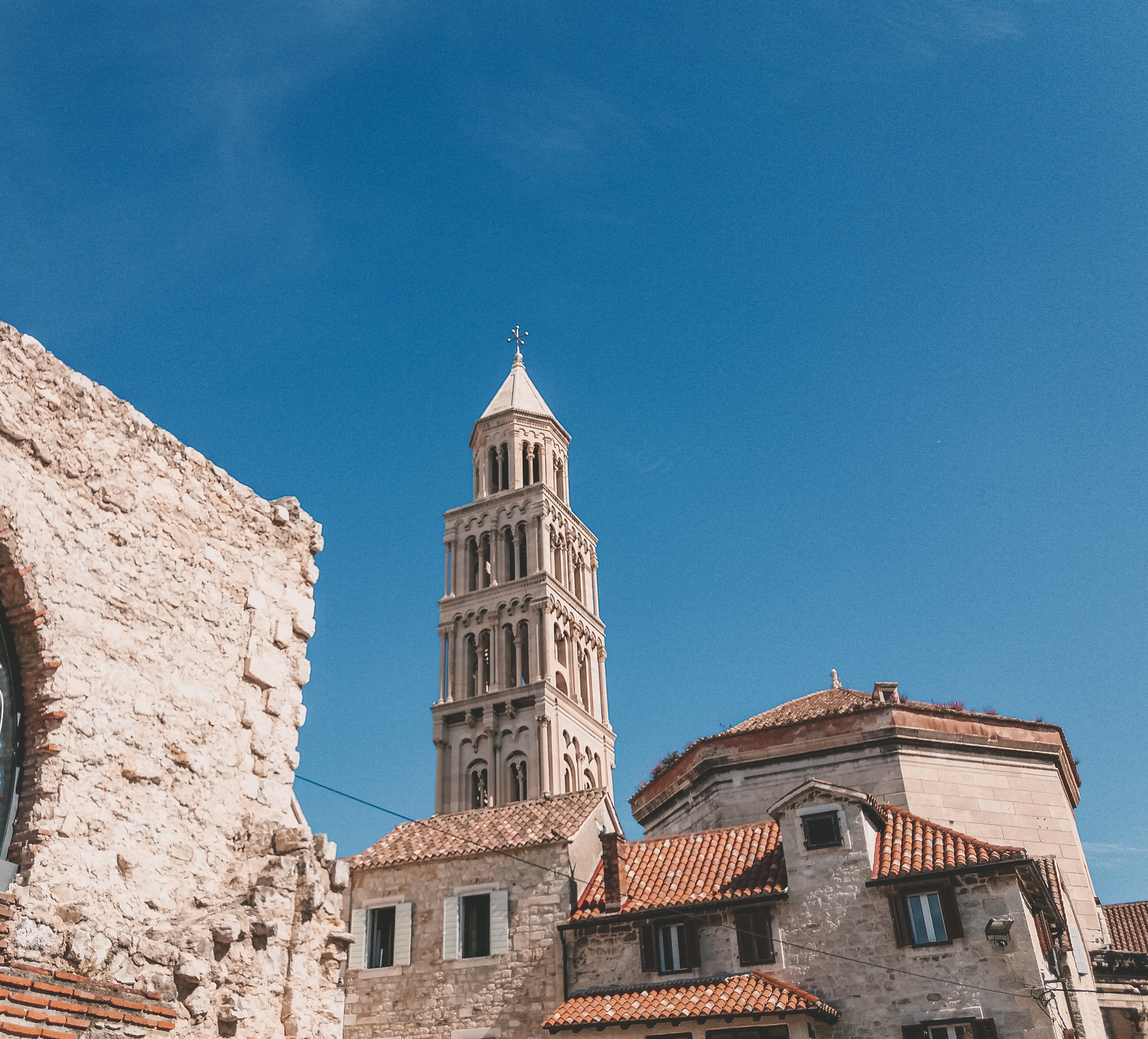
- Palácio de Diocleciano: A palavra que melhor descreve este monumento é colossal. É dentro das muralhas do palácio que se encontra o centro histórico da cidade. A visita ao Palácio é algo obrigatório em Split.
- Peristil: É a praça que envolve o Palácio de Diocleciano, designando-se assim como o centro cultural de Split, em que devido à sua acústica, recebe os maiores eventos da cidade. Aqui também fica situado o Vestíbulo e as Catacumbas do Palácio, onde podes encontrar várias lojas artesanais.
- Templo de Júpiter: Localizado na rua “Deixe-me passar por favor”.
- Portão de Ouro: Aqui podes apelar à tua sorte ao Grgur Ninski, para isso tens de esfregar a tua mão no dedo grande do pé do gigante de bronze, considerado um dos símbolos de Split.
- Mercado de Split: Tens mesmo de visitar os mercados de Split, pois tenho certeza que é uma experiência que não vais esquecer. O Pazar é o mercado da fruta, hortícolas, tendo também bancas de artesanato. O outro mercado é o Mercado do Peixe (Ribarnica).
- Marmontova Ulica: Esta é a rua do comércio com as mais variadas lojas de roupa e onde se localiza o Mercado do Peixe, que vai dar à Riva.
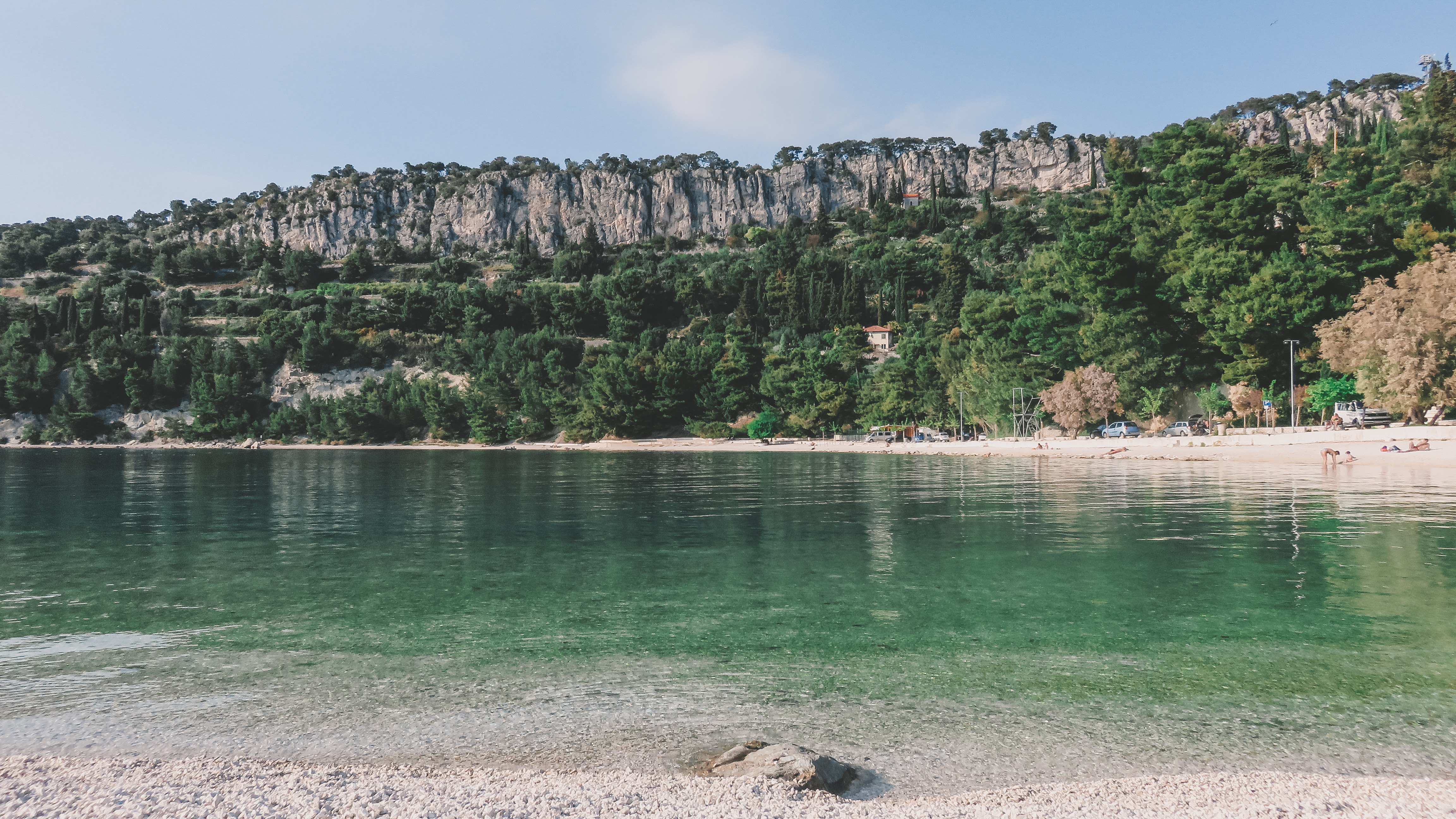
- Parque Marjan: Se fores a Split, não podes deixar de ir ao pulmão da cidade. O parque oferece uma bela vista da cidade e das ilhas em redor, especialmente aos fins de tarde, assim como, uma abundância de áreas verdes, com variadas espécies da fauna e flora. No parque também existe uma das praias mais bonitas que já vi.
Para comer
- Luka Ice Cream and Cakes: Melhor gelado de Split.
- Bobis: Para provares a pastelaria croata e teres uma refeição ligeira.
- Toto’s: Os melhores hambúrgueres da Croácia.
Praias que não podes perder
- Plaža Kašjuni (Localizada no Parque Marjan)
- Bačvice e Plaža Firule (Estas são opções para quem quer frequentar praias de areia)
- Žnjan
Esta é uma das cidades obrigatórias para quem quer visitar a Croácia, não só por ser a segunda maior cidade do país, mas também pela diversidade de atrações que possuí. Aconselho a ficares neste local pelo menos 3 dias, sendo que tens a possibilidade de apanhar o ferry para outras ilhas, como é o caso de Hvar (que vou abordar a seguir), Brač e Korčula.
Hvar
Visitei a ilha de Hvar e para mim foi uma surpresa bastante agradável. Apanhei um ferry através da https://www.jadrolinija.hr/, a empresa marítima do país. Um dia foi suficiente para explorar a ilha. Contudo, se quiseres aproveitar as praias, a vida noturna, as restantes ilhas e atividades que existem em redor acho uma boa ideia pernoitar, tem em atenção, que os preços são um pouco mais elevados.
O que explorar na cidade
- Praça Principal (Trg Svetog Stjepana) e Catedral.
- Riva: Vale apena explorar este passeio pois vais ter a possibilidade de ver a Praça Principal, os restaurantes, os iates ancorados e a cor deslumbrante da água da ilha. Se seguires esse caminho, vais ter à praia Lučica Beach, ao lado do Mosteiro Franciscano (um dos edifícios mais famosos da ilha).
- Fortaleza Espanhola (Fortica Spanjola): No alto das colinas de Hvar está a Fortaleza, onde consegues ter uma das melhores vistas da ilha. Caso, esteja muito calor, aconselho-te a ires ao final da tarde.
- Torre do Relógio: Em Hvar existem 3 torres do relógio importantes e esta é aquela que é a mais fotografada.
- Dependendo das épocas do ano, Hvar Town é um ponto estratégico para quem quer visitar outras ilhas, pois existem várias opções e vários horários de saída da cidade. Um dos mais populares é o passeio das grutas azul e verde, que passa pelas ilhas de Vis, Pakleni e Biševo.
Dubrovnik
A pérola do Adriático, a cidade do amor, conhecida mundialmente pela cidade onde foram gravadas várias cenas da Guerra dos Tronos.
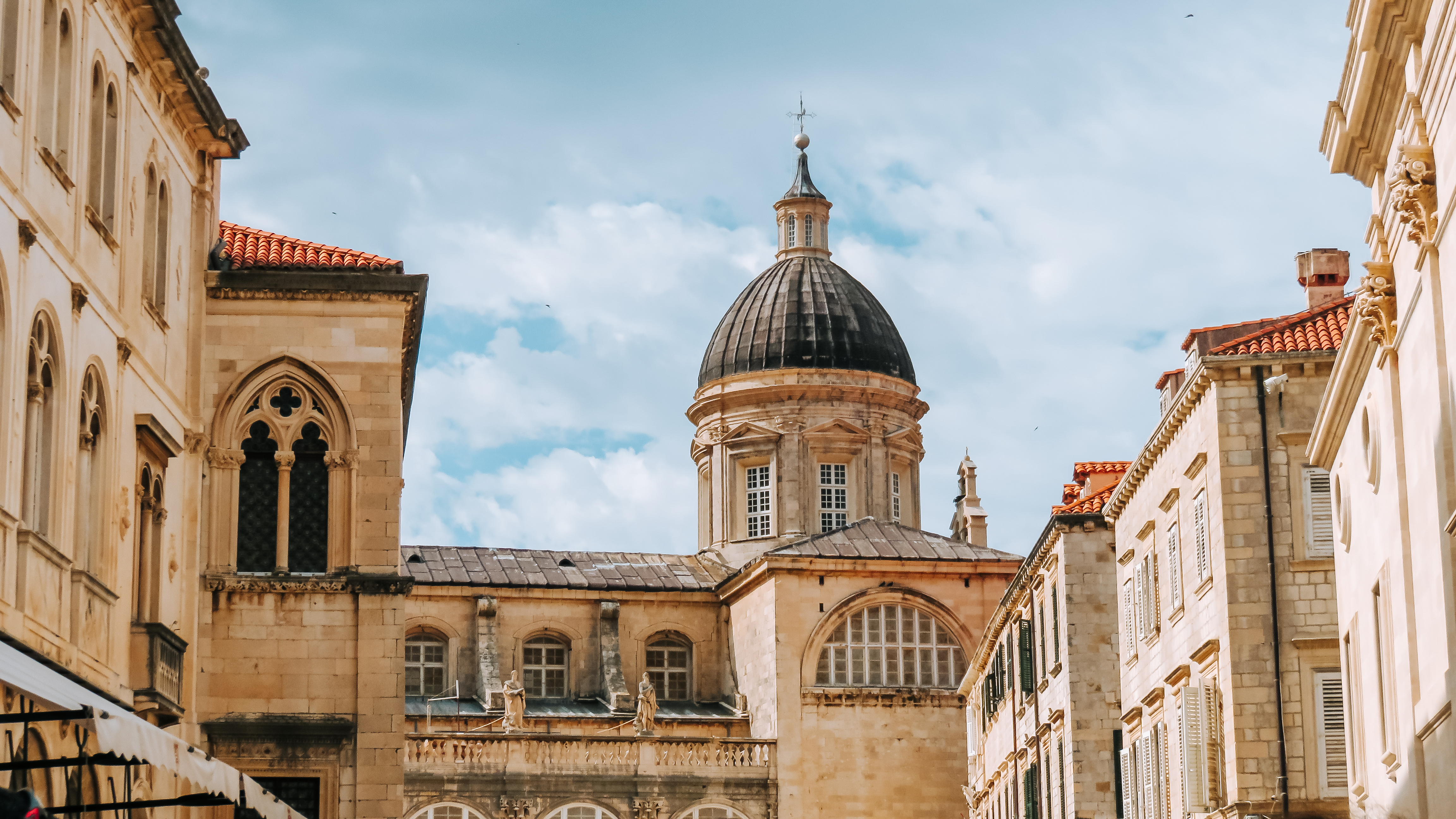
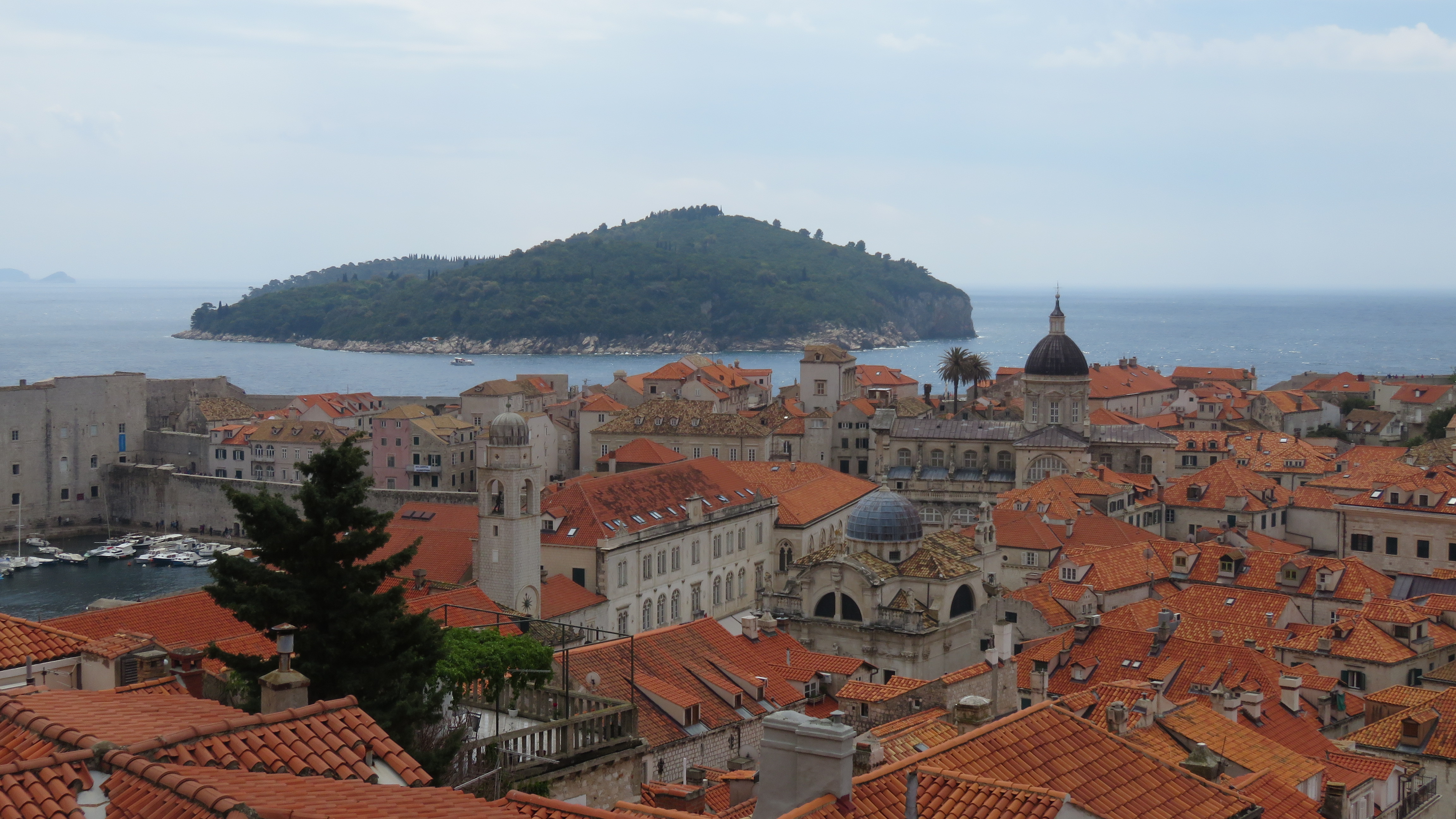
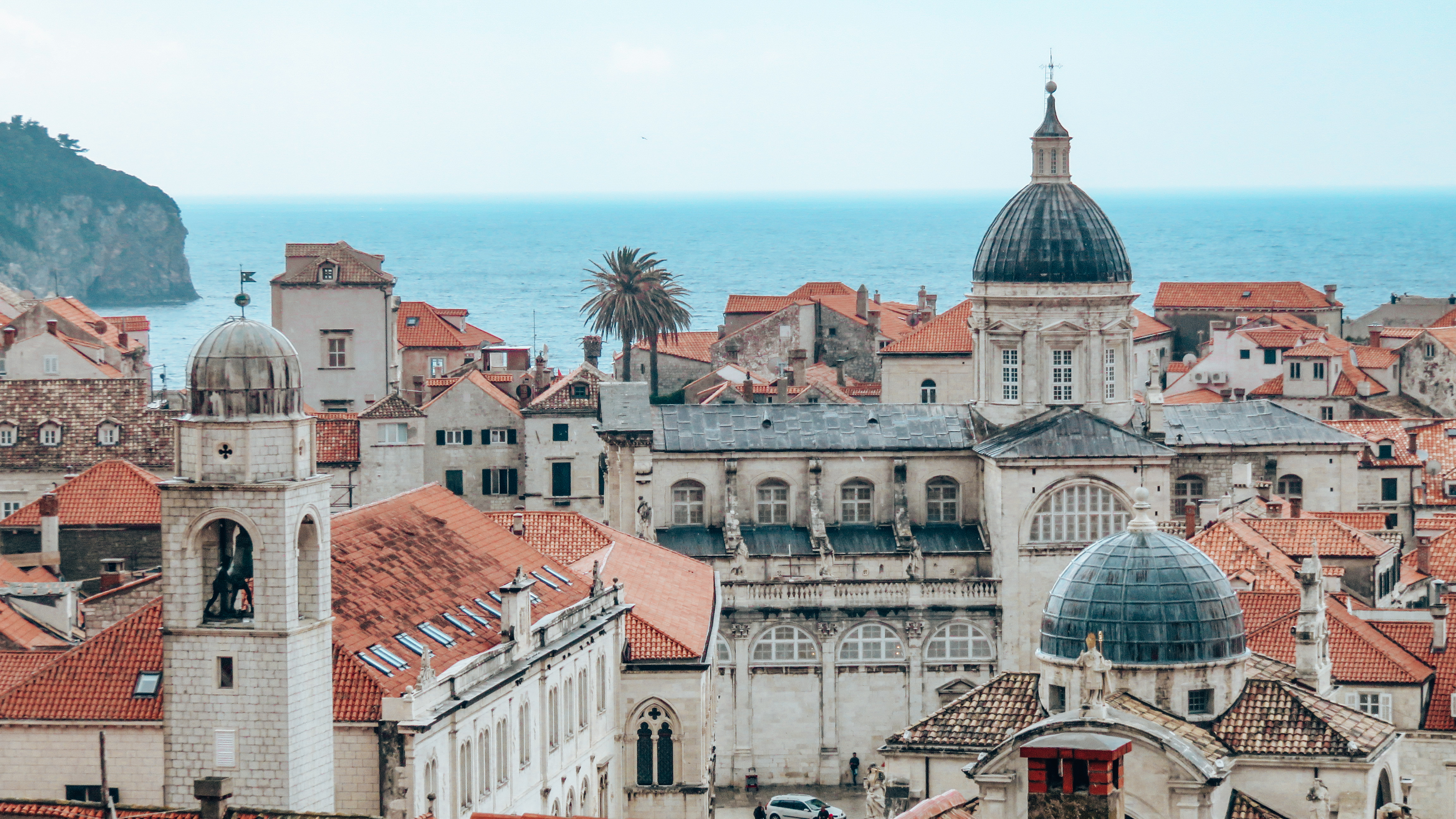
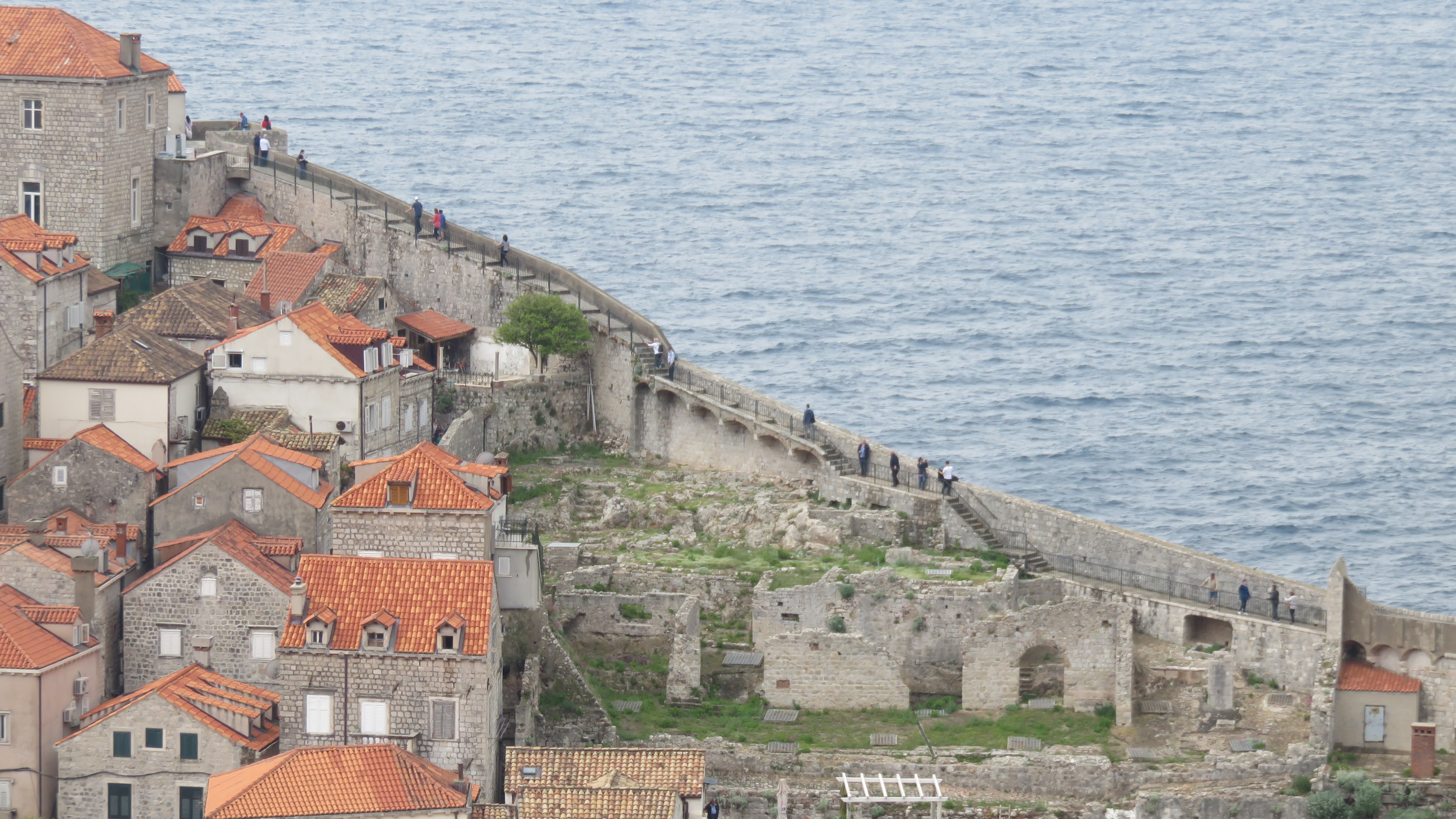
Dubrovnik, uma cidade rodeada por muralhas imponentes em tons de dourado, rodeadas pelo maravilhoso mar adriático, está classificada como Património Mundial da UNESCO desde 1979. Um destino cheio de história, que em 1667 sofreu um terramoto que destruiu praticamente toda a Cidade Velha e dizimou grande parte da população. Em 1991, aconteceu uma nova tragédia devido ao cerco e ao bombardeamento por forças militares da Sérvia e Montenegro na sequência da guerra dos Balcãs. No entanto, a cidade sempre conseguiu renascer das cinzas.
O que explorar na cidade
- Pile Gate: A entrada de triunfal da cidade de Dubrovnik.
- Ploce Gate: É a segunda entrada mais triunfal da cidade de Dubrovnik que vale apena a visita.
- Avenida Principal: É o ponto de partida para descobrir o resto da cidade.
- Igreja e Mosteiro Franciscanos: Localiza-se mesmo à entrada da Avenida principal.
- Grande Fonte de Onófrio: Também está localizada na entrada de Dubrovnik e ninguém consegue ficar indiferente a esta fonte devido à sua grandeza.
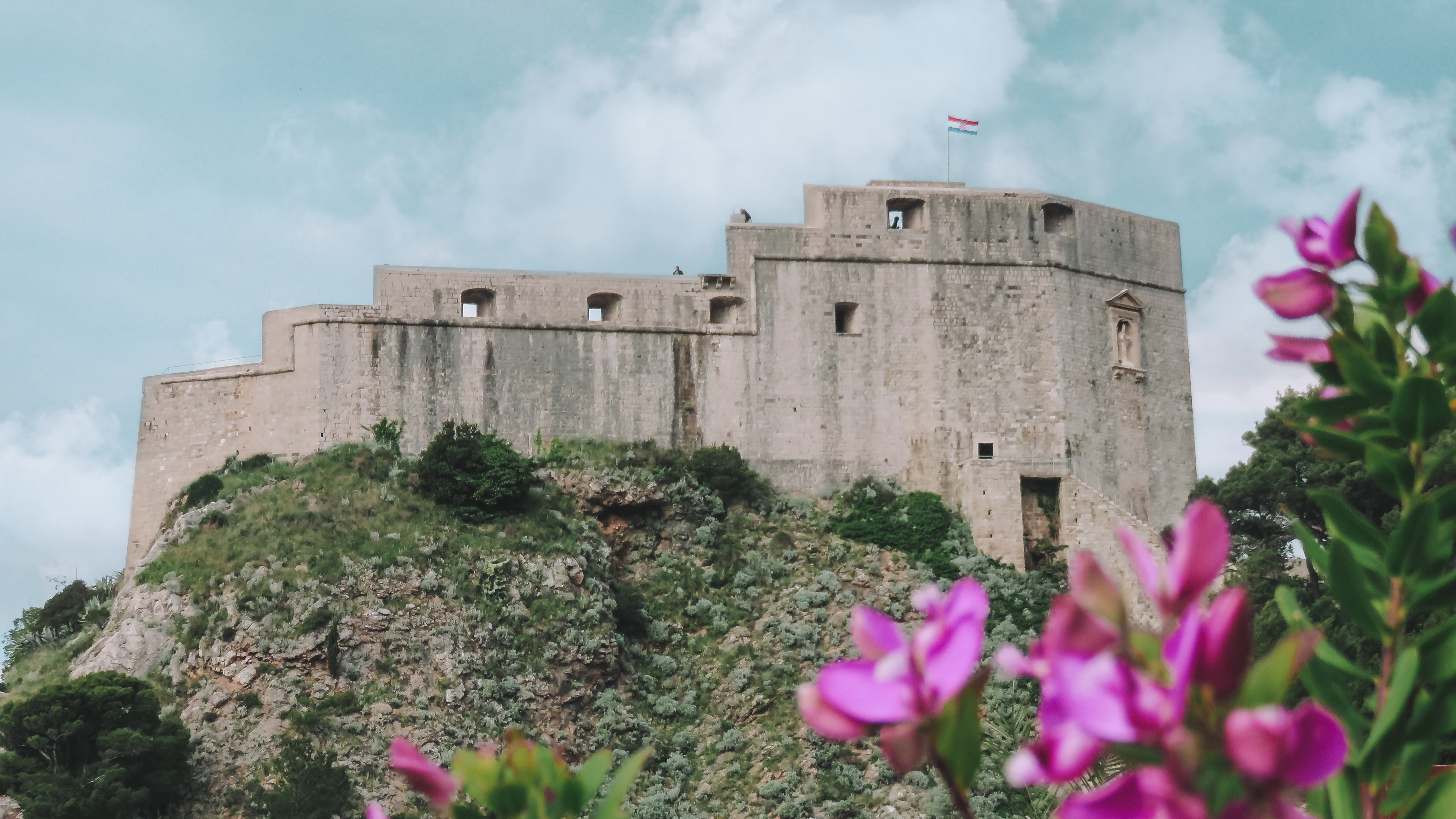
- Muralhas de Dubrovnik: Ir a Dubrovnik e não visitar as muralhas, é como ir a Roma e não ver o Papa. Este circuito é algo que devia de ser obrigatório, pois vai deixar qualquer visitante boquiaberto com a beleza em redor. Durante a visita, vão ter a oportunidade de ver os vários monumentos da cidade, vão também ter a oportunidade de visitar a Torre Minceta e a Fortaleza Lovrijenac.
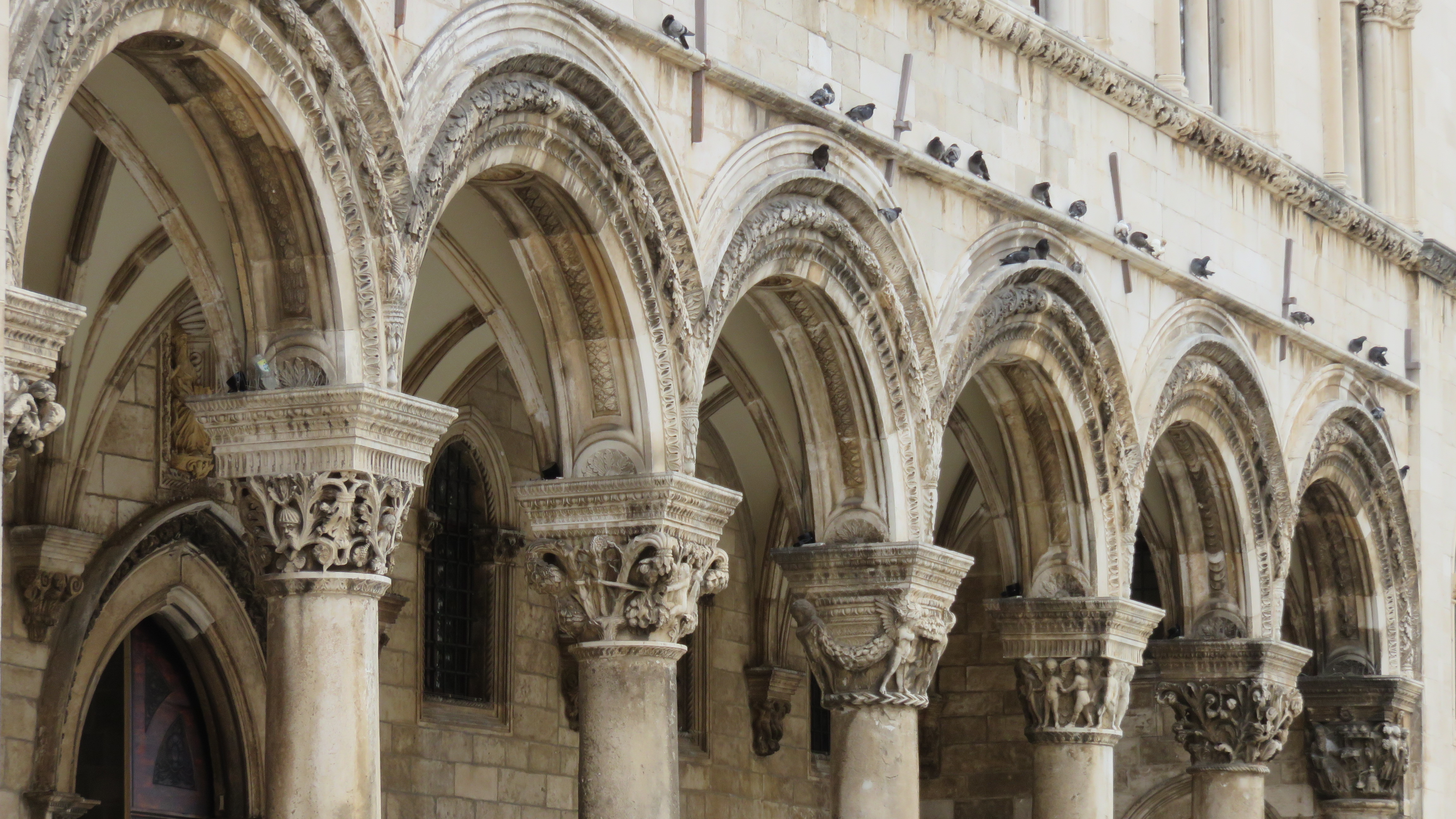
- Praça Luža: Onde é possível ver a Torre do Relógio, a Coluna de Orlando, a Igreja de São Brás, Palácio Sponza e a Fonte Pequena de Onófrio. A partir da praça também vais ter a oportunidade de ver o Palácio do Reitor, o Mosteiro Dominicano, a Catedral e a Igreja de Santo Ignacio de Loyola.
No centro histórico da cidade de Dubrovnik é proibida a entrada de carros, por isso todo o circuito deverá de ser feito a pé ou de bicicleta.
Espero que tenham gostado das dicas e que brevemente possam visitar e adorar este destino.
Algumas palavras em Croata para começares a praticar:
- Bok – Olá
- Hvala – Obrigada/o
- Autobušni Kolodvor – Estação de Autocarros
- Riva – Paredão
- Ulica – Rua
- Pomalo – Significa relaxar, sem stress e sem pensar no tempo
Com muito amor,
Sofia Gomes.





Croatia (Hrvatska, in Croatian) was one of the countries I most enjoyed visiting, for its people, culture, landscapes and clearly because it was the first place where I lived outside Portugal.
Many people ask me for recommendations for places to visit, so I decided to make this post to make it accessible to everyone.
The first advice you must consider to go to Croatia from mid-May to the end of September. Croatia is much more than a paradise for sun and beach tourism, but if you are thinking of making this trip… Enjoy the summer because, otherwise, many places will be practically closed to tourism. The second piece of advice is to go with relaxed clothes, comfortable walking shoes and water shoes. This is valuable advice for the country’s stone beaches. The third advice I give is to think about renting a car, if your intention is to travel Croatia from the north to the south, due to its flexibility. Fourth advice, Croatia has a wide range of safe and comfortable local accommodation, which are quite affordable compared to many of the hotels that exist. Fifth advice, you have to try the famous traditional drink Rakia.
Here are my suggestions about the cities that, in my opinion, you should visit:
Zagreb
Zagreb is the capital of Croatia. A city full of history, museums and culture so I advise you to spend between 2 to 3 days to discover its charms.
Suggestions for exploring the city
- Tkalčićeva Ulica: One of the busiest streets in the city.
- Kamenita Vrata: Also called “Stone Gate”, this is an entrance to the ancient city that is currently a prayer place. The story says that the city was totally destroyed in a fire in 1731, but that miraculously the Virgin’s painting in the Chapel of the Gate was saved.
- St. Mark’s Square: You can see St. Mark’s Church, the Croatian Parliament, the Zagrebački Solisti concert hall, and the Croatian Constitutional Court.
- Lotrščak Tower: Anyone going to Zagreb has to visit this tower, where, exactly at noon, a cannon explodes causing a loud sound.
- Strossmayer Promenade: For those who want to relax for a while and enjoy the scenery.
- Ilica: When walking along this street, you will find the largest shopping street in the city.
- Museum of Broken Relationships: One of the most unique museums in the world where countless gifts and memories of past relationships are left there.
Traditional food
- To try real traditional food, you have to eat a Zagorski štrukli, which contains eggs, cheese and sour cream, it can be sweet or savoury.
Accommodation suggestion
- Swanky Mint Hostel
Curiosity
- The legend tells that a girl was drawing water from the fountain when two soldiers appeared, asking for water. To make this request, they pronounced the word “Zagreb” and thus the name of the city was born.
Plitvice Lake Park
If you can stay another day in Zagreb, I advise you to visit Plitvice Lakes. This lake is considered the largest in Croatia, consisting of 16 lakes inserted in interconnected forests. Unfortunately, in the season I spent in Croatia, I was unable to visit this place. However, I think this is a must for those who visit the country. I advise you to go from Zagreb or Zadar, depending on how you are planning the trip.
Pula
Pula is the most Roman city in the country, located in the port region of Istria, on the Adriatic Sea. The biggest symbol of the town is the arena. Still, Pula has much more to offer, at every corner, there is a different surprise. The city is small, so one day is enough to get to know the historic centre.
Rovinj
Rovinj is one of the most romantic destinations in Croatia. Located in the area of Istria, there are also several marks of Roman architecture in the city. The historical centre of Rovinj is bathed by the sea surrounded by parks, vineyards and beautiful nature.
Zadar
For those interested in getting to know Zadar, this city is the reference point for the best concerts and music festivals in Croatia. It also has a good access point to some of the Croatian islands, Dugi Otok, Pag, Silba, Losinj and Kornati. In case you just want to visit the historic city centre, in my opinion, one day arrives to see it.
Suggestions for exploring the city
- Walls of Zadar: The medieval defensive system of forts and bastions listed as a UNESCO World Heritage Site.
- Earth Gate: This is the most famous gate in Zadar’s city. It is the most elaborated one with its well-known lion (a sign of the Venetian presence in the town). From the gate, you can overlook the marina of Foša.
- Narodni Trg: Known as the “People’s Square” is surrounded by several buildings, cafes and even a church. A very important street in Zadar that must be visited.
- The heart of the city: Church of San Donato, the ruins of the Roman Forum, the Cathedral of Santa Anastácia and the Archaeological Museum of Zadar are reference points.
- Sea organ and Sun Salutation: In my opinion, these are the highlights of the city of Zadar. Here, it is worth stopping to enjoy one of the most beautiful sunsets in the world. Sit on one of the Sea Organ levels and listen to the music created by the ocean waves hitting the tubes. Then, get ready to dance and go to “Salutation to the Sun”, a disc that absorbs the sun’s rays during the day, to dazzle people with colourful patterns at night.
Krka National Park
If once again you want to be dazzled by the natural parks that Croatia has to offer, you cannot miss a visit to Krka National Park. Despite being smaller than the Plitvice Lakes, it also has an abundant nature. Here you can travel a path through the forest with very diverse habitat.
Split
This is the city of my heart. In my opinion, Split is one of the most beautiful cities in Croatia. The sun, the Adriatic sea, the surrounding nature, the old streets, the smell of food and tasty ice creams, come in a perfect combination leaving anyone amazed.
Suggestions for exploring the city
- Riva: On the Split walkway by the sea, you will have the opportunity to find several restaurants, cafes and bars, as well as a beautiful landscape for the islands that can be seen on the horizon. For sunset fans, this is definitely worth watching. You can also find a very beautiful square where the church and monastery of St. Frane are located.
- Historic centre: The best advice I can give is “Get lost in the historic centre of Split”. The city centre is full of breathtaking architectural treasures and very well preserved.
- Diocletian’s Palace: The word that best describes this monument is colossal. It is within the walls of the Palace that the historic city centre is located. A visit to the Palace is a must for anyone visiting Split.
- Peristil: It is the square that surrounds the Diocletian’s Palace, designating itself as the cultural centre of Split, where due to its acoustics, it hosts the biggest events in the city. The Vestibule and the Palace Catacombs are also located here, where you can find several artisan shops.
- Temple of Jupiter: Located on the street “Please, let me pass”.
- Golden Gate: Here you can appeal to your luck to Grgur Ninski, for that you have to rub your hand on the big toe of the bronze giant, considered one of the symbols of Split.
- Split Market: You really have to visit the Split markets, as I am sure it is an experience that you will not forget. The Pazar is the fruit and vegetable market, with handicraft stalls. The other market is the Fish Market (Ribarnica).
- Marmontova Ulica: This is the commercial street with the most various clothing stores and where the Fish Market is located, which will end up in the Riva.
- Parque Marjan: If you go to Split, you must visit the lungs of the city. The park offers a beautiful view of the town and the surrounding islands, especially in the late afternoon, and an abundance of green areas, with varied species of fauna and flora. In the park, there is also one of the most beautiful beaches I have ever seen.
To eat:
- Luka Ice Cream and Cakes: Best ice cream in Split.
- Bobis: To taste Croatian pastries and have a light meal.
- Toto’s: The best hamburgers in Croatia.
Beaches you can’t miss:
- Plaža Kašjuni (Located in Parque Marjan)
- Žnjan
- Bačvice and Plaža Firule (These are options for those who want to visit sandy beaches)
This is one of the mandatory cities in Croatia, not only because it is the second-largest city in the country, but also because of its diversity. I advise you to stay in this place for at least 3 days, as you can take the ferry to other islands, such as Hvar (which I will discuss below), Brač and Korčula.
Hvar Island
I visited the island of Hvar, and it was a very pleasant surprise, I took a ferry with Jadrolinija (https://www.jadrolinija.hr/, the country’s shipping company). One day was enough to explore the island. However, suppose you want to enjoy the beaches, the nightlife, the other islands, and activities around. In that case, I think it’s a good idea to stay overnight, keep in mind that the prices are a little higher.
Suggestions for exploring the city
- Main Square (Trg Svetog Stjepana) and Cathedral.
- Riva: The walkway by the sea is worth exploring as you will be able to see the Main Square, the restaurants, the anchored yachts and the stunning colour of the island’s water. If you follow that path, you will come to Lučica Beach, next to the Franciscan Monastery (one of the most famous buildings on the island).
- Spanish Fortress (Fortica Spanjola): At the top of the hills of Hvar is the fortress, where you can have one of the best views on the island. If it is too hot, I advise you to go in the late afternoon.
- Clock Tower: In Hvar, there are 3 important clock towers. However, this one is the most photographed.
- Depending on the time of year, Hvar Town is a strategic point for visiting other islands. There are several options and several times to leave the city. One of the most popular is the tour of the blue and green caves, which passes through the islands of Vis, Pakleni and Biševo.
Dubrovnik
This is the Adriatic pearl, the city of love, known worldwide for the town where several scenes from the Game of Thrones were recorded. Dubrovnik is surrounded by imposing walls in golden tones, surrounded by the wonderful Adriatic sea, classified as a UNESCO World Heritage Site since 1979. A destination full of history, which in 1667 suffered an earthquake that destroyed the entire Old City and decimated most of the population. In 1991, a new tragedy occurred, due to the siege and bombing by military forces from Serbia and Montenegro in the Balkan war. However, the city has always managed to rise from the ashes.
Suggestions for exploring the city
- Pile Gate: The grand entrance in the historical centre of Dubrovnik.
- Ploce Gate: It is the second most triumphal entrance to Dubrovnik, which is worth a visit.
- Main street of Dubrovnik (Stradun): It is the starting point to discover the rest of the city.
- Franciscan Church and Monastery: It is located right at the entrance of the main street.
- Large Onofrio’s Fountain: It is also located at the entrance to Dubrovnik, and nobody can remain indifferent to this fountain due to its greatness.
- Walls of Dubrovnik: Going to Dubrovnik and not visiting the walls is like going to Rome and not seeing the Pope. This circuit should be mandatory, as it will leave any visitor gaping at the beauty around it. During the visit, you will have the opportunity to see the city’s various monuments. You will also have the chance to visit the Torre Minceta and the Lovrijenac Fortress.
- Luža Square: You can see the Clock Tower, Orlando’s Column, the Church of Saint Blaise, the Sponza Palace and the Small Onofrio Fountain. From the square, you will also have the opportunity to see the Rector’s Palace, the Dominican Monastery, the Cathedral and the Church of St. Ignatius of Loyola.
In the historic centre of Dubrovnik, no cars are allowed, so the entire circuit must be done on foot or bicycle.
I hope you enjoyed the tips and that you will soon be able to visit and love this destination.
Some Croatian words for you to start practising:
- Bok – Hi
- Hvala – Thank you
- Autobušni Kolodvor – Bus Station
- Riva – Walkway by the sea
- Ulica – Street
- Pomalo – It means to take it easy, to relax, with no stress
With love,











 photobookbysofia.com